SACRAMENTO, Calif. (Diya TV) — For decades, California lawmakers asked for state audits to identify waste, fraud, and oversight failures. Taxpayers paid for those audits. The state auditor delivered hundreds of detailed recommendations to fix problems across the state government. Yet lawmakers often ignored them.
A new investigation by CBS News California found the California Legislature failed to enact about three out of every four audit recommendations directed at lawmakers. The findings leave more than 300 proposed statutory fixes unresolved. The report has sparked fresh calls for action from both Democrats and Republicans.
The California State Auditor regularly issues reports that highlight problems in state agencies and suggest legislative changes. These recommendations often aim to improve government oversight, reduce spending waste, and strengthen accountability. However, lawmakers frequently failed to turn those recommendations into law.
The investigation found that while state agencies implement most audit recommendations, the Legislature lags far behind. Agencies follow roughly three out of four recommendations directed to them. Lawmakers pass only about one out of four recommendations aimed at the Legislature. That gap has allowed many proposed reforms to stall for years.
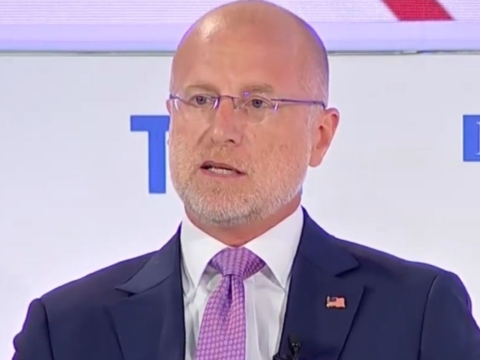
New leaders in the Legislature say the numbers are troubling. Democratic Assemblymember John Harabedian, the new chair of the Legislature’s audit committee, described the findings as a wake-up call.
Harabedian said lawmakers have a chance to address long-standing problems. A large group of new legislators joined the Capitol this year, and California will soon have new statewide leadership. Republican Senate Minority Leader Brian Jones also called the statistics alarming. He said the state’s audit system works because it is nonpartisan. Auditors review problems without political bias.
“When the auditor takes an issue up, they approach it without bias,” Jones said.
The investigation also found that lawmakers sometimes tried to act on audit findings but failed to pass legislation. More than 60 bills tied to audit recommendations were drafted or introduced over the years. Many died during the legislative process.
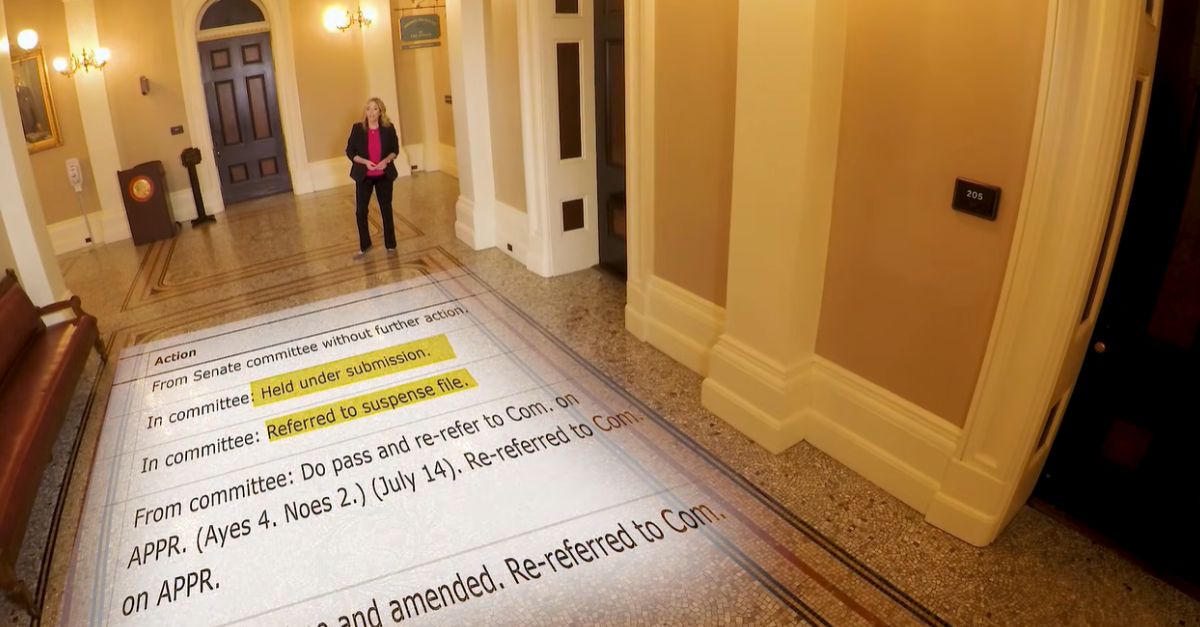
Some bills stalled because of internal political disagreements. Others faced pushback from state agencies. In several cases, legislative committees quietly held the bills without a public vote. Lawmakers often place such proposals in the “suspense file,” which signals that legislative leaders may not support the measure.
Even when bills passed the Legislature, some still failed to become law. At least a dozen audit-related bills reached the desk of California Gov. Gavin Newsom but ended with vetoes. In several veto messages, Newsom said the proposed oversight changes were unnecessary or too costly.
For years, former California State Auditor Elaine Howle published annual reports that tracked unresolved recommendations aimed at the Legislature. Those reports created a central checklist of unfinished reforms. They identified which committees held responsibility for each issue and tracked related bills as they moved through the legislative process. The reports stopped in 2022 after Howle retired.
Newsom later appointed Grant Parks as the new state auditor. Since then, the office has not produced the special reports that tracked legislative recommendations. The auditor’s office said it ended the reports to focus resources on core audit work and improve audit timelines.
A spokesperson said the office also upgraded its website in 2024. The updated site allows users to search recommendations by topic, agency, and year. However, the website does not include a dedicated search category for recommendations directed at lawmakers. As a result, users must manually review many individual audit reports to locate those proposals.
To address that gap, CBS News California created a public database called the Legislative Audit Accountability Tracker. The project compiles a decade of legislative audit recommendations and tracks how lawmakers handled them. The database records whether lawmakers introduced bills, allowed them to stall, passed them, or faced vetoes.
Nearly half of the California State Legislature consists of new members this session. Many unresolved recommendations date back to years before current lawmakers took office. Jones said lawmakers must help new members understand the importance of state audits and act on their findings.
“When these reports come back to the Legislature, it’s our job to legislate intelligently,” he said.
Harabedian said he plans to work with lawmakers from both parties to reduce the backlog of unresolved reforms.
He hopes lawmakers will address some recommendations this year and continue tackling others in the coming sessions. For years, auditors outlined problems and offered solutions. Now lawmakers say they want to turn those findings into action.