KATHMANDU, Nepal (Diya TV) — A new political force in Nepal appears headed for a historic election victory. The Rastriya Swatantra Party, led by rapper-turned-politician Balendra Shah, has taken a commanding lead in the country’s first parliamentary election since youth-led protests toppled the previous government. Early results from Nepal’s Election Commission show the party dominating the vote. Analysts say the outcome could reshape the nation’s political landscape after decades of rule by traditional parties.
The Rastriya Swatantra Party, often called RSP, has already secured 117 of the 165 directly elected seats in Nepal’s House of Representatives. The party also leads in eight additional constituencies as vote counting continues.
Other parties and independent candidates have won only 36 seats so far. Officials expect final results later this week. Nepal’s lower house has 275 seats in total. Voters directly elect 165 lawmakers. The remaining 110 seats come from a proportional representation system. Under this system, parties receive seats based on their overall share of the national vote.
Early counts show RSP also leading in the proportional vote. The party holds about 51% of that tally. If the trend holds, the party will easily pass the threshold needed to form a government. A party must control more than half the seats in the lower chamber to form a government in Nepal.
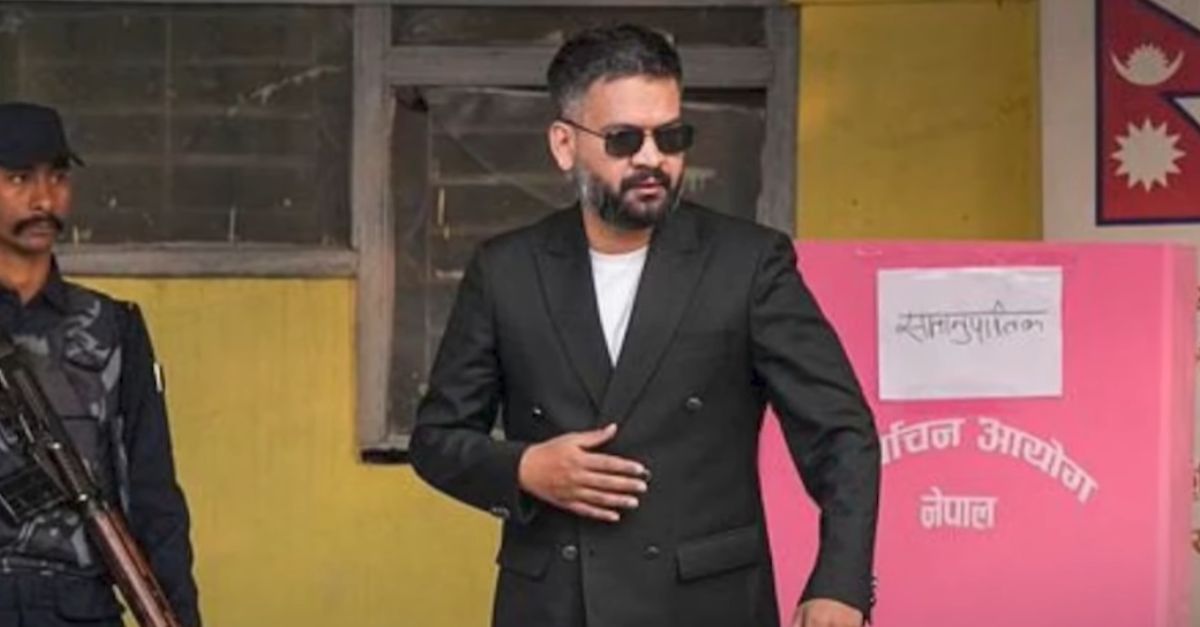
Balendra Shah, the party’s prime ministerial candidate, has emerged as the face of the political movement. Shah first gained national attention when he won the 2022 mayoral race in Kathmandu as an independent candidate.
Before entering politics, Shah built a career as a rapper. His music often focused on social issues and government corruption. His outspoken style helped him connect with younger voters. Shah later became a key figure during the 2025 youth-led uprising that forced Prime Minister Khadga Prasad Oli from power. The protests began as a reaction to a government ban on social media. They soon expanded into a wider movement against corruption and poor governance.
The demonstrations turned violent in several areas. Protesters attacked government buildings, and security forces opened fire. Dozens of people died, and hundreds suffered injuries. The uprising ultimately forced the government to step down and opened the door for early parliamentary elections.
For decades, Nepal’s political scene has been dominated by two major parties: the Nepali Congress and the Communist Party of Nepal (Unified Marxist–Leninist). These groups alternated in power for many years. Many voters, especially younger citizens, grew frustrated with corruption scandals and slow economic progress.
The strong performance of RSP signals a dramatic shift. Local newspapers called the election result historic. The Himalayan Times described it as a landslide victory in progress. Annapurna Post called it a “ballot revolt” by the public.
Supporters have celebrated in many constituencies. They greeted winning candidates with flower garlands, scarves, and traditional red vermilion powd, er. Despite the excitement, party leaders have urged supporters to avoid large victory rallies. They want to show respect for the people who died during last year’s protests.
RSP leaders say the party will focus on development and good governance if it forms the next government. Party volunteer Khagendra Chapagain said Shah has promised a strong reform agenda. He said the leadership will not compromise on efforts to improve the country.
“Our first agenda is to develop the nation,” Chapagain said at the party headquarters in Kathmandu. “We will focus on health care, education,n and the fight against corruption.,
Many voters say these issues drove their support for the new party.
Political analysts caution that winning an election is only the first step. Governing Nepal will bring serious challenges. Keshab Prasad Poudel, an independent political analyst, said public expectations remain very high. He warned that the new party may struggle to meet them.
“The challenge will be delivering real change,” Poudel said. “The party has limited resources and limited institutional support. High expectations do not always match what a government can achieve.”
Nepal faces economic pressure, rising youth unemployment, and ongoing infrastructure needs. Any new government must address these issues quickly. Even so, the election marks a turning point in the country’s politics. Many observers say the results reflect a powerful message from voters. Young citizens, in particular, appear ready for a new generation of leadership.