WASHINGTON (Diya TV) — Newly released emails from the House Committee on Education and the Workforce show that Qatar pressed American universities in Doha to align their communications after the Oct. 7, 2023, attack by Hamas. The documents raise fresh concerns about foreign influence on U.S. higher education and campus speech.
The emails are part of a congressional report titled “How Campuses Became Hotbeds: The Rise of Radical Antisemitism on College Campuses.” The report outlines how the Qatar Foundation urged American universities to coordinate messaging during the crisis. On Oct. 17, 2023, officials from the foundation held a call with representatives from U.S. universities operating in Doha. According to an internal email from Northwestern University’s Qatar campus, a senior official requested “information sharing and no surprises.”
The message also stressed that each university’s communications team should remain “aligned and in touch” with the foundation. The request came just days after the attack that triggered global outrage and widespread condemnation.
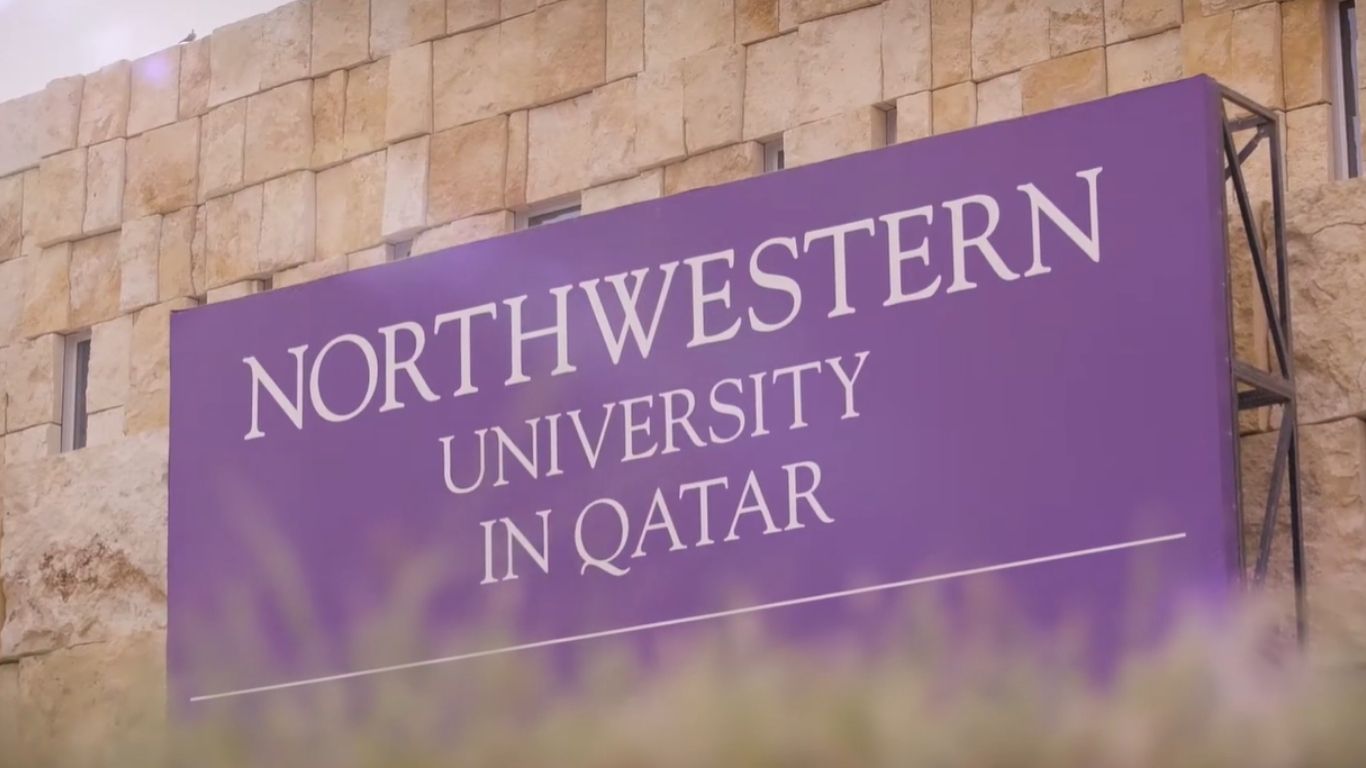
The pressure appeared to influence leadership at Northwestern University’s Qatar campus, known as NU-Q. Hours after the call, campus dean Marwan Michael Kraidy declined to support a statement from the university’s U.S. leadership. The statement criticized NU-Q professor Khaled Al-Hroub for comments made in a media interview. In that interview, Al-Hroub questioned reports that Hamas fighters killed Israeli civilians and committed acts of sexual violence.
Kraidy expressed hesitation in an internal email. He wrote that the university should avoid taking a position without full certainty. He urged caution, citing the need to stay “on the right side of the facts.”
After the university released a statement condemning the professor’s remarks, Kraidy defended them as “perfectly academic.” Northwestern later revised its statement to soften its language.
The report also highlights broader tensions between the main campus and NU-Q. According to congressional findings, the Qatar campus chose not to share an earlier Oct. 13 statement with students. That statement described the attack as “abhorrent and horrific.”
These actions suggest a pattern of selective communication during a sensitive period. University officials have said they are reviewing the congressional report.
The report points to Qatar’s growing financial role in U.S. higher education. The Gulf nation has become one of the largest foreign donors to American universities. According to federal disclosures, Qatar provided $396 million to U.S. colleges in 2024 and $1.2 billion in 2025. Much of this funding supports branch campuses in Doha’s Education City.
Several major institutions operate there, including Georgetown University, Cornell University, and Carnegie Mellon University. Contracts with Qatar require these universities to follow local laws and respect cultural norms. Qatar’s legal system restricts criticism of the government and limits certain types of speech, including online content.
Despite claims that the financial benefits are limited, the report suggests otherwise. It states that universities receive significant management fees under their agreements. For example, Georgetown’s annual fee increased from about $6.1 million in 2019 to $7.6 million in 2025. Northwestern also receives funding, including a $15 million endowment for faculty positions at its U.S. campus.
Critics argue that such financial ties may influence academic decisions and public statements. They warn that reliance on foreign funding could affect institutional independence.
The report also raises concerns about faculty statements and campus climate. It cites instances where faculty members made controversial remarks about Jewish communities and global politics.
At NU-Q, a program director allegedly suggested that Jews control European policy. At Georgetown’s Qatar campus, a visiting fellow taught a course that described antisemitism in the U.S. as exaggerated and framed the Oct. 7 attack as a resistance effort. Lawmakers say these examples reflect broader issues on some campuses. They argue that universities must address concerns about bias and ensure balanced academic discourse.
Northwestern has launched a multi-year review to decide whether it will continue operating in Qatar after 2028. University leaders say they will evaluate academic freedom, partnerships, and long-term goals.
Meanwhile, Georgetown’s leadership has expressed support for its Qatar program. University officials have said they remain proud of the partnership. The congressional report adds new urgency to the debate over foreign funding and free speech in higher education. As scrutiny grows, universities may face increasing pressure to balance global partnerships with core academic values.