KARACHI, Pakistan (Diya TV) — An American man helped free a Pakistani Christian family from nearly 130 years of bonded labor after paying off a debt that trapped generations of relatives in slavery-like conditions at a brick kiln factory in Pakistan’s Punjab province.
Aaron Hutchings, a U.S. citizen working with Project Jubilee, paid the family’s ancestral debt and helped secure their release from the exploitative system. The effort has drawn attention to the long-running issue of bonded labor in Pakistan, where poor minority families often face debt bondage and forced labor. Human rights groups say many Christian and Hindu families remain trapped in Pakistan’s brick kiln industry. Employers often use advance loans, known locally as “peshki,” to force workers into endless cycles of debt. Families inherit those debts across generations, making escape nearly impossible.
The freed family had reportedly worked at the same brick kiln for decades. Their debt passed from parents to children over several generations. Each new loan added more financial pressure. Workers often earned too little to repay what they owed. Bonded labor remains a major problem in parts of Pakistan, especially in rural Punjab. Brick kiln owners commonly recruit poor families with promises of money or work. Once families accept loans, owners use threats, intimidation, and manipulated accounting to keep them tied to the kiln.
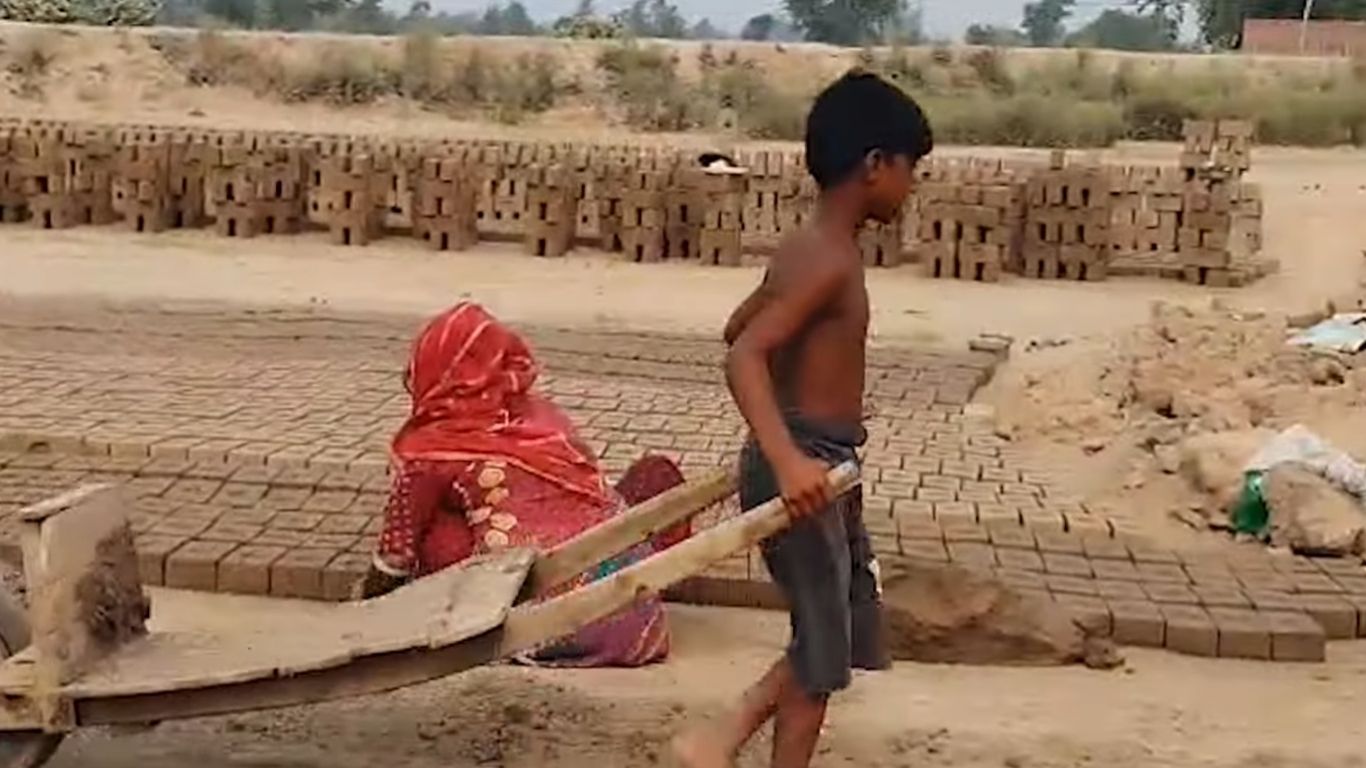
Many workers live in harsh conditions. Families spend long hours making bricks by hand under extreme heat. Children often join the labor force because families need extra income to survive. Rights advocates say religious minorities face even greater risks. Christians and Hindus remain heavily overrepresented in the brick kiln workforce. Many lack access to education, stable jobs, and legal protection. Poverty and discrimination leave them vulnerable to exploitation.
Project Jubilee, the organization involved in the rescue effort, focuses on freeing enslaved Christian and minority families across South Asia. The group works to pay off debts, relocate families, and help children enter school. Supporters say the organization also helps families transition into safer living conditions after their release. Many former bonded laborers struggle to rebuild their lives because they leave the kilns with no savings, education, or job opportunities.
Hutchings’ involvement gained attention online after reports highlighted the family’s decades-long struggle. Supporters praised the effort as a rare example of direct intervention against generational slavery. Human rights experts say individual rescues can change lives, but broader reforms remain necessary. Pakistan officially outlawed bonded labor decades ago, yet enforcement remains weak in many areas. Local activists often accuse authorities of failing to protect vulnerable workers.
Christian families in Pakistan frequently face social and economic marginalization. Many work in low-paying jobs and struggle to access quality education and healthcare. Rights groups say discrimination limits opportunities and increases dependence on exploitative employers. Brick kilns continue to rely heavily on vulnerable laborers. Workers often cannot leave because owners control housing, wages, and debt records. Some families also fear violence or retaliation if they attempt to escape.
Activists have repeatedly called on Pakistani authorities to strengthen labor laws and improve oversight of brick kiln operations. They also urge the government to expand education and economic opportunities for minority communities. International human rights organizations have long documented cases of forced labor and debt bondage in South Asia. Similar systems exist in parts of India, Nepal, and Bangladesh, where poor families borrow money for emergencies and later become trapped in exploitative work arrangements.
For the rescued Pakistani family, freedom marks the start of a new chapter after generations spent in forced labor. Project Jubilee said the goal now is to help the family build a stable future through housing, education, and employment support. Advocates say stories like this highlight both the cruelty of bonded labor and the importance of continued global attention. While one family escaped slavery, many others remain trapped in brick kilns across Pakistan.
Human rights groups continue to push for stronger enforcement, greater accountability, and long-term solutions to end generational bonded labor. They say real change will require both government action and sustained public awareness. The rescue has sparked renewed discussion about modern slavery, religious discrimination,n and poverty in Pakistan. For many activists, it also serves as a reminder that freedom remains out of reach for countless vulnerable families around the world.