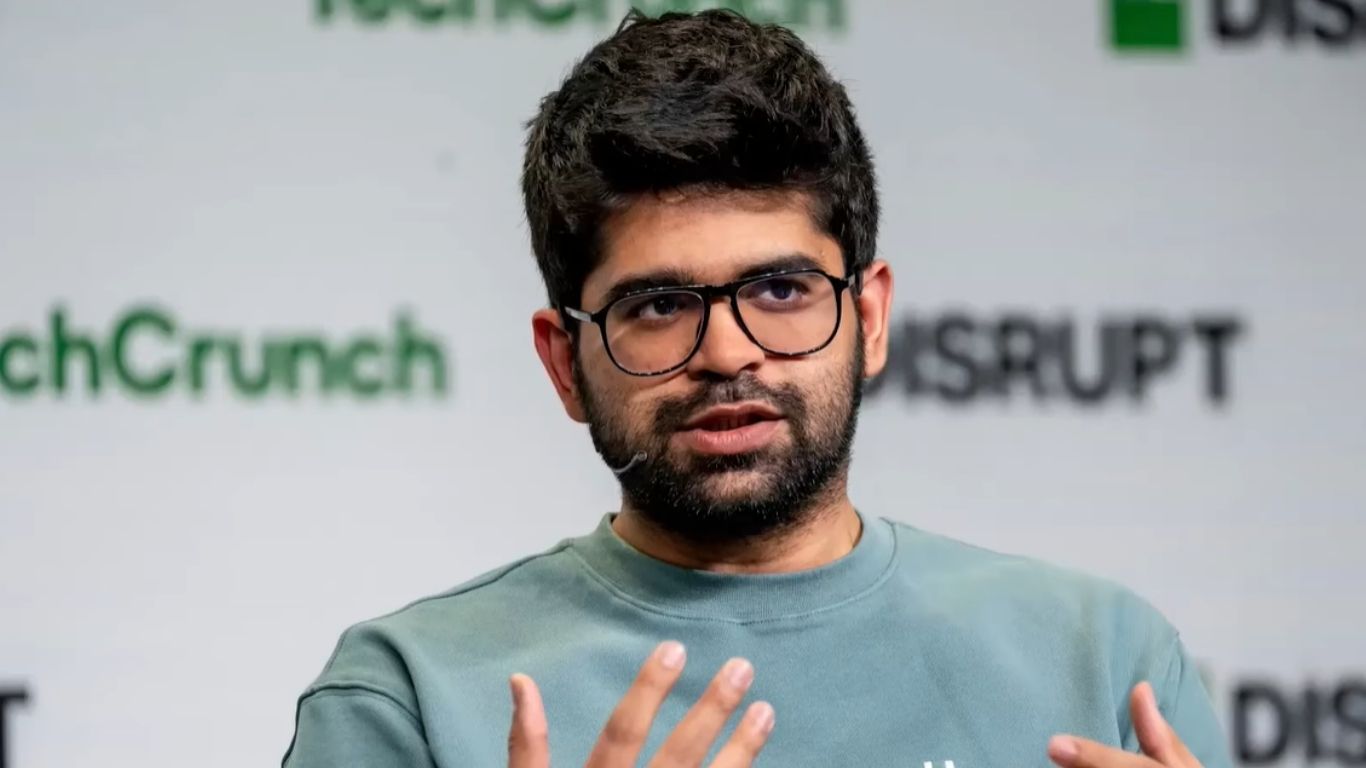
SAN FRANCISCO (Diya TV) — Aravind Srinivas, CEO of Perplexity AI, is facing growing backlash after comments about artificial intelligence and job loss sparked debate across the tech industry. His remarks, made on the All-In Podcast, come at a time when layoffs linked to AI adoption continue to rise worldwide.
Srinivas said many people do not enjoy their jobs and should accept the possibility of being replaced by AI. He described the shift as an opportunity rather than a threat. He said new tools allow individuals to build small businesses and create new income streams. He also called the long-term outlook a “glorious future,” even if workers face short-term disruption.
Critics quickly pushed back. Many argued that the comments ignore the real struggles of workers losing stable jobs. Others said the statement reflects a growing disconnect between tech leaders and the workforce.
A spokesperson for Perplexity AI responded to the criticism in a statement to The New York Post. The company pointed to a rise in entrepreneurship since its launch in December 2022. The spokesperson said Americans have filed 16 million new business applications during that period. The company argued that new technologies often create opportunities alongside disruption.
Industry leaders have made similar claims in recent years. They say AI can boost productivity, lower costs, and open new markets. However, critics say these benefits do not always reach displaced workers.
The debate comes as job cuts tied to AI continue to grow. Data from TrueUp shows that about 85,000 tech jobs have been cut globally in 2026 due to automation and AI adoption. Companies are not only cutting costs. They are also redesigning their operations around AI tools. These systems now handle routine tasks such as coding, customer support, and data analysis.
Several major firms have announced layoffs in recent months. Block Inc. cut 4,000 jobs. WiseTech Global reduced 2,000 roles. Pinterest cut 15% of its workforce, while eBay laid off 800 employees. Tech giants continue to restructure as well. Amazon, Met, and Atlassian have all reduced staff. Oracle recently cut more than 20,000 jobs.
Young professionals face the greatest impact. Entry-level roles often involve repetitive tasks, which AI can now perform quickly and at lower cost. Recent graduates face an unemployment rate of 5.7%. Underemployment has reached 42.5% by the end of 2025. Many new workers struggle to find stable roles that match their skills.
Experts say this shift could reshape career paths. Companies may hire fewer junior employees and focus on experienced workers who can manage AI systems.
The rapid rise of AI has created both excitement and concern. Supporters believe it will unlock innovation and economic growth. Critics warn it could widen inequality and reduce job security.
Srinivas urged workers to adapt by learning new tools and exploring entrepreneurship. He said individuals can use AI to build “mini businesses” and create value in new ways. Still, many workers remain skeptical. They worry about income stability, skill gaps, and limited access to new opportunities.