WASHINGTON (Diya TV) — Pakistan’s relationship with President Donald Trump shifted dramatically this year. The country moved from tense exchanges to major trade wins and rare high-level access. Newly filed lobbying records, paired with a fast-moving diplomatic push, reveal how Islamabad spent millions of dollars to reshape its standing in Washington.
Pakistan signed a series of expensive lobbying contracts in April and May. The agreements totaled nearly $5 million in planned fees. They involved several firms with close ties to Trump, including his former business partners and longtime bodyguard, Keith Schiller. The deals came as Pakistan sought lower tariffs, stronger defense ties, and direct access to the White House.
The contracts arrived at a critical moment. The Trump administration was raising tariffs on countries across the world. Pakistan also stood on the brink of conflict with India after a deadly attack in Kashmir. Islamabad acted quickly, hiring six Washington firms and launching an aggressive influence campaign.
In early April, Trump imposed a 29% tariff on Pakistani goods. Six days later, Pakistan hired Seiden Law LLP, which subcontracted Javelin Advisors. Javelin’s founders include Schiller and George Sorial, a longtime Trump Organization executive. The contract promised meetings to “enhance leadership-level engagements at the White House.”
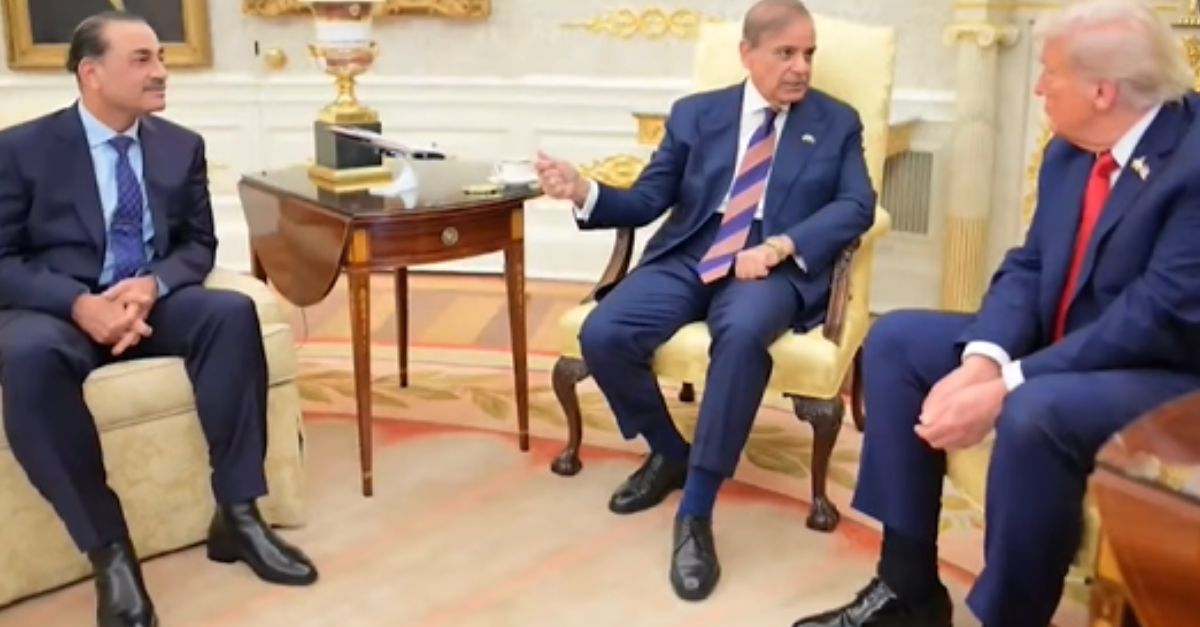
On April 24, Pakistan signed another deal with Javelin. Weeks later, Field Marshal Syed Asim Munir, Pakistan’s most powerful military leader, traveled to Washington. He met with Javelin officials. The next day, he had a private lunch with Trump at the White House. No Pakistani army chief had previously met a U.S. president alone at the White House.
By August, Trump began praising Pakistan publicly. He called Munir his “favorite field marshal” and said Pakistan’s help on Middle East diplomacy was “incredible.” This was a sharp reversal from Trump’s earlier claim that Pakistan offered “nothing but lies and deceit.”
Pakistan also hired Orchid Advisors, which subcontracted with Squire Patton Boggs. That contract focused on tariffs, economic cooperation, and resetting bilateral relations. Squire has employed former Trump officials, including a past economic adviser and defense secretary.
Four months after the contract was signed, Trump cut Pakistan’s tariff rate to 19%. India, meanwhile, saw its rate raised to 50%. Trump grew frustrated with India for continuing to buy Russian oil. The shift gave Pakistan one of the most favorable tariff rates among Asian economies. It also created an economic edge over India, its regional rival.
Pakistan supported Trump’s claim that he helped end a military dispute between India and Pakistan in May. It also nominated Trump for a Nobel Peace Prize. India rejected both moves. Islamabad pitched a $500 million mineral extraction deal to the United States and opened its markets to American farm goods. These efforts added to its favorable standing with the administration.
Experts say lobbying alone did not drive the shift. But the timing raised questions. Pakistan hired lobbyists as its diplomatic fortunes improved. Soon after, it received the tariff cuts and rare access to Trump.
Michael Kugelman, a South Asia analyst, said the sequence “connects itself.” He noted that Pakistan hired lobbyists to push tariff issues and economic cooperation, then saw progress in both areas.
India also increased its lobbying. It hired firms linked to top Trump advisers, including SHW Partners and Mercury Public Affairs. But it spent far less than Pakistan during the crucial period in April and May. India’s efforts picked up later in the summer, after Pakistan’s gains became clear.
The Trump administration eased restrictions on foreign lobbying at the same time Pakistan expanded its campaign. Attorney General Pam Bondi shut down the Justice Department’s Foreign Influence Task Force and narrowed enforcement of the Foreign Agents Registration Act. The timing eased pressure on lobbyists representing foreign governments.
Pakistan’s aggressive push, paired with its diplomatic courtship of Trump, turned a strained relationship into a favorable one. Its rapid shift highlights how foreign governments can blend lobbying, public praise, and strategic deals to influence U.S. policy.