
HOUSTON, Texas (Diya TV) — Pakistan’s sudden rise as a key diplomatic broker in U.S- Iran tensions did not happen overnight. It followed years of quiet lobbying, strategic messaging and backchannel diplomacy led by a Texas-based firm with deep ties to Washington. At the center of this effort is Stephen Payne, head of Linden Strategies. His firm has worked behind the scenes for decades to reshape Pakistan’s image in the United States and open doors at the highest levels of power.
Pakistan’s growing role in mediating Iran-related tensions has drawn global attention. As talks between Iran and the United States began in Islamabad in April, many Pakistanis celebrated online, sharing messages about peace and diplomacy.
This moment reflects years of planning. Payne’s firm helped create access that culminated in a rare 2025 meeting between Pakistan’s army chief Asim Munir and U.S. President Donald Trump. The one-on-one Oval Office meeting signaled a powerful communication channel between Islamabad and Washington. The meeting also highlighted Pakistan’s unique power structure. While Shehbaz Sharif remained prime minister, the military maintained direct influence in foreign policy.
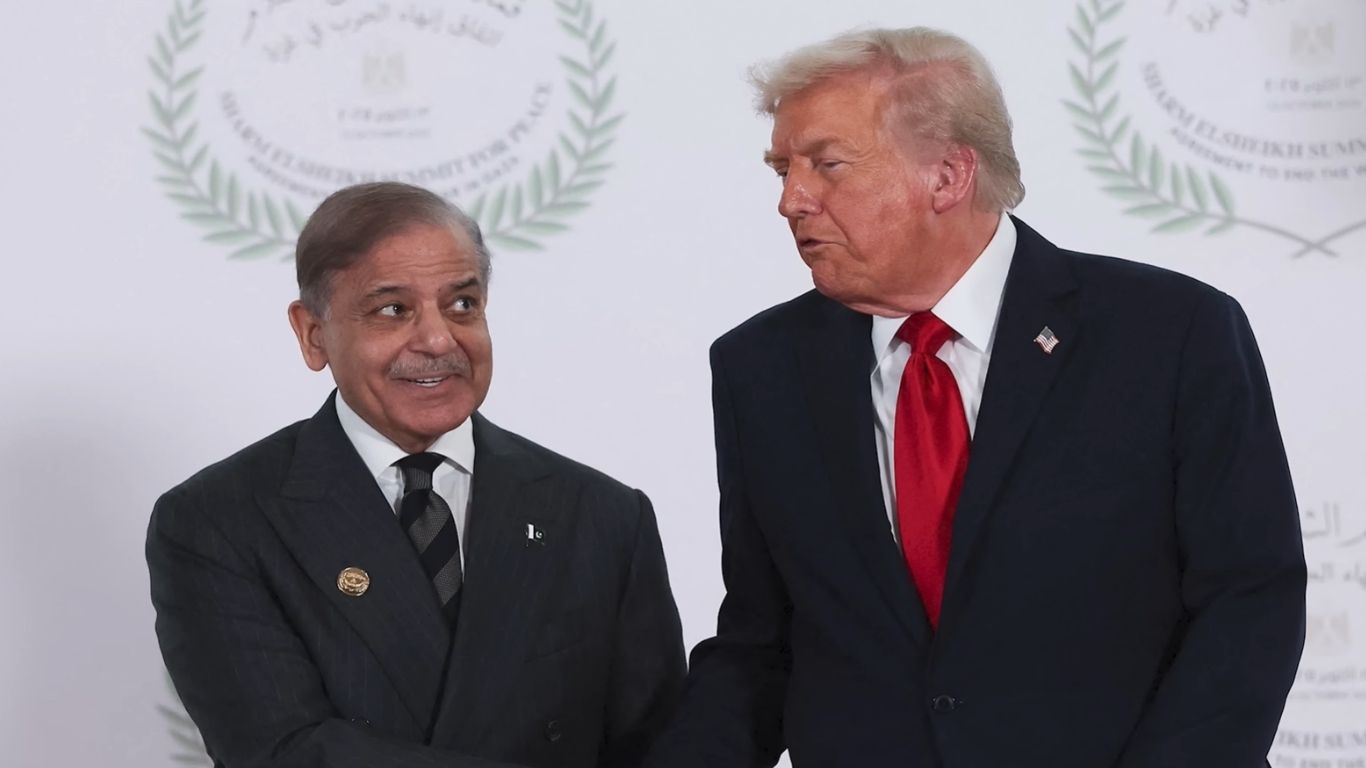
Payne’s influence goes beyond arranging meetings. He reportedly advised Pakistan to nominate Trump for the Nobel Peace Prize, a move seen as strategic diplomacy. His firm also helped shape messaging on key issues like Afghanistan and emerging technologies. This approach has started to deliver results. Since early 2025, Trump has repeatedly praised Pakistan’s diplomatic efforts. Sharif also gained attention at the Antalya Diplomacy Forum, where Pakistan’s role in global negotiations drew interest. Pakistan now sits at the center of efforts to ease tensions involving Iran. Analysts say its ability to communicate with both Washington and Beijing gives it a unique advantage.
The relationship between Pakistan and Linden Strategies dates back to 2001. Payne began working with then-President Pervez Musharraf just before the Sept. 11 attacks reshaped global politics. That early connection proved critical. Payne helped facilitate talks that led to a $3 billion U.S. aid package. He also played a role in lifting sanctions and securing Pakistan’s designation as a Major Non-NATO Ally in 2004. Musharraf later praised Payne’s role in strengthening ties during a difficult period.
One notable moment came in late 2001, when tensions between India and Pakistan escalated. Musharraf used Payne as a direct channel to the White House to deliver urgent warnings. The message reached U.S. leadership quickly, showing the value of informal diplomacy.
Despite these successes, Pakistan has long struggled with its image in the U.S. Polls show low favorability ratings in both countries. Many Americans view Pakistan negatively, while few Pakistanis see the U.S. as a trusted partner. Experts say this makes lobbying efforts more difficult. Compared to India, Pakistan has historically spent less on influence campaigns in Washington.
Still, Payne’s firm has worked to change that narrative. In 2020, it helped Pakistan avoid being blacklisted by the Financial Action Task Force. The effort removed compliance issues and stabilized the country’s financial standing.
Momentum increased in 2024 when Team Eagle Consulting partnered with the Islamabad Policy Research Institute. The agreement focused on economic recovery, global advocacy, and maintaining financial credibility. Reports suggest the firm also helped Pakistan counter lobbying efforts by India and secure support for key international initiatives. This groundwork helped position Pakistan as a neutral platform for sensitive negotiations. Analysts say its ties with both the U.S. and China make it an attractive mediator.
As Iran-U.S. tensions continue, Pakistan’s role as a facilitator faces its biggest test yet. Success could cement its place as a global diplomatic player. Failure could expose the limits of backchannel influence. For now, Pakistan has secured a central seat at the negotiating table. Its rise shows how modern geopolitics often depends not just on governments, but also on private actors working quietly behind the scenes. The outcome of these efforts may shape regional stability for years to come.


