
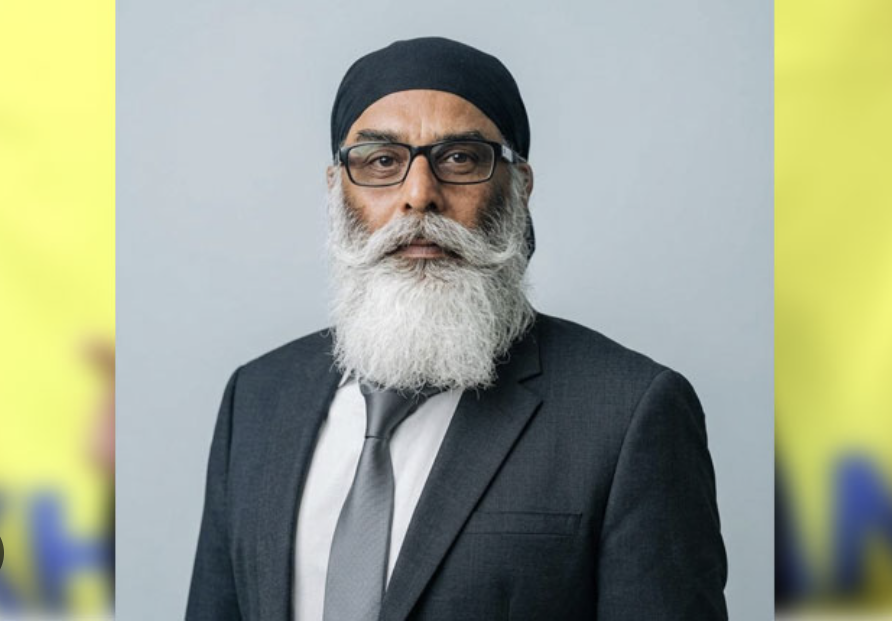
WASHINGTON (Diya TV) — The U.S. State Department has delivered court papers in Sikh activist Gurpatwant Singh Pannun’s civil lawsuit to the Indian Embassy in Washington, according to a filing in federal court. India rejected the allegations Tuesday, calling them “fabricated and malicious” and saying requests to serve legal documents in India must go through its Ministry of Law and Justice.
The State Department told the U.S. District Court for the Southern District of New York that it sent the summons, complaint and notice of suit under a diplomatic note signed Sept. 30 and delivered to the embassy on Oct. 9. The department filed its letter with the court on Oct. 28. It said federal law required it to transmit the papers but stressed that the act did not endorse Pannun’s claims or determine whether service satisfied legal requirements.
The department also said it was taking no position on the lawsuit’s merits, the defendants’ status or any defenses they might raise. The U.S. government is not a party to the case and cannot represent either side. The court will have to address questions about the legal effect of the delivery.
Pannun filed the civil case in 2024, alleging that Indian officials and others took part in a 2023 conspiracy to kill him in New York. The complaint names the Government of India, National Security Adviser Ajit Doval, former Research and Analysis Wing chief Samant Goel, Nikhil Gupta and others. The allegations against the Indian government and officials remain unproven in the civil case.
India’s response also addressed a separate court action involving Doval and Goel. On Nov. 9, U.S. District Judge Katherine Polk Failla allowed Pannun to pursue serving the two men through courts in Delhi under the Hague Convention. The order did not establish that either official had received the papers. It directed Pannun to submit a proposed service packet by Nov. 30; the court clerk can transmit the documents only after the judge approves them.
Pannun’s lawyers had tried other routes. Court filings describe unsuccessful efforts to serve Doval during his February 2025 visit to Washington, when security personnel blocked process servers. The lawyers also tried to route papers through India’s central authority for international service. The judge’s latest order permits a different route through Indian courts, while India says service requests in the country must pass through its designated central authority.
The State Department’s delivery to the embassy and the judge’s order concerning Doval and Goel represent separate procedural steps. Neither resolves whether the court can hear the claims, whether the papers have been legally served on each defendant or whether the allegations are true. The Indian government can contest the case, including by raising jurisdictional or immunity defenses.
The civil lawsuit stems from a separate U.S. criminal case. Indian national Nikhil Gupta pleaded guilty in February to murder-for-hire, conspiracy to commit murder-for-hire and conspiracy to commit money laundering. Prosecutors accused Gupta of working with Vikash Yadav, whom they described as an Indian government employee, in a plot against a U.S. citizen in New York. Gupta’s plea applies to his criminal case; it does not establish the civil claims against India, Doval or Goel.
Pannun is a U.S. citizen and a leader of Sikhs for Justice, which advocates for an independent Sikh state called Khalistan. India has designated him a terrorist and banned the organization. Those designations form part of the political context surrounding the case, but they do not decide the civil claims before the U.S. court.
The next step in the process is Pannun’s Nov. 30 filing on service through Delhi courts. Until the court reviews that packet and the defendants have an opportunity to respond, the case remains focused on procedure as well as the underlying allegations.


