QUETTA, Pakistan (Diya TV) — A viral video showing a couple being brutally executed in an “honor” killing has shocked Pakistan and sparked nationwide outrage. The killings, which took place in the southwestern province of Balochistan, have led to the arrest of 13 suspects, including a tribal chief. The victims, Bano Bibi and Ihsanullah, were killed for marrying without their families’ approval.
The disturbing footage shows more than a dozen men dressed in traditional Pathani suits and turbans. They arrive in pickup trucks at a barren desert location outside Quetta, the provincial capital. Moments later, the group is seen pulling out automatic rifles and pistols. The couple is led out of a vehicle and into the open wilderness.
In the video, the woman is given a copy of the Qur’an. She addresses one of the men in Brahavi, a regional language, saying, “Come, walk seven steps with me; after that, you can shoot me.” The man follows her briefly. She adds, “You are allowed only to shoot me. Nothing more than that.”
She then turns away. The man raises his pistol and fires three close-range shots. The woman collapses. Soon after, more gunfire erupts, and the video shows a man, identified as Ihsanullah, lying bloodied near her body. The group continues to fire at the bodies, ensuring the couple is dead.
Following a public outcry and mounting pressure from civil rights groups, Balochistan Chief Minister Sarfraz Bugti announced the arrests. He confirmed that investigators had identified the people and location seen in the footage. Police launched multiple raids across the region to apprehend the suspects.
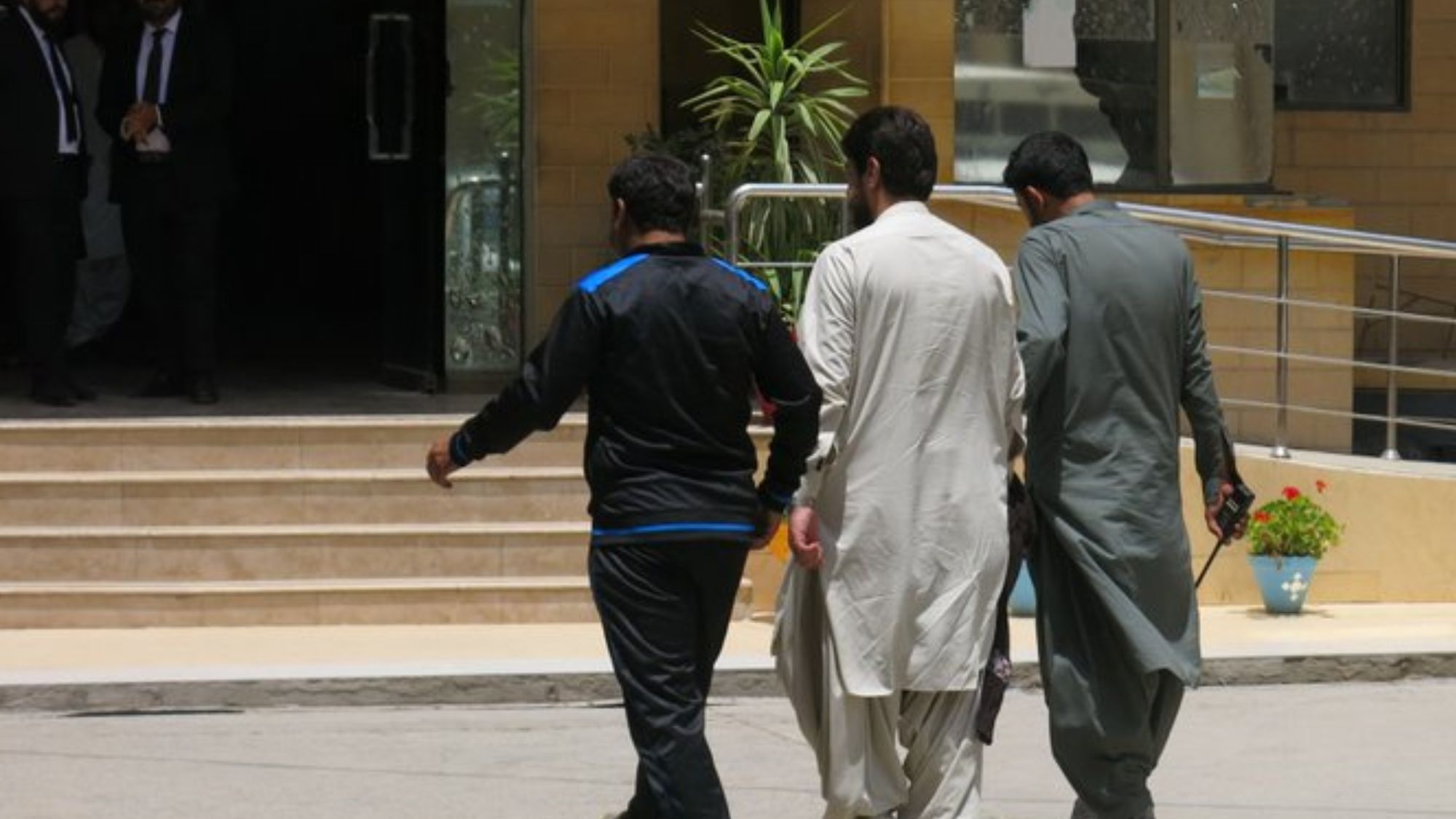
Among those arrested is tribal elder Sardar Sherbaz Satakzai. According to police, Satakzai ordered the killings after Bano Bibi’s brother complained she had married without his consent. The police are still searching for nine more suspects connected to the murder.
Honor killings remain a deep-rooted issue in Pakistan, especially in conservative and tribal regions. Families often justify such acts as a way to protect their reputation. Victims are usually women who defy traditional norms by choosing their partners.
The Human Rights Commission of Pakistan (HRCP) reported 405 honor killings in 2024. Activists believe the real number is much higher, as many cases go unreported. Balochistan alone has seen at least 32 such cases this year.
“These norms are guarded and practices perpetuated by the feudal and tribal chieftains to maintain their control over both their people and resources,” said Harris Khalique, HRCP’s secretary general. He added that many local chieftains enjoy political protection and are rarely held accountable.
In some regions, tribal councils, known as jirgas, still hold significant power. They often act outside the legal system and impose punishments that include death. In this case, the jirga labeled the couple’s relationship “illicit” and approved the execution.
Critics argue that the Pakistani state often fails to act against such tribal justice systems. In many instances, the state even supports the very leaders responsible for such violence by enabling their political power.
“The state not only protects these local chieftains but even facilitates their presence in Pakistani legislatures,” Khalique said. “This patronage must stop, and anyone responsible for such heinous crimes must be brought to book.”
The government has promised a full investigation. Authorities say they will not rest until all perpetrators are behind bars. However, civil society groups warn that unless structural changes occur, such crimes will continue.
Activists across Pakistan have renewed their calls for stronger laws and better enforcement against honor killings. They demand the dismantling of parallel justice systems like jirgas and an end to the culture of silence surrounding such crimes.
The Balochistan killings have become a grim reminder of the challenges Pakistan faces in protecting women’s rights. As the country reels from this horrific incident, many hope the outrage will lead to lasting reform.