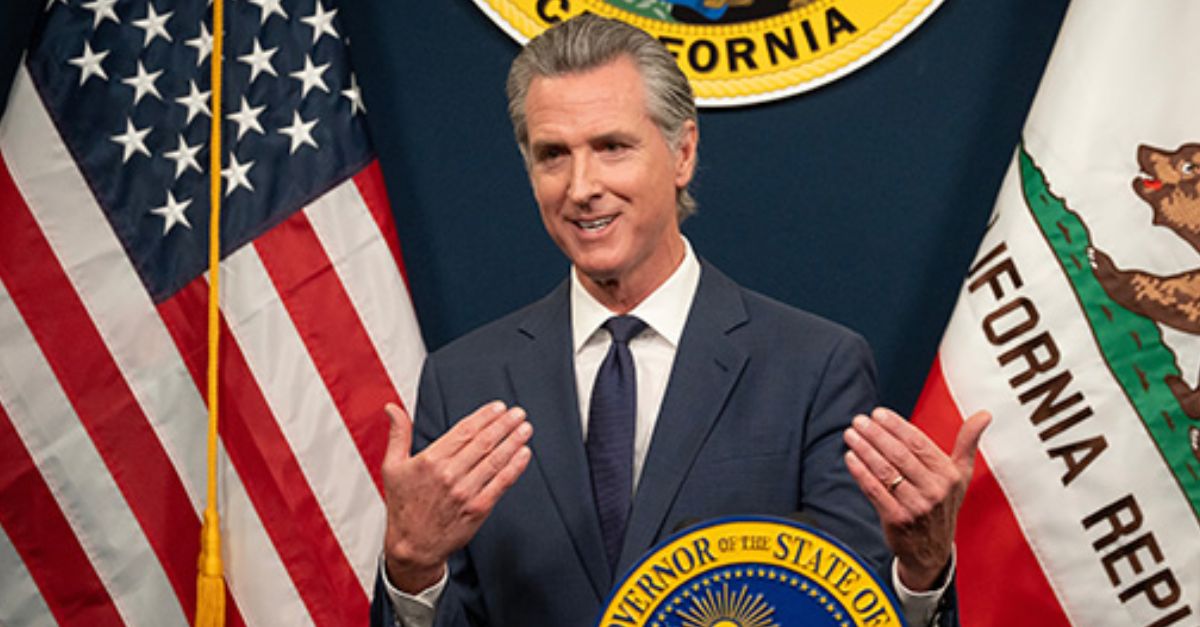
SACRAMENTO, Calif. (Diya TV) — California Gov. Gavin Newsom has stepped up his criticism of President Donald Trump. He condemned Trump’s trade and security policies as India, China, and Russia come closer together on the world stage.
Newsom mocked Trump’s approach in a post on X. He shared a video from the Shanghai Cooperation Organization summit in Tianjin, China, where Indian Prime Minister Narendra Modi held hands with Russian President Vladimir Putin while laughing with Chinese President Xi Jinping. This moment highlighted the growing partnership among these nations.
“But have no doubt, Xi openly criticized the ‘bullying behavior’ of the U.S.-led world order, especially during the ongoing tariff war and the 50 percent tariffs imposed on India,” Newsom wrote. He added that Trump’s policies “seem to have backfired with long-term foes, India and China, calling a truce and Modi referring to the two most populous countries as ‘partners, not rivals.’”
Newsom frequently mocks Trump on social media. His posts imitate the former president’s style with intentional misspellings, nicknames, and frequent use of capital letters. This latest criticism coincided with growing scrutiny of the White House regarding its handling of international trade.
At the summit, Modi stressed the need for cooperation with Beijing. He said that India and China should work together as partners instead of rivals. Xi echoed this sentiment, criticizing U.S. tariffs as disruptive. Putin, standing alongside both leaders, displayed unity with two of Washington’s major challengers.
Trump recently imposed one of the most severe tariff packages on India. His plan involved 25 percent in reciprocal duties and another 25 percent linked to New Delhi’s ongoing imports of Russian oil. This raised India’s overall tariff burden to 50 percent. However, Trump mostly left China unscathed, even though Beijing has become Russia’s top energy buyer.
The tariffs intensified the global debate over U.S. influence. Critics argue that Washington risks pushing traditional partners closer to rivals. Newsom seized on this idea, claiming that Trump’s actions weakened America’s standing while pushing others into new alliances.
“Instead of facing the reality of India, China, and Russia working together, Trump is still talking about sending in troops,” Newsom said. He suggested that the president should concentrate more on domestic issues than global challenges.
Trump’s difficulties in California add to the political drama. The state has resisted his agenda on various fronts, including climate and immigration. Federal courts recently dealt him another setback when a judge ruled his deployment of the National Guard in Los Angeles was unlawful. This decision challenged Trump’s claim of federal power over state issues.
Even as Trump ramped up his attacks on Democratic-led cities, like Chicago, Newsom argued that the president is misusing his energy. He stated that Trump’s focus on rhetorical battles and troop deployments distracts from the country’s declining influence abroad.
This clash reflects a deeper divide. Trump relies heavily on tariffs and threats to shape foreign policy, while critics believe such strategies alienate allies and embolden rivals. India’s readiness to align with China and Russia highlights the changing dynamics. For decades, Washington worked to keep those powers apart. Now, Newsom claims Trump has sped up their cooperation.
The SCO summit displayed how fast global alliances can evolve. India and China, despite a history of border tensions, emphasized the need for unity. Russia, isolated by sanctions over Ukraine, welcomed the show of support. Together, the three leaders presented an image of strength at a time when Washington faces growing doubts about its leadership.
Newsom’s sharp comments added a domestic political angle. His online criticisms keep him at the forefront of the national debate while reinforcing his image as one of Trump’s strongest opponents. As the international landscape shifts, the conflict between California’s governor and the president highlights the complexities of U.S. foreign and domestic policy.