AUSTIN, Texas (Diya TV) — Texas has passed a sweeping new law that bans certain foreign buyers from purchasing land in the state, raising questions about property ownership, national security, and civil rights. Effective September 1, Senate Bill 17 prohibits individuals and companies from China, Iran, North Korea, and Russia from buying land in Texas.
Supporters say the law protects critical infrastructure. Critics argue it risks discrimination and legal challenges.
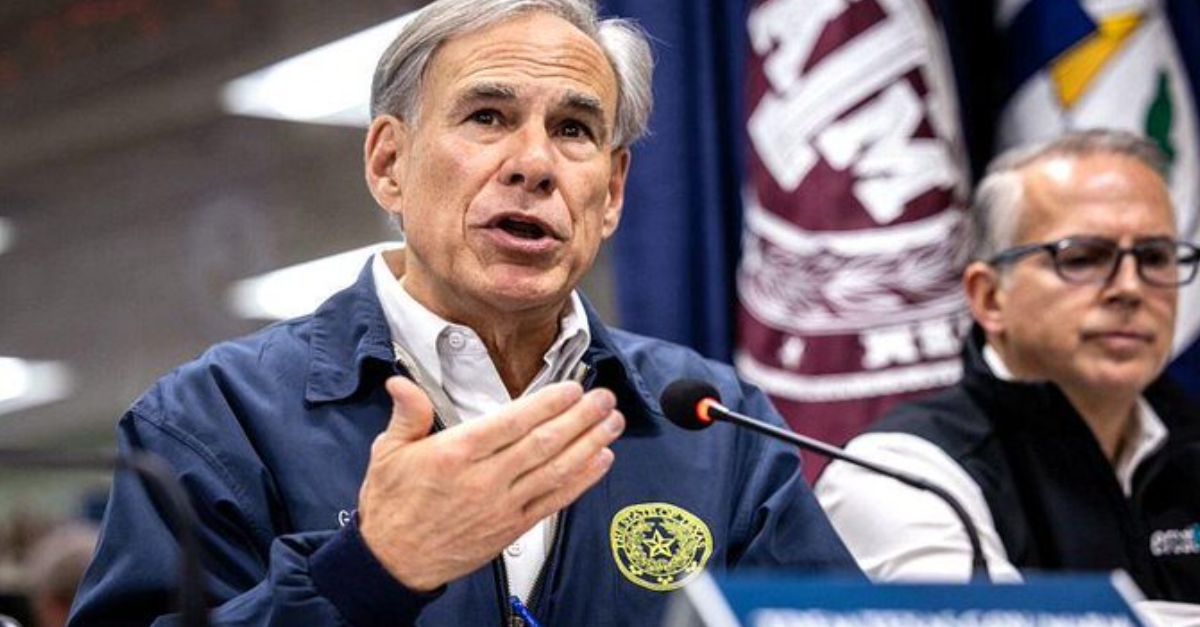
Governor Greg Abbott called the measure “essential to protecting Texas.” He said foreign adversaries like China, Russia, Iran, and North Korea, along with groups such as Tren de Aragua, should not own land in the state. Abbott warned that violators could face stiff criminal penalties.
“Allowing foreign control over land near critical sites puts Texas at risk,” Abbott said. The governor emphasized that the law will protect borders, infrastructure, and national security.
State Senator Lois Kolkhorst, who sponsored the bill, described SB17 as “the most comprehensive prohibition on adversarial control of land and natural resources in the U.S.” She said legal experts designed the law to withstand constitutional scrutiny.
The legislation followed public concern over a Chinese-linked company’s purchase of 140,000 acres near Laughlin Air Force Base in Val Verde County. Kolkhorst said lawmakers wanted to prevent similar acquisitions in the future.
Lieutenant Governor Dan Patrick called the law “common sense and good state policy.” He said public worries about foreign land purchases helped push the legislation forward. “Blocking adversaries from acquiring Texas property is a basic tenet of national security,” Patrick said.
Texas is the nation’s top homebuilder, issuing 15% of all U.S. housing permits in 2023. Builders are focusing on smaller, more affordable homes, but much of the market remains out of reach for low- and middle-income families. Critics say restricting foreign ownership does little to solve housing affordability.
Not everyone supports SB17. In July, the Chinese American Legal Defense Alliance sued on behalf of three Chinese visa holders, claiming the law violates the Constitution. A judge dismissed the case, siding with the state attorney general, who argued the plaintiffs would not be directly affected.
Civil rights groups warn the law may lead to racial profiling and discrimination. Sarah Cruz of the ACLU of Texas said, “S.B. 17 denies people meaningful access to housing and business opportunities.” Community activist Jason Yuan compared the law to the “Chinese Exclusion Act of 2025” and organized protests outside the state capitol.
Critics point out that Chinese nationals are the largest group affected, with over 120,000 living in Texas. They argue the law unfairly targets one community, even though the state claims national security is the main concern.
Texas is not alone in restricting foreign land ownership. Since 2021, 26 states, mostly led by Republicans, have enacted similar laws. Many target China specifically. Momentum for these laws grew after a Chinese surveillance balloon crossed North American airspace in 2023.
By passing SB17, Texas has linked property rights to national security, joining a broader movement across the United States. Advocates say the law shields critical sites and prevents foreign influence. Opponents say it could open the door to discrimination and constitutional battles.
As the law takes effect, Texans and foreign investors will face new rules on property ownership. Legal experts predict additional lawsuits may challenge the law. Meanwhile, the debate highlights tensions between national security, economic opportunity, and civil rights.
Texas lawmakers and officials say they are prioritizing safety and infrastructure. Critics urge leaders to focus on housing affordability, healthcare, and equal access to opportunities. The law’s impact will likely shape discussions about foreign investment and property rights for years to come.