NEW YORK (Diya TV) — Newly inaugurated New York City Mayor Zohran Mamdani has reversed course on one of his most debated education positions, saying he will no longer seek to end mayoral control of New York City’s public schools. The decision marks a major political shift as he prepares to take office and assume responsibility for the nation’s largest school system.
On Wednesday, Mamdani said he now supports extending mayoral control of New York City schools, a governance model that gives the mayor broad authority over education policy. He said the change reflects his belief that voters deserve clear accountability for public school outcomes.
“For New Yorkers to know where the buck stops, it has to stop with me,” Mamdani said. He added that while he disagreed with how outgoing Mayor Eric Adams used that power, he sees value in direct responsibility.
The State Legislature must renew mayoral control every two or four years. Mamdani said he will ask lawmakers this year to extend his authority over the school system.
During his campaign, Mamdani strongly opposed mayoral control. He argued it limited the voices of parents, teachers, and students. He repeated that view during the final mayoral debates and often called for a more community-driven model.
His reversal surprised some supporters who hoped he would overhaul school governance. Others, including veteran education leaders, welcomed the move. They had worried Mamdani might step back from school leadership during a period of major challenges. New York City’s model stands out nationally. Many large districts rely on elected school boards. In contrast, the city’s mayor appoints the school chancellor and shapes major policy decisions.
Mamdani promised a different approach to mayoral control. He said his administration will focus on meaningful community involvement, not symbolic gestures.
“My approach will make community input tangible and actionable,” he said. He did not outline specific mechanisms but stressed that families and educators would have a real voice.
Critics remain skeptical. Education advocate Leonie Haimson of Class Size Matters called the shift “very troubling.” She said past mayors made similar promises but failed to follow through.
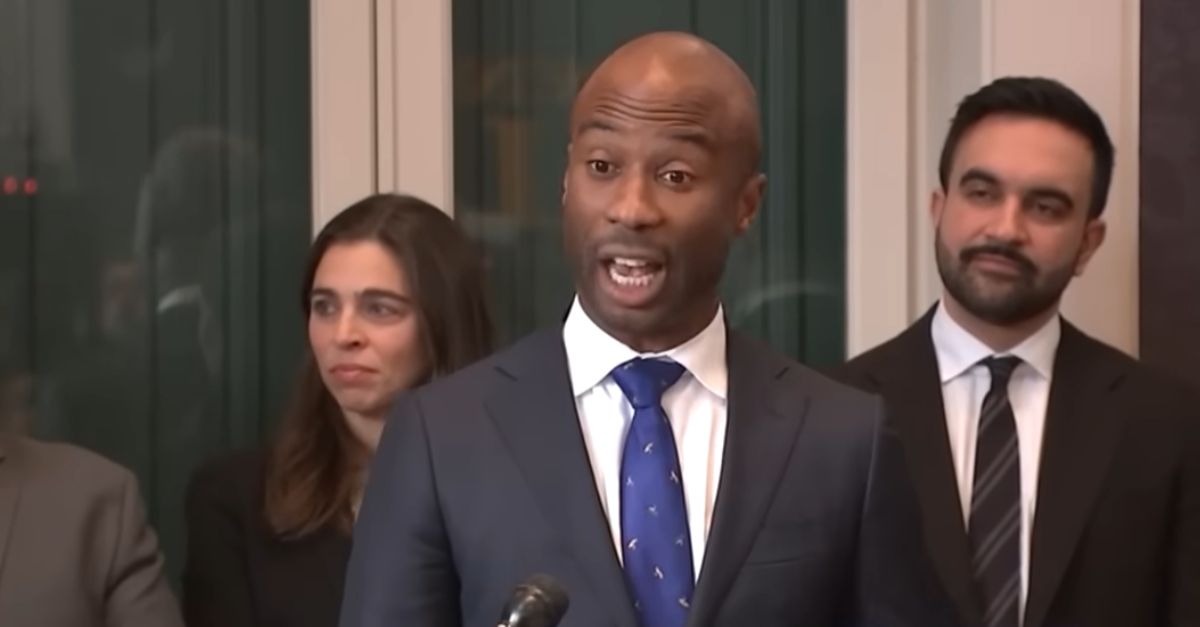
Mamdani announced the policy shift as he named Kamar Samuels as the next New York City schools chancellor. Samuels, 48, previously served as superintendent of an Upper Manhattan district. He will start on Thursday. The chancellor oversees more than 1,500 schools across the five boroughs and manages a $40 billion budget. The role ranks among the most powerful education jobs in the country.
“This moment demands a new generation of leadership,” Mamdani said. “Kamar understands the system and has a transformative vision.”
Samuels said he plans to expand access to rigorous academic programs and address student homelessness. He will work closely with Mamdani on shared priorities. Outgoing Chancellor Melissa Aviles-Ramos will remain for one month to help with the transition.
The new leadership team faces urgent issues. The city is in its third year of a major effort to improve how children learn to read. Student homelessness remains widespread. More than 150,000 students lacked stable housing last school year.
Chronic absenteeism also persists. About one in three students missed at least 10% of the school year. Education leaders say strong, consistent leadership will prove critical. State Sen. John C. Liu, who chairs the Senate education committee, said steady direction matters now more than ever. He cited growing threats to public education at the federal level.
Mayoral control has shaped New York City education since 2002, when Mayor Michael Bloomberg gained authority over the system. The model enabled swift changes, including school closures and curriculum reforms. Supporters say it allows clear leadership and faster action. Crystal McQueen-Taylor of StudentsFirstNY praised Mamdani’s decision, calling it essential for progress and accountability.
Opponents argue the system limits democratic input. Many families and teachers still question whether mayoral control best serves students.