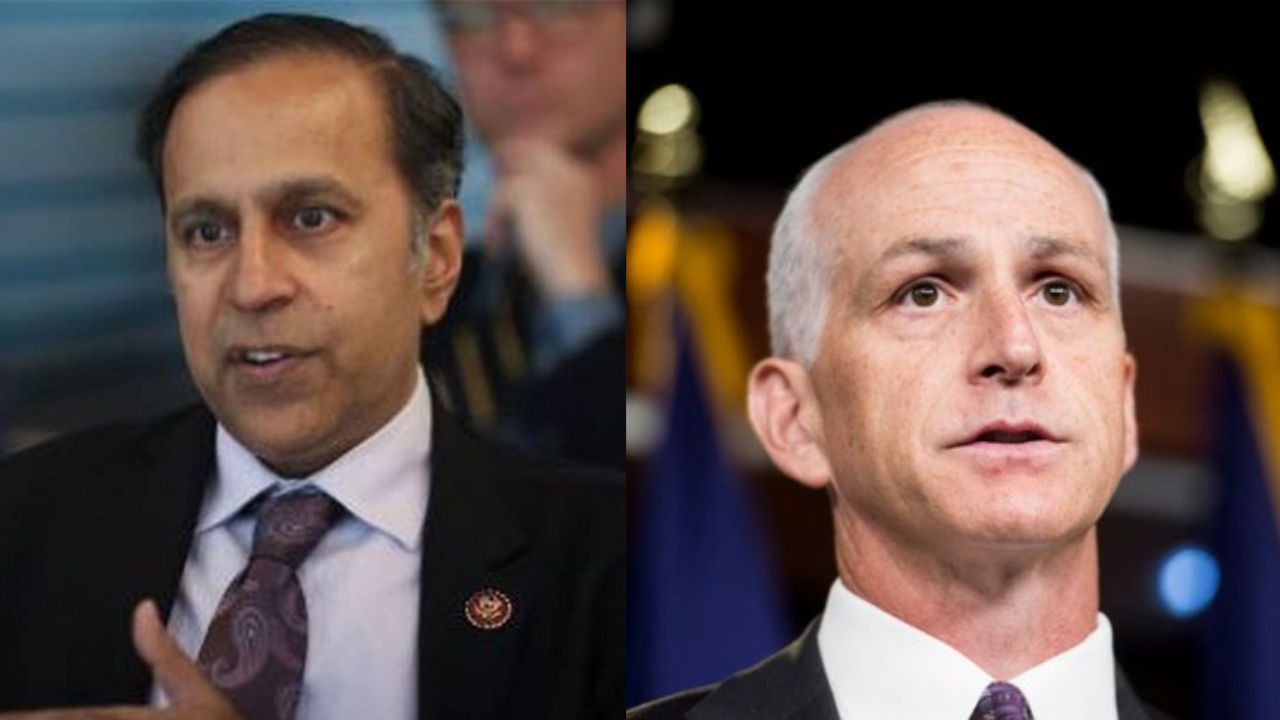
WASHINGTON (Diya TV) — Reps. Raja Krishnamoorthi and Adam Smith introduced legislation Thursday to help immigrants overcome licensing and training barriers and enter the U.S. health care workforce.
The Illinois and Washington Democrats proposed the Immigrants in Nursing and Allied Health Act and the Internationally Trained Physicians Assistance Act to address shortages of medical professionals.
The nursing bill would fund programs that provide training, licensing, certification and case management. Immigrants could receive support regardless of their previous health care experience.
It would also expand National Health Service Corps eligibility to noncitizen immigrants. The program supports health professionals who serve communities with limited access to care.
The legislation covers nursing and professions including dental hygiene, physical therapy, occupational therapy, respiratory therapy and speech-language pathology.
The physicians bill would encourage states to establish temporary licensing programs. Internationally educated doctors could practice under supervision while completing the requirements for a U.S. medical license.
It would also establish guaranteed medical residency positions serving predominantly medically underserved communities and provide grants for exam preparation, testing, certification, English-language classes and case management.
Krishnamoorthi said qualified immigrants should have opportunities to use their training to care for patients. Smith said licensing barriers prevent skilled professionals from practicing while patients face longer waits.
The Association of American Medical Colleges’ latest workforce projections estimate a shortage of between twenty thousand two hundred and forty thousand four hundred primary care physicians by twenty thirty-six. That updates the older projection cited in the lawmakers’ announcement.
Supporters include World Education Services, Upwardly Global, the International Medical Graduates Academy and several community health organizations, according to Smith’s office.
Both measures remain proposals and require congressional approval and the president’s signature before taking effect.