ALEXANDRIA, Va. (Diya TV) — A federal judge on Friday extended a court order blocking the Trump administration’s proposed $1.8 billion “anti-weaponization” fund, adding another chapter to a growing legal battle that has drawn criticism from both Democrats and Republicans.
U.S. District Judge Leonie Brinkema ruled that the fund must remain on hold until the administration provides stronger assurances that it will not move forward with the program. The decision came despite recent testimony from acting Attorney General Todd Blanche, who told lawmakers that the administration had abandoned plans for the fund.
Brinkema said Blanche’s statements alone did not provide enough certainty. As a result, she gave the administration one week to submit sworn declarations confirming that the fund will not be revived.
The proposed fund emerged from a settlement tied to President Donald Trump’s lawsuit against the Internal Revenue Service. Trump sued the IRS over the unauthorized disclosure of his tax returns. Under the plan, the Justice Department would have created a $1.776 billion fund to compensate people who claimed they were victims of government “weaponization” or politically motivated legal actions.
However, the proposal quickly sparked controversy. Critics questioned how the administration would determine who qualified for compensation. Lawmakers from both parties also raised concerns that people involved in the Jan. 6, 2021, attack on the U.S. Capitol could potentially receive payments.
Because of those concerns, Blanche later told members of Congress that the administration would not proceed with the fund. He stated clearly that officials were no longer moving forward with the proposal. Even so, Brinkema expressed skepticism during Friday’s hearing. She noted that the administration had not formally rescinded the order that established the fund. Therefore, she said, questions remained about whether officials could restart the program at a later date.
“The government’s mootness argument, in my view, doesn’t go anywhere,” Brinkema said during the hearing.
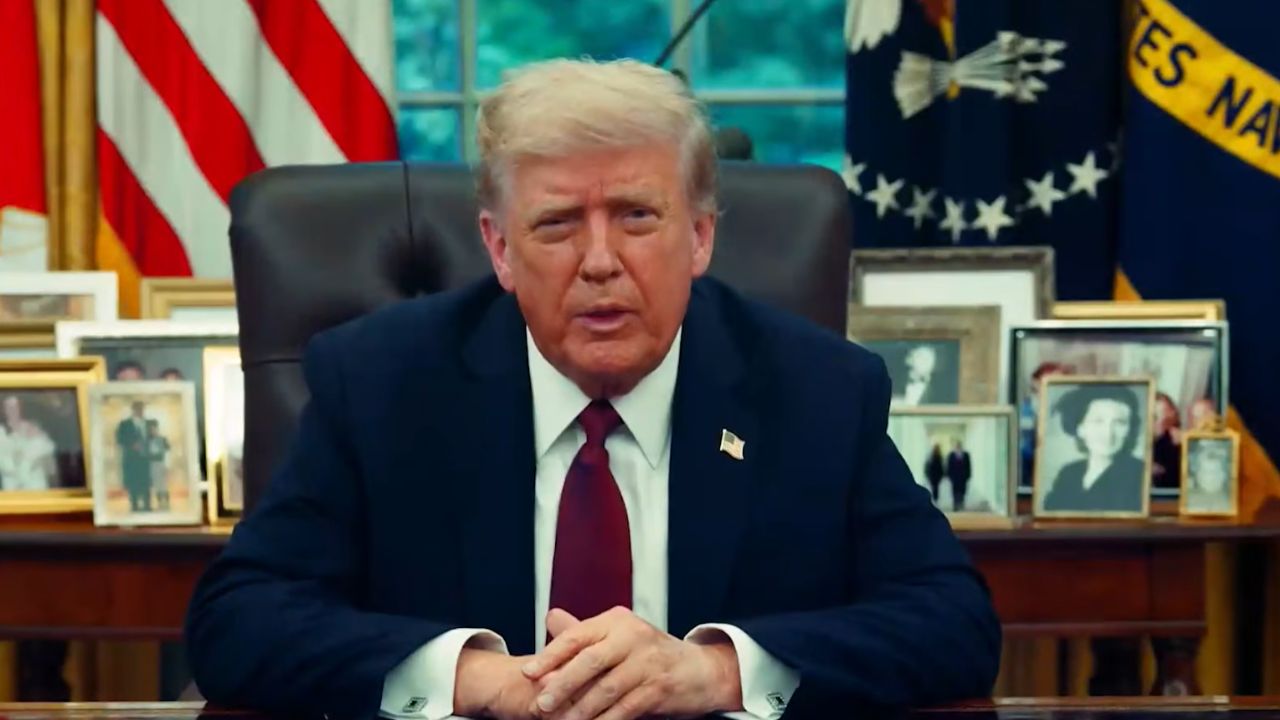
The judge ordered both sides to work toward an agreement that would require Blanche and Treasury Secretary Scott Bessent to provide sworn statements confirming the fund’s cancellation. Meanwhile, President Trump has continued to speak positively about the idea. Although administration officials have said the plan is no longer active, Trump has not publicly issued a clear statement rejecting it. That difference has fueled concerns among the plaintiffs challenging the proposal.
The lawsuit seeking to block the fund was filed by a group of plaintiffs that includes former federal prosecutor Andrew Floyd. Floyd said he lost his job because of his role in prosecuting cases connected to the Jan. 6 Capitol attack. Following Friday’s ruling, Floyd said he would continue the legal challenge. He argued that the proposed fund could undermine accountability established through court decisions and jury verdicts.
Plaintiffs contend that the administration lacks the legal authority to redirect taxpayer funds into a compensation program that could benefit Trump supporters and political allies. They argue that Congress, not the executive branch, controls federal spending decisions. The Justice Department has maintained that the dispute should end because officials no longer intend to create the fund. Government attorneys have argued that the case became unnecessary once Blanche announced the administration’s decision.
However, Brinkema was not the first judge to question the situation. Earlier this week, another federal judge in Washington accepted the administration’s position that the issue was effectively resolved. Still, that judge also asked why officials had not formally withdrawn the original order creating the fund. So far, the administration has not provided a public explanation. Additionally, officials never formed the five-member commission that would have reviewed claims and approved payments. As a result, no applications were accepted, and no money was distributed.
The controversy remains closely tied to the aftermath of the Jan. 6 attack. Trump issued broad pardons for many individuals charged in connection with the riot after returning to the White House. Consequently, concerns about potential compensation for participants became a central issue in the debate over the fund. For now, Brinkema’s ruling keeps the proposed program frozen. The court will review the administration’s sworn statements before deciding whether the legal challenge should continue or whether the case can finally come to an end.