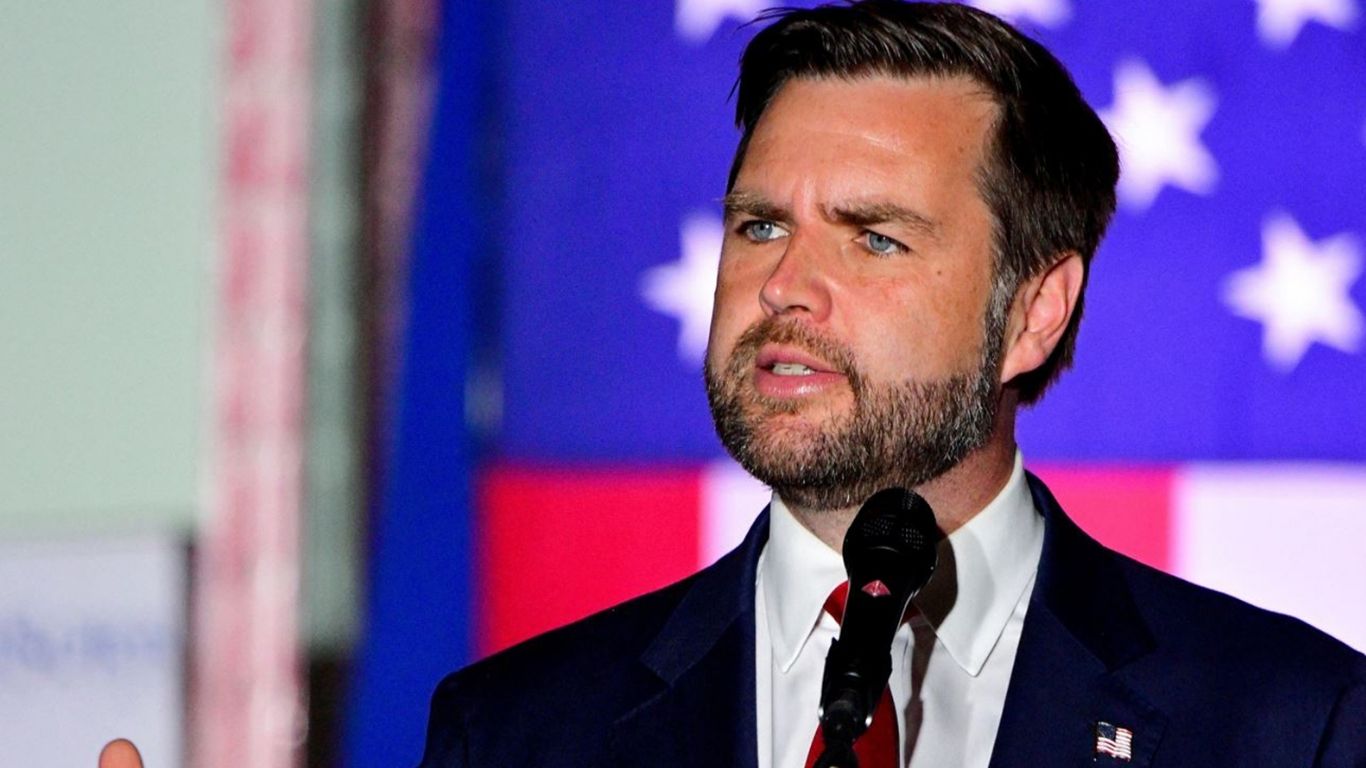
WASHINGTON (Diya TV) — Vice President JD Vance is quietly building relationships with some of the Republican Party’s wealthiest donors, fueling speculation about a possible 2028 presidential run. While he has avoided making any formal announcement, his growing presence in high-dollar fundraising circles signals early political positioning.
Vance holds an unusual second role as finance chair of the Republican National Committee. This position gives him direct access to major donors across the country. It also allows him to raise significant funds for the party ahead of the 2026 midterm elections.
So far, that strategy has paid off. Vance has helped bring in tens of millions of dollars through private events, dinners, and donor conferences. Many of these gatherings feature ticket prices ranging from $100,000 to $250,000. Each event often raises at least $2 million. Party leaders see this as a win. They benefit from strong fundraising, while Vance strengthens ties with influential backers.
Vance has focused heavily on building relationships with wealthy conservatives, especially in the tech and finance sectors. He has attended events hosted by prominent figures like Joe Lonsdale and has maintained close ties with Peter Thiel, a longtime mentor and supporter.
Other high-profile attendees at these events have included Rebekah Mercer and Sergey Brin. These connections give Vance access to a powerful network that could prove critical in a future presidential campaign. He has also worked to win over skeptics. Hedge fund billionaire Paul Singer, once cautious about Vance, has reportedly grown closer to him in recent months.
Despite the growing speculation, Vance and his team have tried to avoid appearing overly focused on 2028. They remain careful not to overshadow Donald Trump, who is still a dominant figure in the Republican Party.
At fundraising events, donors often ask directly about Vance’s plans. During a recent dinner in Texas, guests even posed the question to his wife. Vance avoided answering and shifted the conversation. This cautious approach reflects a broader strategy. Vance appears focused on building support quietly while keeping public attention on current political priorities.
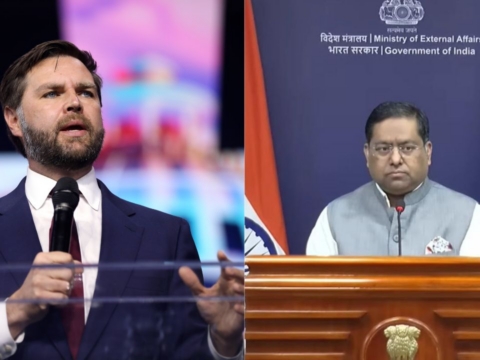
Vance has increased his political travel across the United States. He recently visited Iowa, a key early state in presidential primaries, to support Republican candidates. At the same time, he continues to attend private fundraising events across the country and abroad. Some of his international appearances have drawn mixed reactions. Trips to Hungary and Pakistan created headlines but did not produce clear political wins. Still, these visits have raised his global profile. Back home, his donor outreach remains steady. He has participated in more than two dozen RNC events, raising over $60 million.
Vance has also structured his financial network carefully. His political action committee, Working for Ohio, has an agreement with the RNC. It receives a small percentage of online fundraising proceeds. This arrangement helps fund his advisers and political operations.
In addition, Vance and his family have supported nonprofit efforts. He has raised nearly $5 million for a foundation linked to the vice president’s residence. His wife has also begun fundraising for a childhood literacy initiative. These efforts allow donors to support causes connected to Vance while strengthening personal relationships.
Vance remains relatively new on the national stage. He won his first election less than four years ago. Yet he has quickly become a central figure in Republican fundraising and donor outreach. Many allies believe he will run for president in 2028. Some are already preparing behind the scenes. His growing donor network, combined with his leadership role in the RNC, gives him a strong foundation.