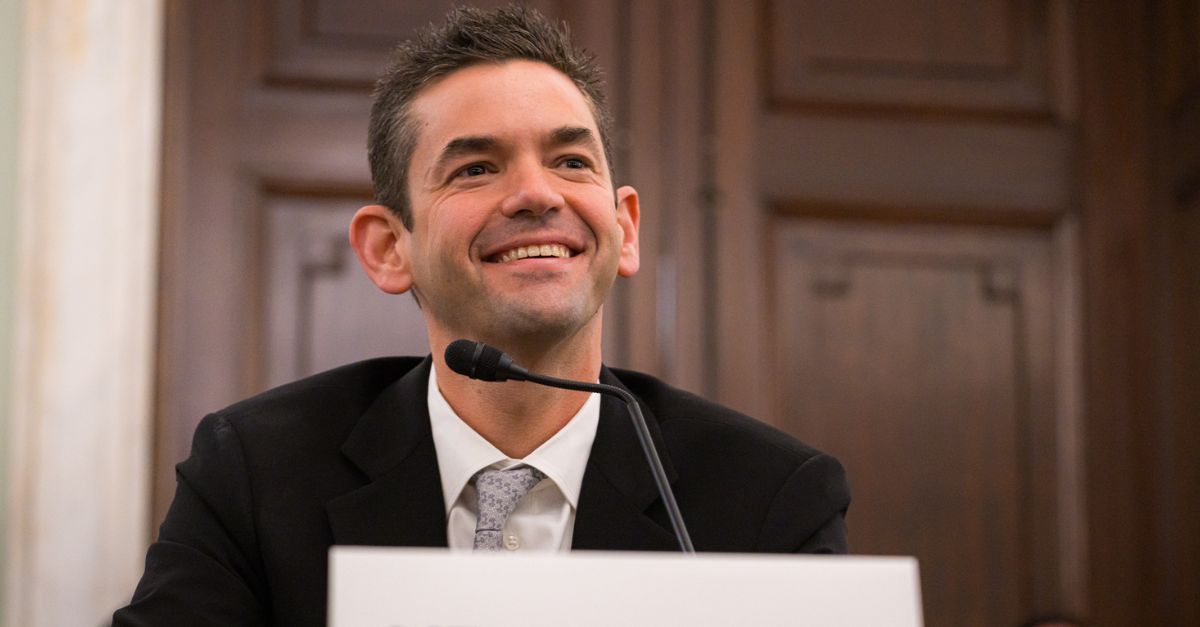
WASHINGTON (Diya TV) — The U.S. Senate has confirmed billionaire investor and private astronaut Jared Isaacman as the next administrator of NASA, marking a rare move by President Donald Trump to place a high-profile outsider at the helm of the nation’s space agency. The confirmation ends a turbulent nomination process shaped by politics, personal rivalries, and growing competition in space.
Senators voted 67-30 on Wednesday to approve Isaacman’s appointment. The strong bipartisan margin reflects broad support for his vision of aggressive space exploration and closer ties with the private sector. Isaacman, 42, becomes the first NASA administrator in decades to come directly from outside government. He will take charge of the agency at a time of rising global competition, especially with China’s fast-growing space ambitions.
Trump first announced his intent to nominate Isaacman in December 2024. The move surprised many in Washington because Isaacman had no prior political experience. The nomination soon took a dramatic turn. In May, Trump withdrew the nomination during a public feud with Elon Musk. Musk, the CEO of SpaceX and one of Trump’s biggest political donors, had been a close ally of Isaacman. Their relationship drew scrutiny during the confirmation process.
Trump said at the time that the withdrawal followed a “thorough review of prior associations.” The decision came as Trump and Musk clashed over federal spending and government contracts. Months later, in November, Trump revived the nomination. The White House framed the move as part of a renewed push to secure U.S. leadership in space.
Isaacman is best known as a billionaire entrepreneur and amateur jet pilot. He made headlines as the first non-professional astronaut to conduct a spacewalk. He funded and commanded private missions that expanded the role of civilians in spaceflight. During his confirmation hearing earlier this month, Isaacman aligned himself closely with Trump’s space goals. He voiced strong support for returning humans to the Moon and building a permanent lunar base. Trump has said the Moon should serve as a platform for mining resources and as a stepping stone to Mars. Isaacman echoed that view before lawmakers.
“This is not the time for delay,” Isaacman told senators. “If we fall behind, the consequences could shift the balance of power here on Earth.”
The new NASA chief will face intense pressure to deliver results. Many experts say his tenure will hinge on whether the United States can return astronauts to the Moon before China. China has expanded its lunar missions and signaled plans for a long-term presence. U.S. officials see that effort as both a scientific challenge and a strategic threat. Isaacman has argued that speed and innovation matter more than tradition. He believes NASA must act boldly to stay ahead in the space race.
Isaacman has made clear that he wants more private sector competition at NASA. He sees commercial partners as essential to lowering costs and accelerating progress. That approach could create friction with Musk and SpaceX. Last week, Isaacman praised NASA’s decision to award a major contract to Blue Origin, the space company owned by Amazon founder Jeff Bezos.
Blue Origin is one of SpaceX’s main rivals. Isaacman’s comments signaled that he plans to treat private companies evenly, even when personal ties exist. He has also pushed for deeper partnerships with universities and research institutions. He has described NASA as a “force multiplier for science” that should empower others to innovate.
Isaacman has shown a personal commitment that goes beyond policy. In past remarks, he said he would explore every option to move missions forward.
“If we are on the verge of something extraordinary, I will do whatever it takes,” he wrote, even suggesting he could help fund projects himself.
According to Forbes, Isaacman’s net worth stands at about $1.2 billion. He earned most of it through a payment-processing company and the sale of a firm that trained pilots and operated military aircraft.
The NASA administrator role will be Isaacman’s first job in politics. He will replace Sean Duffy, the transportation secretary, who has served as interim NASA chief since July. As Isaacman takes office, expectations remain high. Supporters see him as a bold innovator. Critics question his lack of government experience. The coming years will show whether his outsider approach can deliver historic results in space.