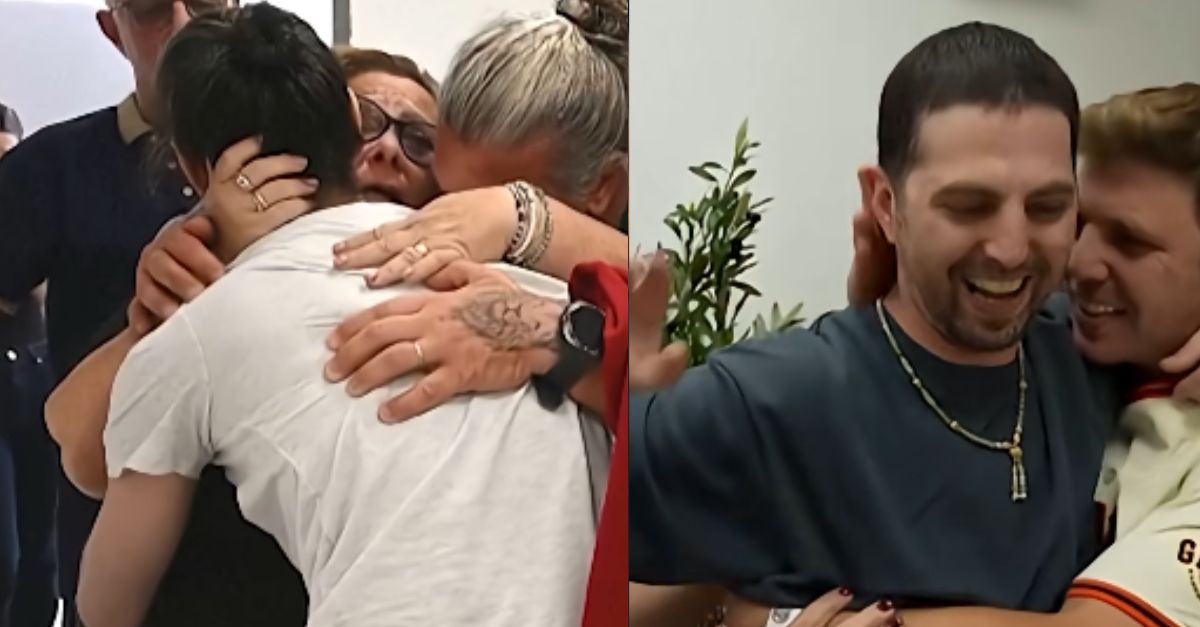
JERUSALEM, Israel (Diya TV) — After more than two years apart, freed hostages Avinatan Or and Noa Argamani were reunited on Monday in an emotional homecoming. The couple had been torn apart when Hamas attacked Israel on Oct. 7 of last year. Their reunion marks a powerful moment amid ongoing conflict and hostage negotiations. Noa Argamani, who had endured 246 days in captivity, greeted her partner with visible relief and joy. Avinatan Or was held even longer—738 days.
Yet both survived harrowing conditions and returned “against all odds,” Argamani wrote in a personal statement posted on social media. Or came home under a truce deal struck between Israel and Hamas. He returned to Israel along with 19 other living hostages. Argamani’s release came a year earlier as part of a daring Israel Defense Forces (IDF) rescue operation.
During the Nova music festival attack, footage showed the couple taken by Hamas into Gaza. That image became a stark symbol of the brutality and randomness of the kidnapping. For many, their separation highlighted the human cost of terror, and their reunion now serves as a sign of hope. Argamani described the reunion in simple but powerful terms. “I cannot put into words the range of emotions I felt when I saw him for the first time after so long,” she said. She added that each had “faced death countless times” yet now are taking “our first steps together again in the State of Israel.”
Argamani was freed in a daring IDF rescue mission. Details remain under military secrecy, but the operation was widely praised for its precision and risk. Or’s release took place under a complex truce agreement. His return was part of a negotiated exchange. The couple’s time in captivity highlights the harsh realities hostages face. Many endure limited food, harsh conditions, and psychological strain. Being held for hundreds of days tests both body and spirit. Yet Or and Argamani survived.
Their story resonates with many in Israel and beyond. It underscores the long and painful process of hostage negotiations, rescue missions, and war. Their return offers a moment of relief in an otherwise grim landscape of conflict. The reunion also brings a softer human element to the news cycle. It is a story of love, resilience, and survival in the face of extreme danger. For many readers, their story personalizes the larger struggles in Gaza, Israel, and the wider region.
Or and Argamani now face the difficult work of physical and emotional recovery. After years in captivity, they must rebuild their lives. Both will likely need medical care, psychological support, and time with family and friends. Their return also raises tough questions about future security, hostage policies, and diplomacy with Hamas.
Still, the reunion marks a clear turning point for them. They are no longer separated hostages. They have come home. They have a chance to begin again. Their story can help keep attention on other hostages still missing. It may inspire renewed efforts to reach more families trapped in conflict. It also shines light on the determination of those who refuse to give up hope.