MUMBAI (Diya TV) — Growth in Indian Premier League media rights may be slowing after years of rapid expansion, according to a new report that signals a major shift in the business of cricket’s richest tournament.
A report by Media Partners Asia projects that IPL media rights will plateau at $5.4 billion in the 2028–32 cycle. This figure matches the current 2023–27 deal, suggesting that the era of explosive growth may be ending.
The study, titled “The IPL: Teams, Rights & Valuations,” highlights a key concern. While total value remains steady, per-match value is expected to fall by 13%. It could drop from $13.2 million to $11.5 million per game. The reason is simple. The IPL now features 94 matches. This expansion increases volume but does not raise overall value at the same pace.
The last major jump in IPL media rights came during the 2022 auction. That process saw fierce competition between Viacom18 and Disney. Viacom18, backed by Reliance Industries, paid about $3 billion for digital rights. Disney matched that with $3.01 billion for television rights.
This rivalry drove prices sharply higher. However, that dynamic no longer exists. The merger of Viacom18 and Disney’s India operations created JioHotstar. The combined platform now holds all IPL rights. This consolidation removes competition. It also reduces the chances of another bidding war.
The report shows that current rights holders face losses between $1.8 billion and $2 billion. Revenue growth has slowed as well. Advertising revenue grew at a 7% compound annual rate over the past three seasons. This marks a sharp drop from the 18% growth seen earlier. Several factors explain the slowdown. Policy changes forced ed-tech and real-money gaming firms to cut spending. The Board of Control for Cricket in India also banned crypto-related ads.
These changes reduced the number of major advertisers. Global economic pressures could further impact demand. New sectors like artificial intelligence may offer some support. However, they are unlikely to fully offset the decline.
Media rights now make up about 75% of IPL franchise revenue. This marks a steep rise from 48% in 2017. Franchise profitability has improved. Average EBITDA margins have grown from 10% in the early years to 34% today.
But this success comes with risk. Heavy reliance on media income makes teams vulnerable if rights values drop. Non-media revenue streams are growing. Sponsorships and digital income have increased at a 22% annual rate since the pandemic. Still, these sources remain relatively small.
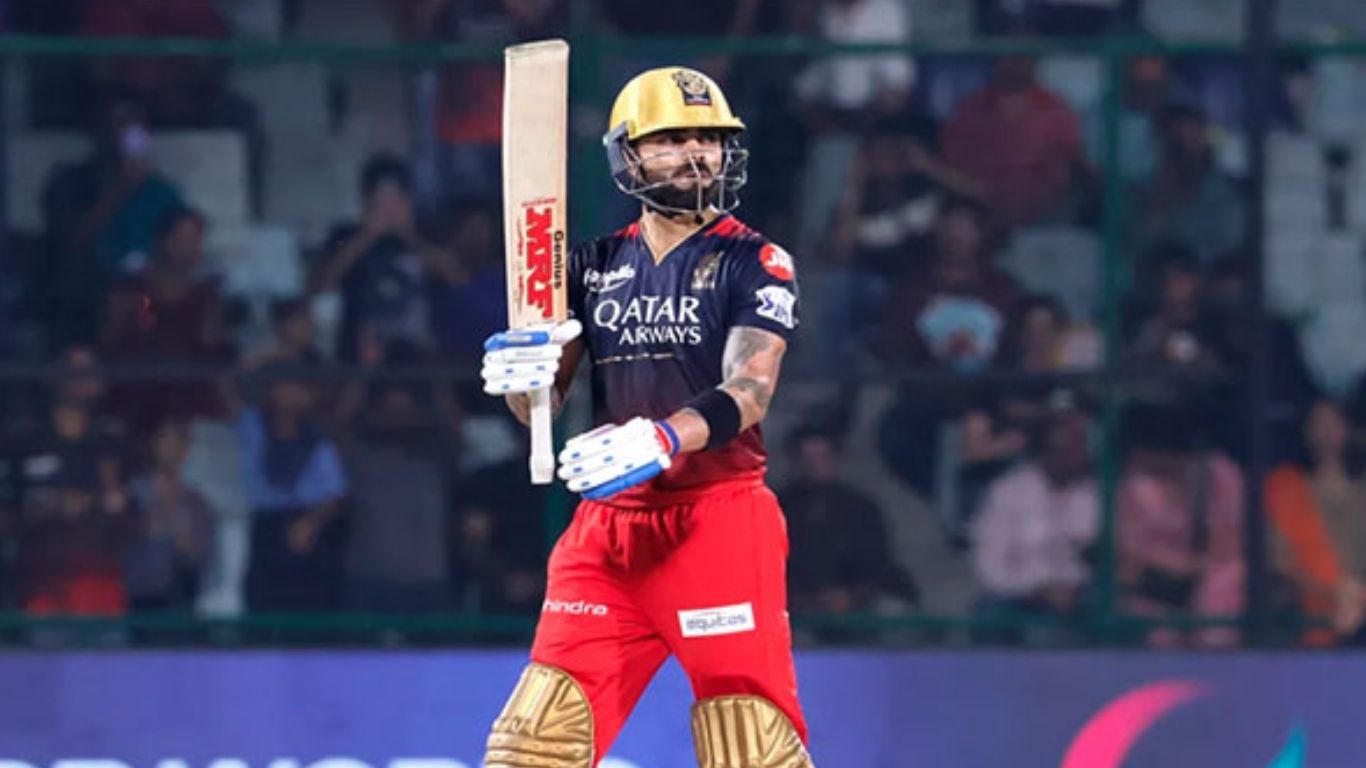
The report ranks IPL teams based on performance and global presence. Mumbai Indians lead with a score of 360 out of 400. Chennai Super Kings follow at 320. Royal Challengers Bengaluru ranks fourth with 230 points. The team benefits from a massive fan base driven by Virat Kohli. However, limited titles and reliance on one star hurt its ranking. At the bottom sit the Punjab Kings and the Lucknow Super Giants.
Streaming numbers continue to rise. JioHotstar recently crossed 70 million concurrent viewers during the ICC T20 World Cup final. The IPL is expected to set new records in 2026. However, high viewership has not translated into strong profits. Streaming platforms still struggle to match revenue with the high cost of media rights. This gap remains a major concern for future valuations.
Experts say the IPL is entering a new phase. Future growth will depend less on media rights and more on diversified income. Franchise owners are already adapting. Many are exploring sponsorship deals, global expansion, and digital monetization. The report also notes an increase in franchise stake sales. Owners are seeking liquidity before market conditions change.
Industry analysts warn that current valuations may not last long. The next cycle could test the financial strength of both teams and broadcasters. The IPL remains one of the world’s most valuable sports properties. But its growth story is evolving. The focus is shifting from rapid expansion to long-term sustainability.