DES MOINES, Iowa (Diya TV) — A proposed Iowa law restricting the hiring of certain foreign workers in higher education has sparked protests, policy debate, and concerns from universities as it advances through the state legislature.
The legislation, House File 2513, would prohibit colleges and universities in Iowa from entering into employment contracts with individuals on H-1B visas who are citizens of countries designated by the U.S. government as “foreign adversaries” or state sponsors of terrorism.
The bill specifically targets nationals from countries including China, Iran, Russia, Syria, Cuba, North Korea, and Venezuela. The proposal has already passed the Iowa House with a 68–27 vote and has advanced through Senate subcommittee and committee stages, making it eligible for further debate in the Senate.
If enacted, the law would apply to new employment contracts starting July 1, 2026, and would affect public universities, community colleges, and private higher education institutions in the state.The bill does not apply retroactively, meaning existing employees on H-1B visas would not be impacted. However, it would restrict future hiring decisions.
The H-1B visa program allows U.S. employers to hire foreign workers in specialized fields such as science, engineering, and academia. Universities across the country rely on the program to recruit faculty, researchers, and graduate assistants, particularly in STEM disciplines.
Supporters of the legislation, including Republican lawmakers, say the bill is designed to address national security risks. They argue that restricting employment from certain countries could help protect sensitive research and intellectual property at universities. Some lawmakers have raised concerns about foreign influence in academic settings, particularly in areas such as political science, economics, and advanced technology.
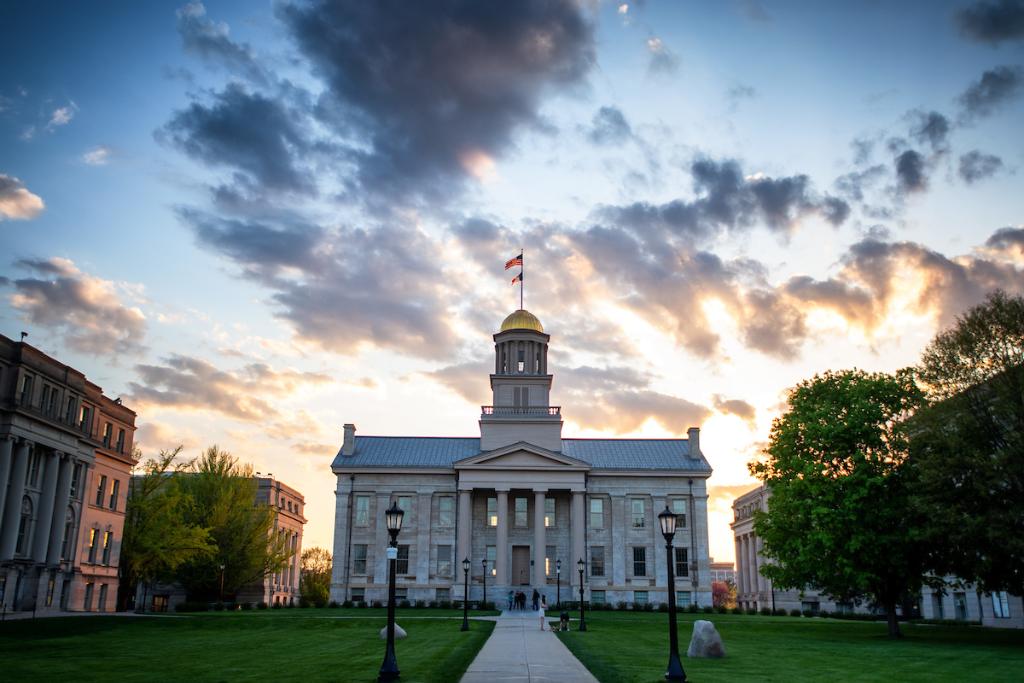
Opponents, including university employees and faculty members, argue that the measure could limit access to global talent and affect academic competitiveness. Demonstrators gathered at the Iowa State Capitol in recent days, with roughly 100 participants calling on lawmakers to reject the proposal.
University officials have also raised concerns about the bill’s broader implications. According to testimony cited during legislative discussions, only a small fraction of university employees in Iowa are on H-1B visas—estimated at 120 to 130 individuals out of nearly 30,000 employees across institutions.
At the same time, lawmakers noted that the impact could still be significant in specific departments. Data cited during debate shows that more than 300 individuals at the University of Iowa, over 100 at Iowa State University, and additional staff at the University of Northern Iowa are part of the H-1B system, including researchers, instructors, and graduate assistants.
University representatives have also warned that the bill could expose institutions to legal challenges. Officials from the Iowa Board of Regents indicated that restricting hiring based on nationality could conflict with existing anti-discrimination laws, potentially leading to lawsuits.
The legislation is part of a broader trend of state-level efforts to address national security concerns related to foreign influence in academia. Supporters argue that even a small number of hires could pose risks involving intellectual property or research security, while critics say the bill may not be proportionate to the scale of the issue.
During legislative debate, proposed amendments aimed at narrowing the scope of the bill—such as exemptions for individuals from allied nations or those fleeing persecution—were introduced but ultimately rejected.
The proposal has also raised questions about the balance between federal and state authority. Immigration policy, including visa programs like H-1B, is governed at the federal level, but the Iowa bill focuses on employment decisions made by state-based institutions.
As the bill moves forward, its outcome could have implications beyond Iowa. Higher education institutions often compete nationally and globally for talent, and changes to hiring policies in one state may influence recruitment, research collaboration, and institutional competitiveness.
For now, the measure remains under consideration in the Iowa Senate. No final decision has been made, and debate is expected to continue as lawmakers weigh national security concerns against the operational and academic impacts on the state’s higher education system.