WASHINGTON (Diya TV) — A proposal to transfer oversight of In-Q-Tel, the venture firm closely associated with the Central Intelligence Agency, has triggered internal debate over who should control one of the intelligence community’s primary gateways to private sector technology.
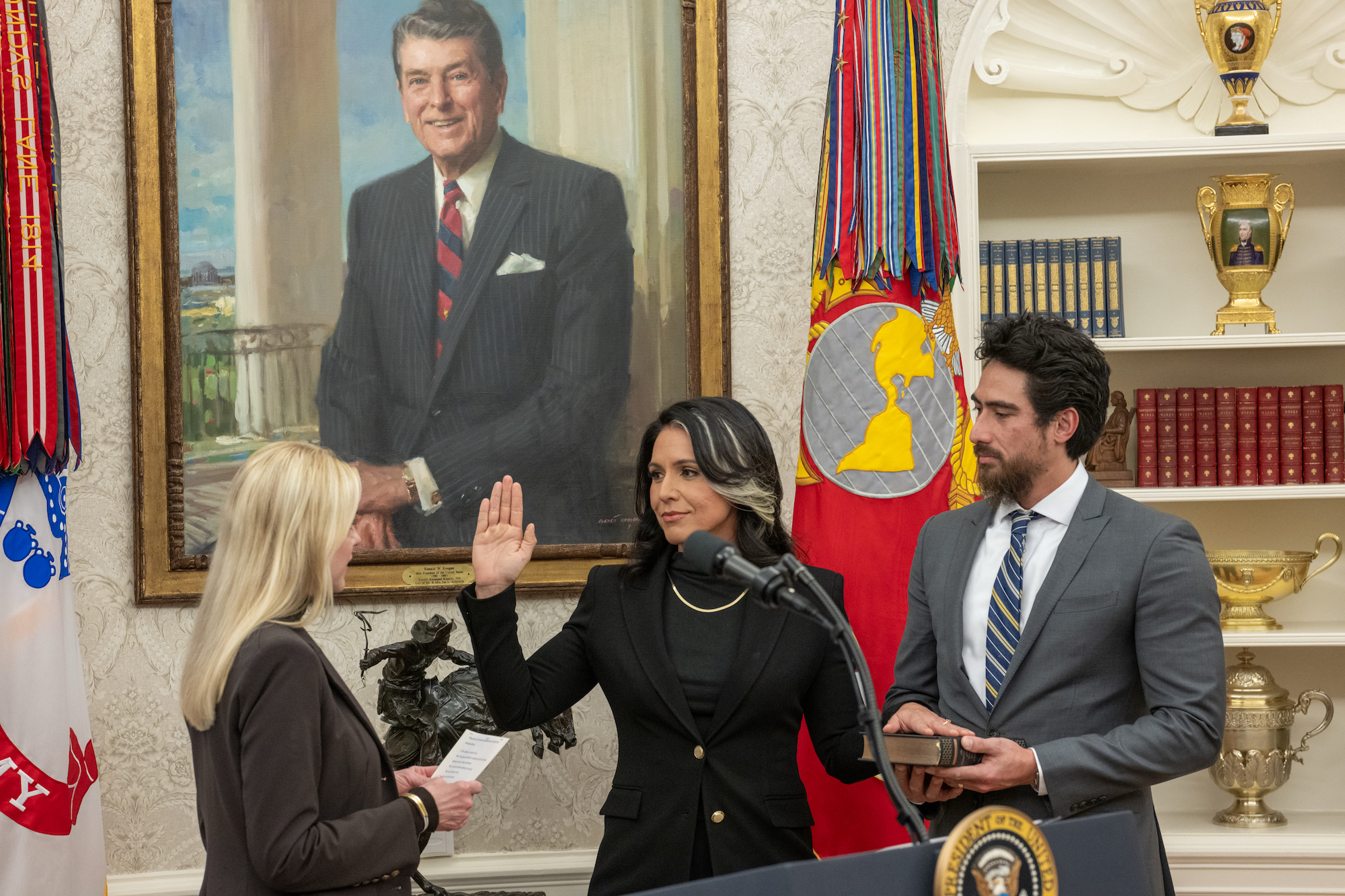
Politico reports people familiar with the discussions say Director of National Intelligence Tulsi Gabbard has been working on a plan that would move responsibility for In-Q-Tel to the Office of the Director of National Intelligence. The effort has not been formally announced, and its current status remains unclear.
The dispute centers on a question that has lingered for years. In-Q-Tel was created in 1999 to help intelligence agencies access cutting edge commercial technology. It has since evolved into a key gateway between Silicon Valley and national security agencies, investing in areas such as artificial intelligence, cybersecurity, and advanced communications.
Although the firm is legally independent, its relationship with the CIA has been foundational. The agency has historically worked closely with In-Q-Tel to identify technologies that meet operational needs. At the same time, the organization now supports a broader set of partners across the intelligence community.
That expansion has sharpened the current debate.
Supporters of a shift argue that placing In-Q-Tel under ODNI would better reflect its role as a community-wide asset. ODNI is responsible for coordinating intelligence activities across agencies and shaping long term priorities. Bringing In-Q-Tel into that structure, they argue, could align its investments more closely with shared national security needs.
Others see risks in changing a model that has operated for more than two decades. The CIA’s connection to In-Q-Tel has been built on speed and direct mission focus. Some officials worry that moving oversight could introduce additional layers of coordination and slow decision making at a time when competition for emerging technology is intensifying.
Publicly, ODNI has pushed back strongly on reports suggesting a divide. In a statement, spokesperson Olivia Coleman said the office has been working with the CIA for nearly a year to expand access to advanced technology across the intelligence community. She described those discussions as collaborative and focused on mission outcomes.
Coleman also directly disputed Politico’s reporting. “This is false and I told Politico that and their response was that they’d update the story with my comment,” she wrote. “Doesn’t work that way when the entire story is false.”
At the same time, ODNI has not explicitly ruled out the possibility of structural changes.
There is also little on-the-record response from the CIA. While concerns have been attributed to agency officials in reporting, no formal public statement has outlined its position.
The lack of clarity reflects the sensitivity of the issue. In-Q-Tel operates at the intersection of government and private innovation. It is funded through government contracts but structured as an independent nonprofit. That arrangement has allowed it to move quickly in identifying and investing in technologies that traditional procurement systems often struggle to access.
Recent public appearances by intelligence leaders offer few clues. Gabbard and CIA Director John Ratcliffe appeared together during congressional hearings in March, presenting a unified message on global threats and intelligence priorities. Their testimony did not address In-Q-Tel or any potential changes to its oversight.