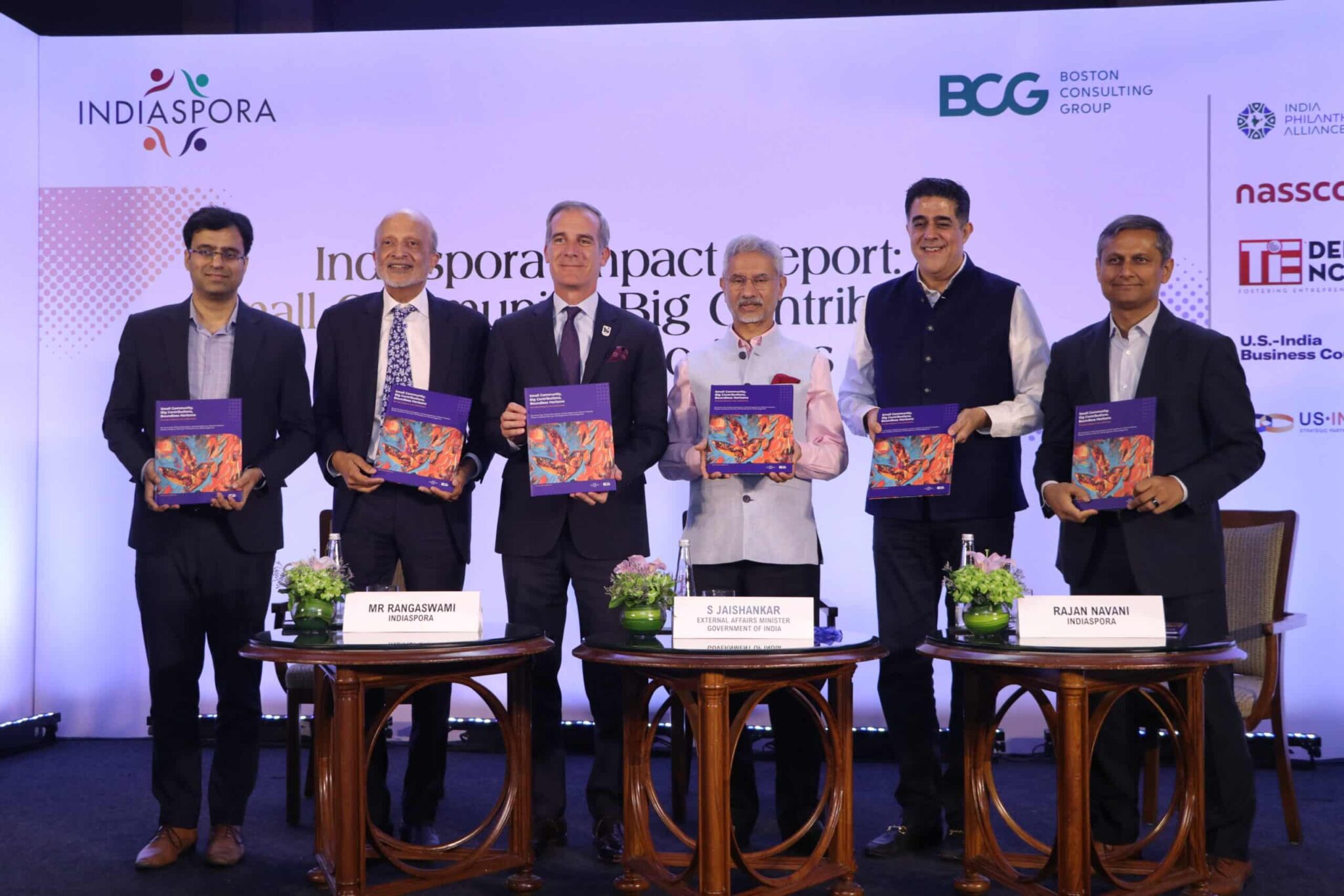
SAN FRANCISCO, Calif. (Diya TV) — Indiaspora says proposed immigration fees and restrictions could make it harder for U.S. employers to hire skilled workers, including Indian professionals in technology, health care and education. The group’s Oct. 30 statement also criticized anti-Indian rhetoric during the election season.
Several policies it cited, however, have different legal statuses: some already took effect, some remain proposals and one major fee is blocked by court orders.
The most sweeping proposed H-1B cost is a $103,265 fee for petitions subject to the annual visa cap. The Department of Homeland Security proposed it in August, including for petitions filed under the U.S. advanced-degree exemption. The public comment period has closed, but the fee has not taken effect. The annual cap covers 65,000 visas, plus 20,000 for workers with qualifying U.S. graduate degrees.
That proposal is separate from a $100,000 payment the administration created by presidential proclamation. Federal courts have blocked the payment, so employers do not currently have to pay it.
Indiaspora also warned that a wage-weighted H-1B selection process could disadvantage early-career workers, whose starting salaries tend to be lower. The process took effect in February. It still uses random selection, but gives higher-wage registrations better odds while preserving a chance for applicants at every wage level.
Another proposal would end the discretionary grace period of up to 60 days that certain foreign workers, including H-1B holders, can receive after losing a job. The period remains in place while the government considers the proposal.
The group’s description of H-4 spouses’ work permits also needs context. A rule that took effect in October 2025 ended automatic extensions for some employment authorization documents while renewal applications await decisions. DHS finalized that rule in October 2026. It did not end H-4 spouses’ eligibility to apply for work authorization or freeze renewals.
For international students, DHS has proposed a $70,000 fee for a school’s first recommendation that a student participate in Optional Practical Training, followed by $30,000 for a later recommendation, including STEM OPT. The proposal would require schools to pay, and it remains open for public comment through Nov. 9.
The potential impact reaches beyond technology, Indiaspora argues. It says rural hospitals use H-1B doctors to fill hard-to-recruit positions and some schools, including those in the Mississippi Delta, hire teachers from India. The group did not provide figures estimating how many positions the proposed rules might affect.
Federal data show the scale of the student-work pathway: in 2024, 194,554 international students with work authorization reported working through OPT. Nearly half of students in the STEM extension came from India. Those figures do not show how many students would be affected if the proposed fee takes effect.
“H-1B workers from India have helped make America the world’s innovation leader,” said Indiaspora Executive Director Sanjeev Joshipura. The group argues that employers could move some hiring overseas if U.S. recruitment becomes more costly, but it offered no estimate of the jobs or tax revenue that might shift.
Indiaspora called on leaders in both parties to reject anti-Indian rhetoric. Its statement did not identify specific speakers or incidents, but warned that portraying Indian Americans as outsiders could affect workers and communities as well as U.S.-India ties.