NEW DELHI (Diya TV) — India’s Ministry of Electronics and Information Technology (MeitY) has summoned Meta President of Global Affairs Joel Kaplan over the temporary removal of a reel posted by Prime Minister Narendra Modi. The move marks a sharp escalation in the government’s concerns about Meta’s content moderation practices. Officials said the company’s explanation that an automated system mistakenly removed the post was “not reasonable.”
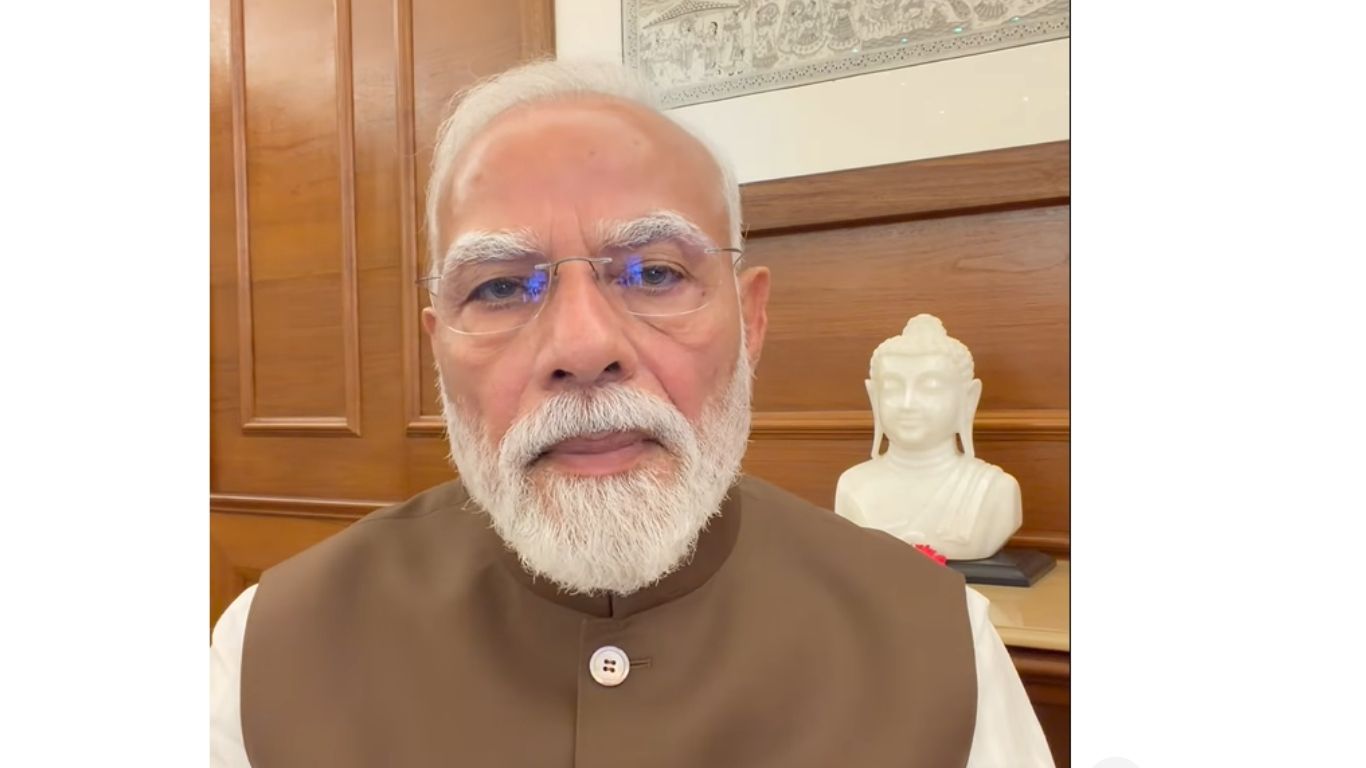
The issue began on July 23, when Meta briefly removed a reel from Modi’s official account during nationwide protests over the National Eligibility cum Entrance Test (NEET-UG) paper leak. The video featured the prime minister addressing students and promising fast-track courts and stricter penalties. Later the same day, Meta restored the reel and said a technical error in its automated filters caused the removal.
However, the explanation did not satisfy government officials. MeitY believes Meta’s India policy team failed to communicate the seriousness of the matter to the company’s headquarters. Therefore, MeitY Secretary S. Krishnan sent an email invitation on Tuesday asking Kaplan to appear in person.
The government has raised several questions about the incident. First, officials want to know how Meta’s systems failed to recognize that the reel came from the prime minister’s verified account. They argued that a platform with advanced recommendation and moderation tools should identify official accounts without difficulty.
In addition, officials questioned a notice that appeared for users in India. The message stated that access to the content had been restricted following a legal request. However, there is no public evidence showing that the Indian government asked Meta to remove the reel. Because of that, officials now want the company to explain why users saw the notice.
Furthermore, the government wants Meta to clarify how long the reel remained unavailable. So far, the company has not shared that information publicly. At the same time, Meta has proposed creating additional protections for high-profile accounts to prevent similar mistakes in the future.
Meanwhile, the controversy extends beyond Modi’s reel. The government has also examined Meta’s handling of protest-related content during demonstrations linked to the NEET-UG paper leak.
During the protests, Instagram restricted access in India to the official account of the Cockroach Janta Party, which has about 20 million followers. The platform also limited access to a reel posted by a DW News journalist that showed a student crying after an alleged police assault. In another case, Meta blocked access in India to a Maktoob Hindi reel covering demonstrations at Jantar Mantar. Users only saw a notice without details about the legal basis or the authority behind the restriction.
At the same time, several creators claimed Instagram labeled protest-related posts as sensitive content and reduced their visibility. In addition, a spokesperson for the Nationalist Congress Party alleged that coordinated mass reporting led to shadow-banning of certain posts. Separately, Delhi Police said it had asked online platforms to remove posts containing offensive language directed at the prime minister following the July 20 “Sansad Chalo” march. Police also said companies had already removed many such posts.
The debate has also expanded to artificial intelligence and deepfake content. Delhi Police said it blocked more than 400 Pakistan-linked social media accounts that allegedly spread deepfake material related to the protests. Meanwhile, Maharashtra Cyber reported that Pakistan-based accounts circulated AI-generated visuals connected to the demonstrations.
The Parliamentary Standing Committee on Communications and Information Technology will meet on Aug. 3 under the leadership of Bharatiya Janata Party Member of Parliament Nishikant Dubey. The committee has summoned representatives from Meta, X, Snapchat, and Google. It plans to examine how these platforms protect the privacy of women, children, farmers, rural residents, laborers, and the wider public. Members also want to discuss how the companies comply with the government’s public order requirements.
For now, MeitY has not released a public statement about its planned meeting with Kaplan.