NEW DELHI (Diya TV) — The global tourism industry is experiencing a powerful rebound in 2024 and 2025. After years of pandemic-related struggles, international travel is once again booming. The World Travel & Tourism Council (WTTC) reports that the sector generated $10.9 trillion in 2023. Projections show that by 2034, tourism will contribute $16 trillion to the global economy, making up more than 11% of global GDP.
As countries invest in infrastructure and travel demand grows, the tourism landscape is changing fast. One of the most exciting shifts is India’s dramatic rise in the global tourism economy.
India has jumped to eighth place in the list of the world’s top tourism economies, according to WTTC’s 2024 Economic Impact Trends Report. The country generated $231.6 billion from tourism in 2023, rising from the 10th spot just a year ago. This leap highlights India’s growing appeal as a vibrant, culturally rich, and diverse travel destination.
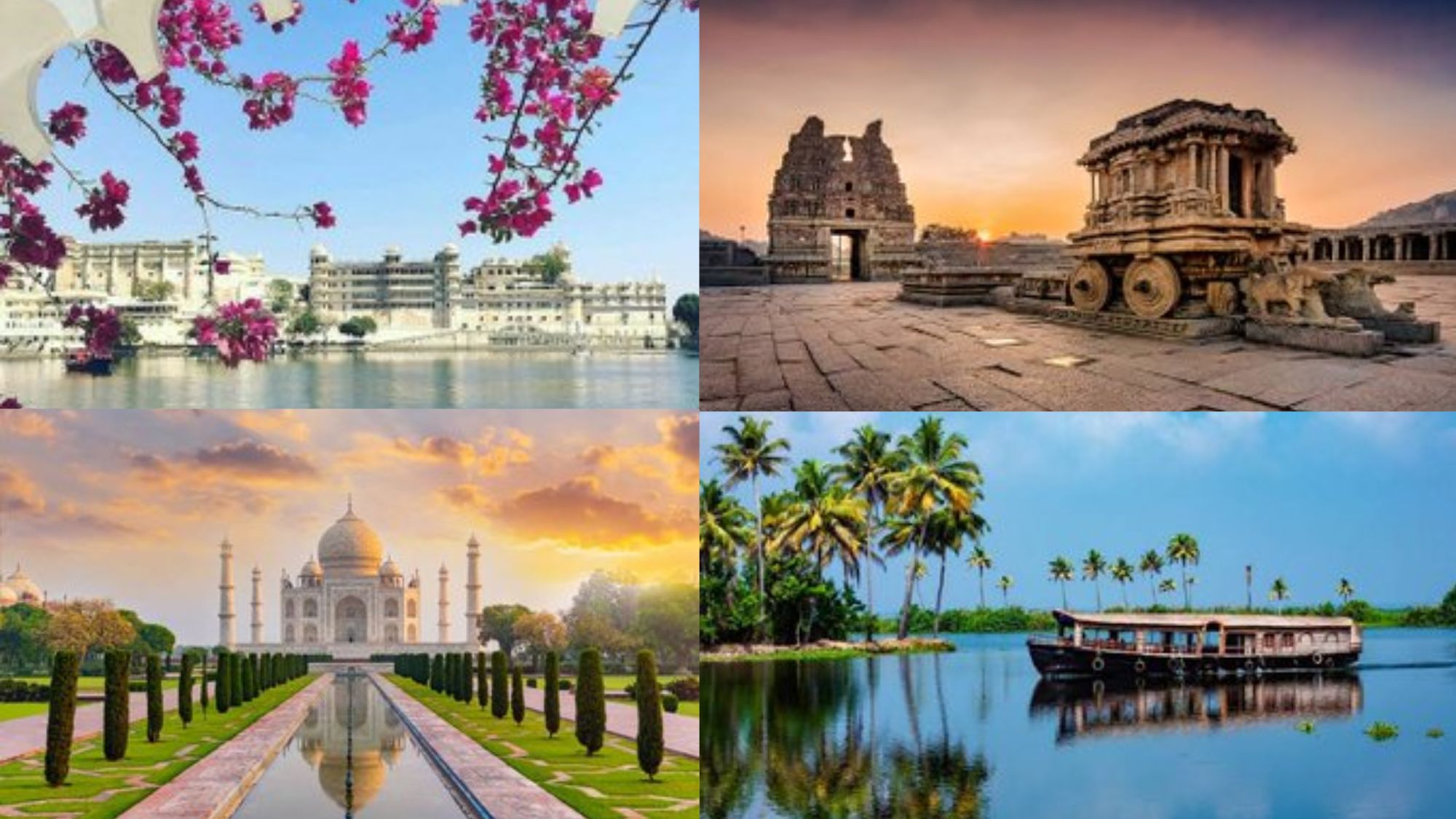
With historic landmarks, spiritual centers, scenic landscapes, and modern infrastructure, India attracts millions of visitors each year. Government initiatives to boost tourism and improve connectivity have further helped the country secure its place among the world’s tourism leaders.
The United States continues to dominate the tourism sector. It remains the world’s largest tourism economy with a contribution of $2.36 trillion in 2024. China holds the second spot with $1.3 trillion and is projected to surpass the U.S. in the next decade.
Japan has climbed to fourth place with a contribution of $297 billion, reflecting its strong post-pandemic recovery. Other countries holding top spots include Germany, the United Kingdom, Mexico, France, Italy, and Spain. These nations have long been global tourism hubs and continue to draw millions of international travelers.
The global tourism sector has shown remarkable resilience. After the COVID-19 pandemic disrupted international travel for nearly three years, the industry has bounced back stronger than expected.
According to the WTTC, rising consumer confidence, improved international connectivity, and a strong desire for both leisure and business travel have powered this recovery. Though challenges remain—such as climate concerns, overcrowding in top destinations, and economic pressures—the overall outlook is positive.
Tourism is once again becoming a key driver of global economic growth. Governments and private sectors alike are investing heavily to attract more travelers and develop sustainable tourism models.
While traditional tourism leaders remain strong, several emerging markets are gaining ground. Countries such as Saudi Arabia, Türkiye, Kenya, Colombia, and Egypt have seen significant increases in international tourism spending compared to pre-pandemic levels.
Saudi Arabia has posted a 91.3% jump in international tourism spending. Türkiye rose by 38.2%, followed by Kenya at 33.3%, Colombia at 29.1%, and Egypt at 22.9%. These numbers show that travelers are seeking new and diverse destinations beyond the usual hot spots.
Asian economies such as Malaysia, the Philippines, and Hong Kong SAR are also climbing quickly. These nations are investing in tourism infrastructure and marketing to attract a global audience.
The future of global tourism looks bright. With the sector expected to reach $16 trillion by 2034, more countries are focusing on sustainable growth, digital innovation, and climate-conscious travel.
India’s growth story is especially significant. As it climbs the global rankings, it reflects broader changes in traveler preferences and emerging destinations. The country is now a key player in the global tourism economy and is likely to hold a top spot for years to come.