NEW DELHI, India (Diya TV) — India rejected the Trump administration’s claim that its manufacturing policies create excess capacity and unfair competition, while signaling that it will keep negotiating a trade agreement with Washington. The dispute could affect the tariff rate on Indian imports: the U.S. proposal sets a 17% rate if the countries reach a deal and up to 25% without one.
India’s Commerce Ministry said Wednesday it had taken note of a U.S. Trade Representative notice opening an investigation into alleged excess manufacturing capacity across 16 economies. India, China, the European Union, Japan, South Korea, Vietnam, Bangladesh, Cambodia, Indonesia, Malaysia, Mexico, Norway, Singapore, Switzerland, Taiwan and Thailand are included.
The ministry said Indian officials had participated in the investigation and told U.S. counterparts that India has no structural excess capacity in any sector. “India engaged constructively throughout this investigation,” it said, adding that New Delhi had presented its position during the review and subsequent proceedings.
The USTR inquiry examines whether manufacturing capacity, production policies and related practices in the targeted economies disadvantage U.S. businesses. The notice opens an investigation; it does not by itself establish that any country violated U.S. trade rules or impose a final tariff.
The proposed rates would place India one percentage point below Bangladesh, Cambodia, Indonesia, Malaysia and Thailand if those countries reach agreements with Washington. India’s proposed 17% rate would be three points below the rates proposed for China and Vietnam. Without an agreement, the U.S. proposal could raise the rate on Indian goods to 25%.
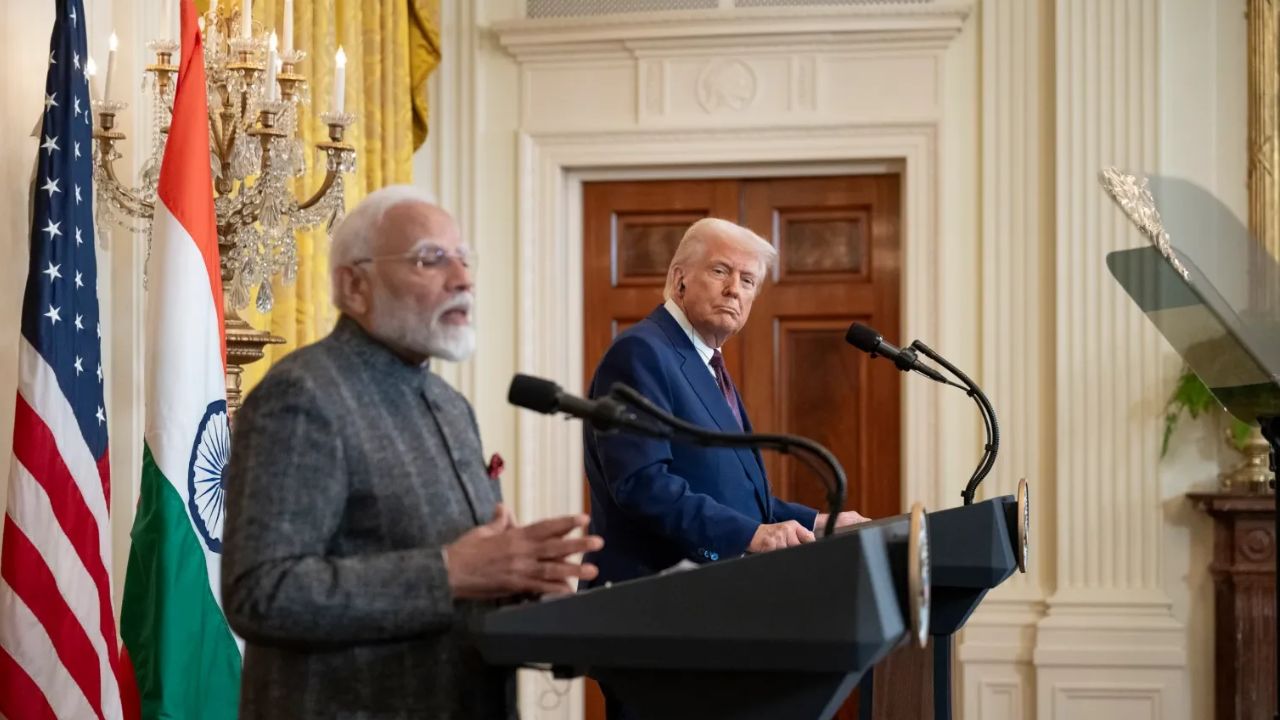
New Delhi wants both governments to resolve trade concerns through the bilateral agreement and improve market access for Indian exporters. The ministry cited a Feb. 2 announcement and a Feb. 7 joint statement as the basis for ongoing negotiations. It did not say whether the latest U.S. proposal would change the talks’ schedule or terms.
The Global Trade Research Initiative criticized the two-tier tariff plan, arguing that it could pressure trading partners to accept agreements that favor the United States. The policy group also warned that an adverse investigation finding could expose Indian exporters to further duties or import quotas, even after a trade deal.
The USTR investigation and the trade negotiations now run alongside each other. The inquiry’s findings could shape whether Washington imposes additional measures, while the proposed rate gives both sides another point to resolve at the negotiating table. For Indian exporters, the central uncertainty is whether a deal would secure the proposed lower rate and shield them from further action.