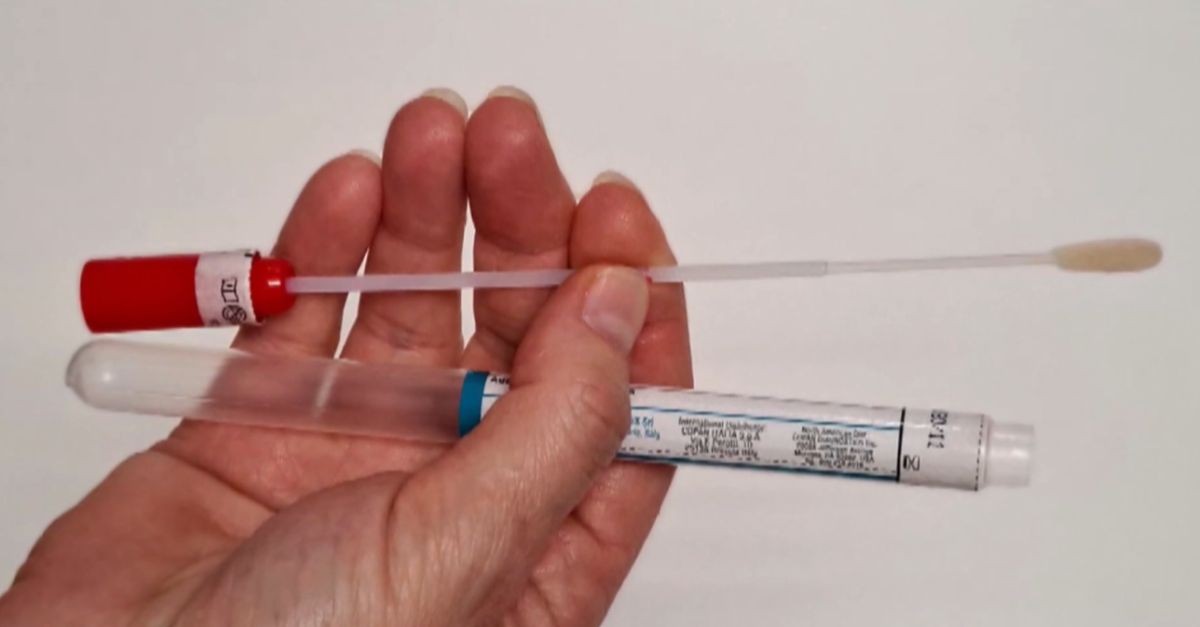
WASHINGTON (Diya TV) — The U.S. The Health Department has endorsed a new way for women to test for human papillomavirus, or HPV, the infection that causes nearly all cases of cervical cancer. The department says self-swabbing is an effective and safe alternative to traditional Pap smears. Starting Jan. 1, 2027, most insurance providers must cover this method.
The announcement follows similar guidance from the American Cancer Society last month. The U.S. Preventive Services Task Force, which advises on preventive services insurance that must be covered, also recommended self-collection in draft guidance in 2024.
Health experts say self-collection could increase screening rates and help prevent cervical cancer, a disease that was once a leading cause of death among American women.
Traditionally, cervical cancer screening takes place in a clinic. A healthcare provider uses a speculum to collect cells from the cervix. Those cells are then tested for HPV or cell changes. Self-collection allows women to collect their own samples using a swab or brush. They can do this at home or in a private area at a clinic.
“Years of research show that self-sampling is effective for early detection and prevention of cervical cancer,” said Erin Kobetz, associate director for community outreach at the Sylvester Comprehensive Cancer Center in Florida.
Self-collection is simple and private. Women can mail their samples to a lab. This makes screening more accessible for people in rural areas or those who face barriers to visiting a clinic.
The new guidelines apply to women at average risk for cervical cancer. Women ages 21 to 29 should get a Pap smear every three years. Starting at age 30, they can be screened using HPV tests with samples collected by a provider or themselves every five years. Women who test positive for HPV must follow up with a clinician. Insurance will cover any additional testing needed to complete the screening process.
About 10% of women screened at average risk will test positive for HPV. Screening rates are fairly high in the U.S., between 75% and 80%, but they have slightly declined since 2005. Rates are lower among certain groups. For example, in 2021, only 55% of recent immigrants and 58% of uninsured women were up to date with cervical cancer screening, according to the American Cancer Society.
Many women avoid cervical cancer screening due to discomfort, fear, or trauma. Others face cultural or logistical barriers. Self-collection can help overcome these challenges. It allows women to take the test in private and at their convenience.
Studies show self-collection increases participation. A trial in the Kaiser Permanente Washington health system found mailed self-collection kits increased screening among overdue patients by more than 14%. In Europe, the method has improved HPV testing rates. In Stockholm, Sweden, the percentage of eligible women tested rose from 75% to 85% in one year after kits were mailed during the COVID-19 pandemic.
Research shows women find self-collection easy and preferable to in-clinic testing. Most say they would use it again and recommend it to friends and family.
“Cervical cancer is a disease we can eliminate in our lifetime,” said Kobetz.
The guidelines do not detail when to stop screening, but the American Cancer Society recommends women continue until age 65. Women can stop after two negative HPV tests at 60 and 65 or three consecutive negative Pap smears every three years, with the final one at 65.
Screening often drops as women age and no longer see an obstetrician or gynecologist regularly. About 20% of cervical cancers occur in women 65 and older. These cancers tend to have worse outcomes. Self-collection offers a way for women to remain current with screening at every stage of life.
Experts say increasing access to HPV testing through self-collection, along with HPV vaccination, could help the U.S. eliminate cervical cancer.
Robert Smith, senior vice president at the American Cancer Society, said widespread screening and vaccination have already cut cervical cancer rates by more than half since the 1970s. But rates have stabilized in recent years, and new strategies are needed to reach more women. Self-collection could be the key to catching the disease earlier, preventing cancer, and saving lives.