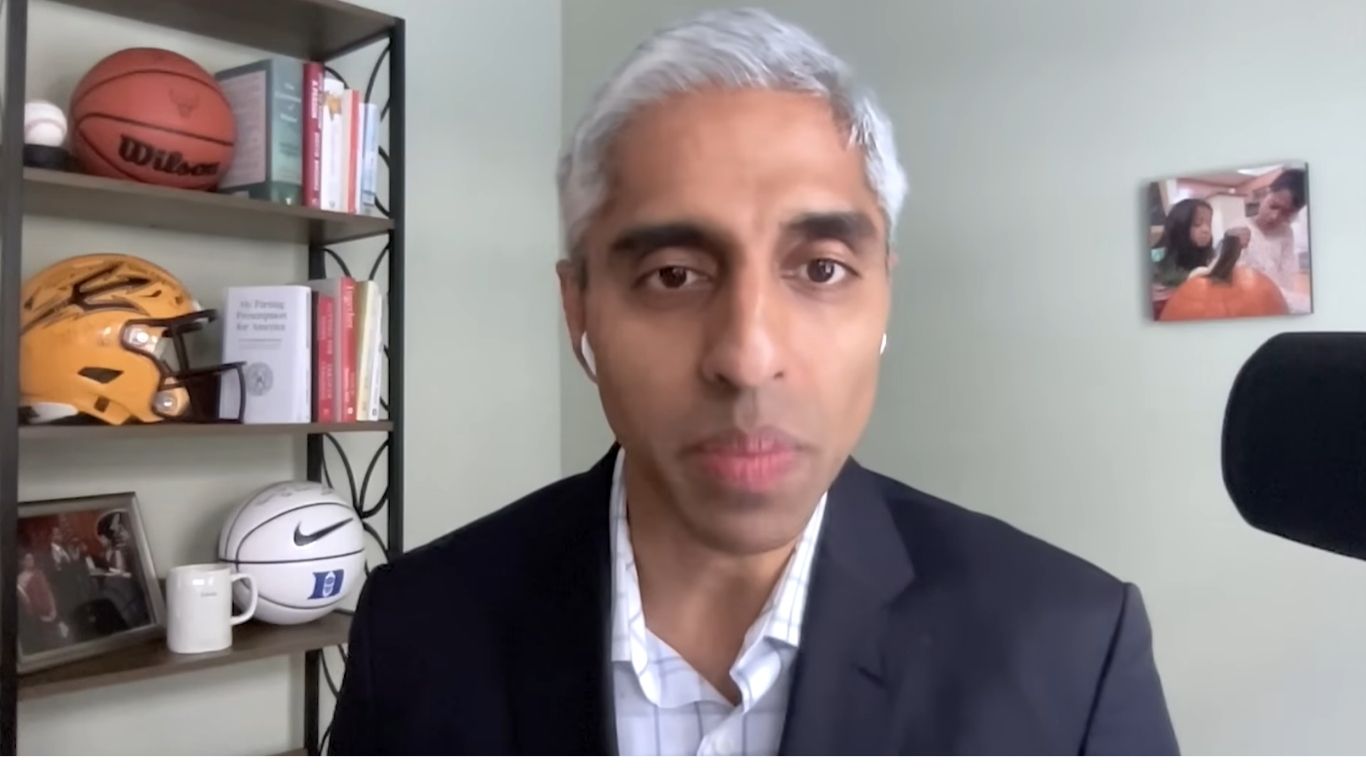
BOSTON (Diya TV) — Former U.S. Surgeon General Vivek Murthy is warning that loneliness, social media, and artificial intelligence are pulling Americans away from real human connections and putting public health at risk.
Murthy, who served under former President Barack Obama and President Joe Biden, said modern technology and online culture are weakening relationships and increasing isolation. He shared those concerns during an interview with WBUR’s “All Things Considered.” Murthy now leads an initiative called The Together Project. He also writes a Substack newsletter and hosts a podcast titled “Staying Human.” Through those platforms, he urges Americans to rebuild community and protect meaningful relationships in the digital age.
Murthy said powerful cultural and technological changes are “chipping away at our humanity.” He pointed to artificial intelligence, social media, and political division as major causes of loneliness and emotional exhaustion. He said many people now spend large parts of their lives online, but often feel worse afterward. Young people, in particular, tell him they struggle to reduce screen time because social media platforms are designed to keep users engaged.
Murthy said constant comparison on social media damages self-worth and creates pressure to appear perfect. He warned that online validation through likes and reposts offers only short-term satisfaction.
“Real relationships are different,” Murthy said. “They allow people to be authentic and accepted for who they are.”
He added that meaningful relationships improve both mental and physical health. Studies have linked strong social connections to lower rates of anxiety, depression, heart disease, and dementia. Social bonds also help people live longer. By contrast, Murthy said chronic loneliness can shorten lifespan and carry health risks comparable to smoking and obesity.
Murthy said solving America’s loneliness crisis will require both personal and systemic change. He called for investments in public spaces, transportation, and workplace policies that make it easier for people to gather and build relationships. He also encouraged people to take small daily steps to reconnect with others. Those actions include calling a friend, helping a neighbor, or creating tech-free time during meals and before bed.
Murthy said even brief moments of connection can make a major difference over time. He believes people must intentionally protect human interaction as AI becomes more common in daily life. He warned that society could move toward a future where machines replace friendships, caregiving, and companionship if people fail to act now.
“That seemed dystopian 10 years ago,” Murthy said. “It is already starting to happen today.”
Murthy said service plays a key role in fighting loneliness and rebuilding self-esteem. He described service as both formal volunteer work and simple acts of kindness. Examples include helping a sick neighbor, supporting a struggling coworker, or volunteering with charities that serve vulnerable groups. He said those actions create meaningful human connections while reminding people that they have value and purpose.
“When people struggle with loneliness for a long time, they can start believing they are broken or unlikable,” Murthy said. “Service helps counter that feeling.”
Murthy believes community support also helps people handle stress and hardship more effectively. He said people can face major crises when they feel connected to others, but even ordinary challenges can feel overwhelming during isolation.
Murthy’s new “Staying Human” podcast will continue those conversations about mental health, loneliness, and social connection. He said podcasting creates a sense of intimacy because listeners often hear conversations without screens or distractions. The podcast and newsletter are part of Murthy’s broader effort to encourage healthier relationships in a fast-changing digital world.