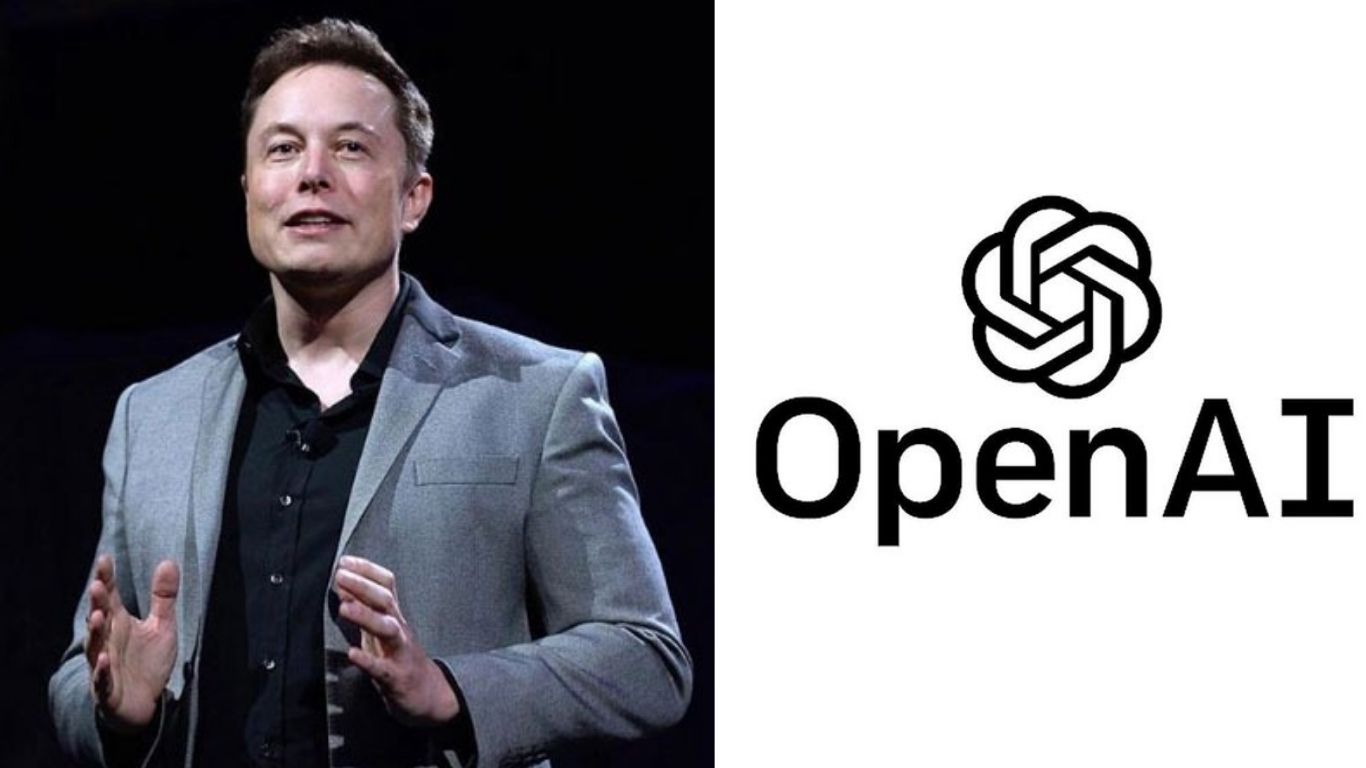
OAKLAND, Calif. (Diya TV) — A federal court on Monday dismissed Elon Musk’s lawsuit against OpenAI and its top executives, ending one chapter of a high-profile legal battle over the future of artificial intelligence and the company behind ChatGPT. The ruling adds another layer in the public feud between billionaire entrepreneur Elon Musk and Sam Altman, two men who once worked together to launch OpenAI in 2015.
A nine-person jury found that Musk waited too long to file the lawsuit and missed the legal deadline under the statute of limitations. The jury reached its decision after about two hours of deliberation.
Judge Yvonne Gonzalez Rogers accepted the advisory jury’s verdict and dismissed Musk’s claims. The case centered on Musk’s accusation that OpenAI abandoned its original nonprofit mission and shifted toward profit-driven artificial intelligence development without his approval.
Musk helped create OpenAI in 2015 and invested about $38 million during the company’s early years. He argued that OpenAI promised to develop artificial intelligence for the benefit of humanity rather than private profit. In the lawsuit, Musk claimed Altman and OpenAI co-founder Greg Brockman enriched themselves as OpenAI’s value surged after the success of ChatGPT.
During the trial, Brockman testified that his personal stake in OpenAI is worth about $30 billion. Musk also argued that OpenAI violated a charitable trust by moving toward a for-profit structure. He sought damages that would support OpenAI’s nonprofit arm and demanded Altman’s removal from the company’s board.
At one point during testimony, Musk told jurors the case was straightforward.
“It’s not OK to steal from a charity,” Musk said.
OpenAI rejected Musk’s allegations throughout the three-week trial in federal court in Oakland, California. Company lawyers argued that OpenAI never promised to remain a nonprofit forever. They said Musk understood the company’s structure and became upset after failing to gain greater control over the organization.
OpenAI also accused Musk of trying to weaken the company while building his own artificial intelligence startup, xAI, which launched in 2023. Lawyers for OpenAI described the lawsuit as an attempt to slow a major competitor in the growing AI industry.
The trial highlighted how rapidly OpenAI has grown since launching ChatGPT. The company is now valued at about $852 billion and could pursue one of the largest initial public offerings in tech history.
The courtroom battle offered a rare inside look at the collapse of the relationship between Musk and Altman. Jurors heard testimony from several major technology figures, including Satya Nadella and former OpenAI board members Helen Toner and Tasha McCauley. Toner and McCauley discussed the board’s controversial decision to remove Altman as CEO in 2023. OpenAI reinstated Altman only days later, and both women later left the board.
Altman testified that he became concerned about Musk’s efforts to gain more authority inside OpenAI during its early years. “Part of the reason we started OpenAI is we didn’t think AGI could be under the control of any one person,” Altman told jurors.
The company’s founders originally focused on developing artificial general intelligence, often called AGI, which refers to AI systems that could surpass human intelligence in many tasks. Altman said Musk’s withdrawal of financial support placed OpenAI in a difficult position and damaged their relationship.
Near the end of his testimony, Altman described the personal toll of the dispute.
“I felt like he had abandoned us,” Altman said. “It’s been an extremely painful thing for me.”
The court’s decision represents a major legal setback for Musk as competition in the artificial intelligence industry intensifies.
Musk announced on X after the decision that he plans to appeal.