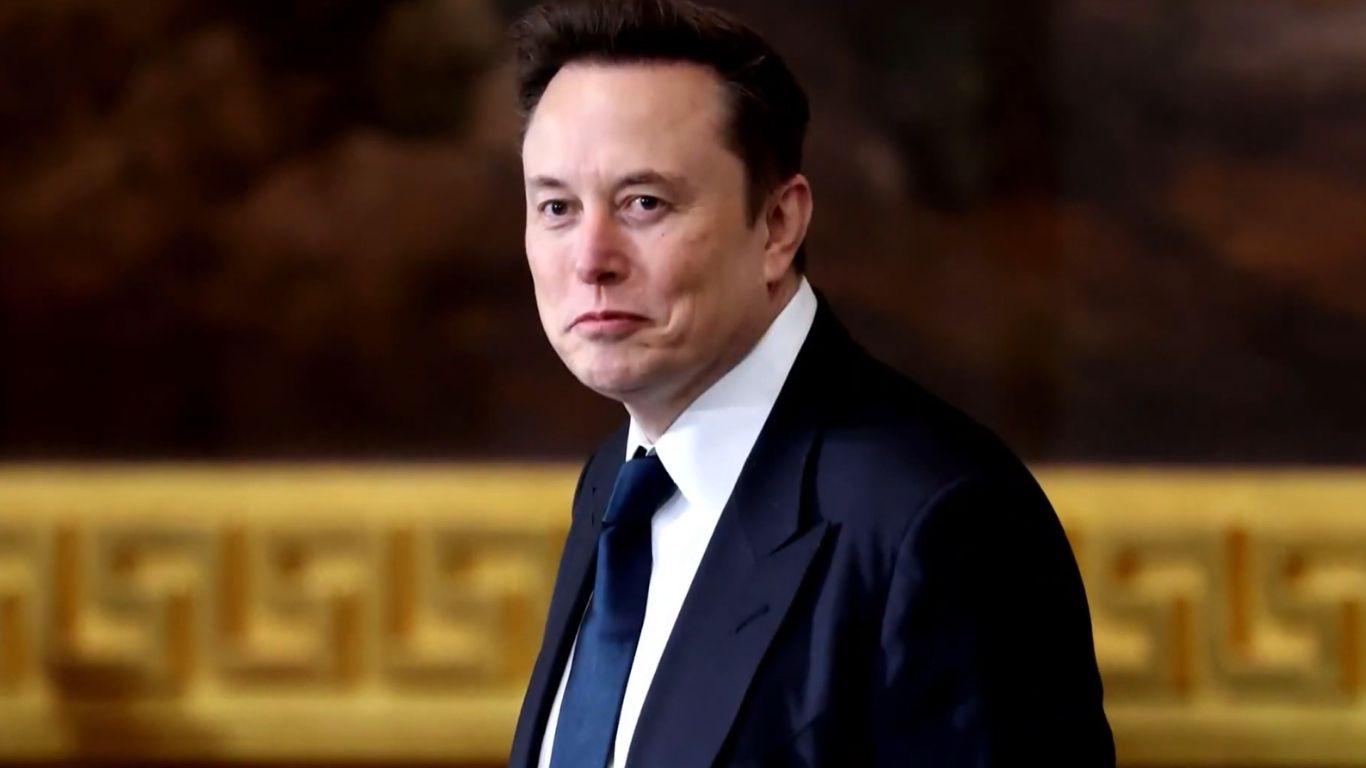
WASHINGTON (Diya TV) — The legal battle over billionaire Elon Musk and his role in reshaping the federal government has entered a new phase. Lawyers say they cannot locate him to answer questions under oath. The dispute centers on Musk’s involvement in the Trump administration’s controversial Department of Government Efficiency, known as DOGE.
Last spring, Musk played a visible role in Washington. He helped Donald Trump’s administration overhaul federal agencies. Critics say those changes led to widespread job losses and weakened public services. Supporters argue the effort cut waste and saved billions. Now, multiple lawsuits challenge the legality of those actions. At the center of the cases is a key question. Did Musk exercise government power without proper authority?
Plaintiffs claim Musk helped dismantle agencies like the U.S. Agency for International Development, or USAID. They argue this violated the Constitution’s Appointments Clause. That rule requires officials with significant authority to receive Senate confirmation.
Efforts to question Musk have stalled. Process servers tried to deliver legal papers to him at least 14 times. They visited properties in Texas, including his home in West Lake Hills and another site near Brownsville. Each attempt failed. Guards blocked access. Staff said Musk was not present. In some cases, individuals refused to confirm their identity. One person even said no one by that name lived there. Lawyers also tried to reach Musk through his legal team. They say those efforts also failed.
The U.S. Department of Justice has stepped in to defend Musk. Government lawyers argue he should not face a deposition. They cite legal precedent that protects senior officials from being questioned. That argument stems from a Supreme Court case involving former Vice President Dick Cheney. Courts have used that precedent to limit depositions of top officials. The Justice Department says the same protection should apply to Musk. However, critics say the situation is different. Musk was not a confirmed official. His role in DOGE remains unclear. He also no longer works in government.
Lower courts have shown mixed views. Some judges ruled that Musk must answer questions. They say plaintiffs need his testimony to understand who made key decisions. In February, U.S. District Judge Theodore Chuang rejected claims that a deposition would interfere with presidential duties. He said the focus is on Musk’s actions, not his advice to the president. But an appeals court later paused that order. It said plaintiffs must first seek information from other sources. That decision has delayed the discovery process for more than a year.
DOGE’s actions had wide effects. Government data shows more than 400,000 federal workers have left since Trump took office. Many departures occurred early in the administration. The cuts affected agencies tied to daily life. At the Environmental Protection Agency, staffing dropped sharply. Some communities lost tools to monitor pollution.
Housing agencies also faced setbacks. Advocacy groups report delays in handling discrimination complaints. Some cases went unanswered due to staff shortages. International aid programs suffered as well. Legal advocates say reduced funding disrupted medical and emergency services in vulnerable regions.
Legal experts say the case could set a major precedent. It may define how far protections for government officials extend. It could also clarify limits on unofficial advisers like Musk. Some critics warn that the Justice Department’s position stretches existing law. They argue it could create broad immunity for people who never held formal office. Others say the courts must protect officials from excessive legal demands. They believe forcing depositions could disrupt government operations.
The lawsuits continue. Plaintiffs are gathering evidence from other officials. They hope to prove who directed key decisions inside DOGE. Meanwhile, the Justice Department has asked the Supreme Court to intervene again. The high court may decide whether discovery can proceed. The outcome remains uncertain. But one issue stands out. Courts must decide whether Musk will ever testify under oath about his role in reshaping the federal government.
For now, that question remains unanswered.