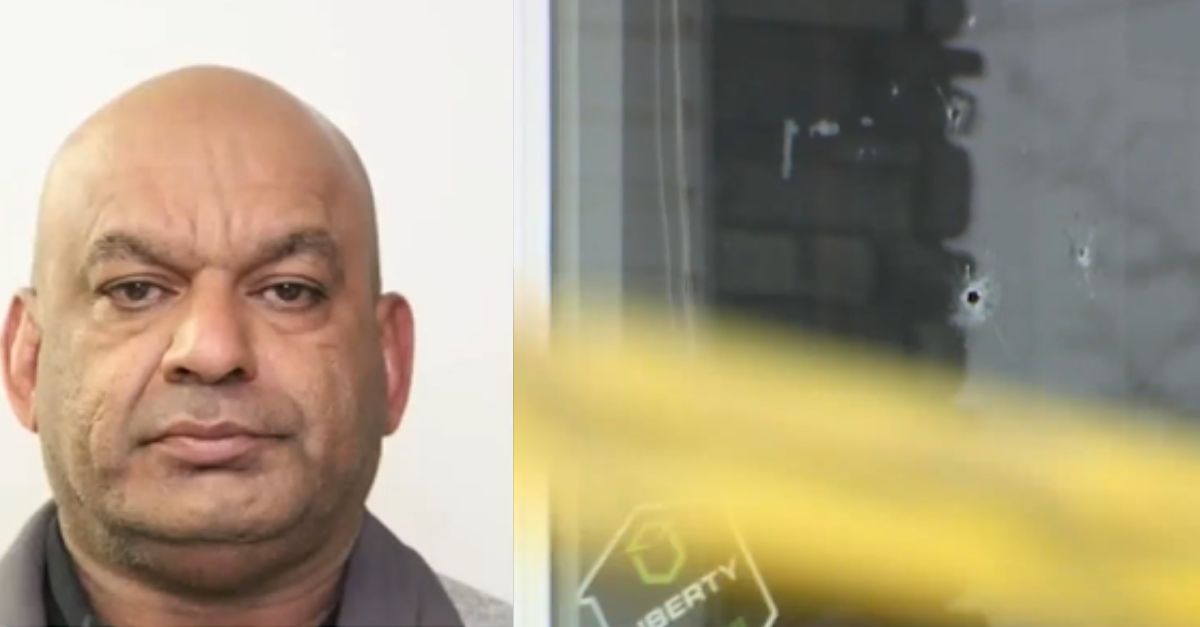
EDMONTON, Canada (Diya TV) — Edmonton’s police chief is seeking to fire a veteran detective who leaked case files to the media about notorious landlord Abdullah Shah, a slain Pakistani immigrant to Canada with a long rap sheet. The decision now rests with a disciplinary hearing officer who must determine whether the officer acted as a whistleblower or as a rogue employee.
Detective Daniel Behiels is nearing the end of a Police Act hearing after admitting he leaked gigabytes of confidential files to CBC reporter Janice Johnston. The files detailed years of failed attempts to prosecute Shah, a convicted mortgage fraudster and alleged drug dealer who was shot dead outside his home in 2022. Behiels pleaded guilty to breach of confidence, insubordination, and other misconduct counts last summer.
Lawyers for Chief Warren Driechel argue Behiels broke the rules without justification and should lose his job. Behiels’ lawyer says the case should be dismissed due to lengthy delays and insists his client acted out of moral duty, not malice.
Behiels worked on several investigations involving Shah and his associates, including Project Fisk, a joint effort with the Canada Revenue Agency. The case collapsed without charges. Shah’s lawyers later accused the Edmonton Police Service of running a “witch hunt.”
Behiels blamed the failure on what he described as improper actions by EPS lawyers, who pursued unrelated disciplinary charges against the lead investigator, Paul Kelly. Behiels said he believed those actions derailed the probe. Days after learning Project Fisk would not result in charges, he leaked the materials to the CBC.
In a five-page letter to then–police chief Dale McFee in 2021, Behiels claimed Shah had deep ties to crime in Edmonton’s inner city. He said Shah supported members of the Redd Alert street gang with housing and drugs, and he alleged that 10% of the city’s homicides between 2016 and 2018 occurred in properties owned or controlled by Shah.
The letter also raised allegations against senior EPS members. Behiels said Shah enjoyed an “untouchable” status because of an alleged close relationship with Supt. Ed McIsaac. He said he found text messages between the two during an investigation into a murder plot linked to Shah. McIsaac, who retired in 2020, denied any wrongdoing and called Behiels a disgruntled employee.
Calgary police later reviewed Behiels’ accusations. They interviewed 28 witnesses and found no evidence of misconduct, a conclusion Behiels has publicly questioned.
Chief’s counsel Mark Huyser-Wierenga disputes the claim that Behiels acted as a whistleblower. He says Behiels ignored proper internal channels and chose to leak confidential material because he felt frustrated, not because he wanted to protect the public. He also argues Behiels relied on rumours and rejected the findings of outside investigators.
“His moral compass is calibrated inaccurately,” Huyser-Wierenga told the hearing.
Behiels’ lawyer, David Wolsey, says the detective had an “impeccable” service record and took care to safeguard informants while sharing files. Wolsey says the EPS delayed approvals for outside work during Behiels’ suspension, which cost him job opportunities and placed unfair pressure on him to quit.
“It’s going to send a message to the public — that those who expose wrongdoing or corruption within the police service, they’re going to be punished,” Wolsey said.
EPS denies any attempt to push Behiels out. Officials say they approved several outside employment requests and granted broad permission last year.
Hearing officer Fred Kamins, a retired RCMP officer, will decide whether Behiels loses his job or receives a lesser penalty, such as an unpaid suspension. Kamins said he hopes to issue a ruling early next year.
The case has drawn public interest because it touches on police transparency, internal accountability, and whistleblower protections. It also highlights the long shadow cast by Shah, whose criminal past and violent death continue to raise questions in Edmonton.
Whether Behiels is seen as a truth-teller or a rogue detective will shape the outcome — and may influence how future officers handle concerns about misconduct inside the force.