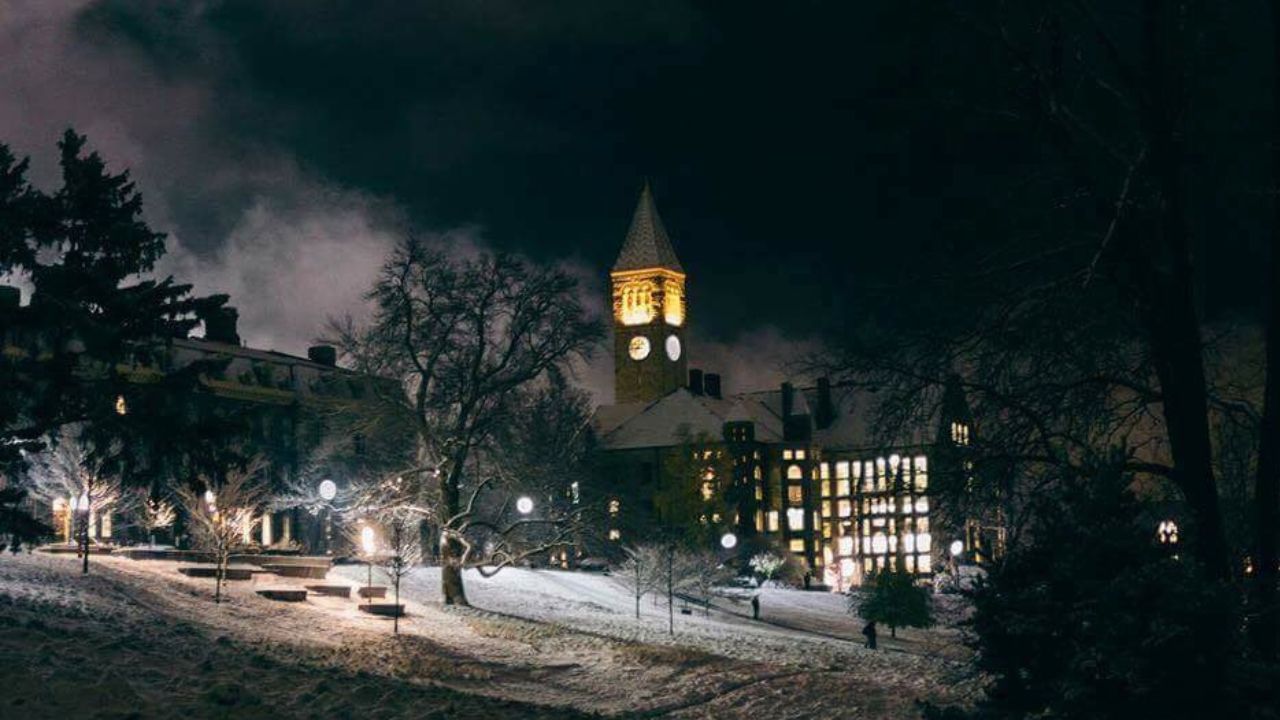
WASHINGTON (Diya TV) — A reopened investigation into alleged sexual assault at Cornell University has drawn attention to the separate campus and criminal proceedings students may navigate after reporting an assault.
Tompkins County District Attorney Matthew Van Houten said prosecutors would present evidence to a grand jury after a former student filed a civil lawsuit alleging fraternity members drugged and sexually assaulted her. Cornell has defended its investigation and disciplinary response and agreed to an outside review.
Campus disciplinary proceedings and criminal cases follow different rules and can produce different outcomes.
Mary, a student whose name the BBC changed to protect her identity, said her college expelled the man she accused of assaulting her after a fraternity party. Police did not bring charges, citing insufficient evidence. Her case does not involve Cornell.
She told the BBC that pursuing the complaint while adjusting to college left her emotionally exhausted. She said she had to gather evidence and advocate for herself throughout the process.
Zoey Scheinblum-Brewer, a policy coordinator at the Rape, Abuse & Incest National Network, told the BBC that survivors can struggle to navigate university and criminal investigations simultaneously because the systems have different purposes, timelines and possible outcomes.
Title IX prohibits sex discrimination in federally funded education programs. Under the Education Department’s applicable rules, schools must respond promptly to covered reports of sexual harassment. A Title IX coordinator must explain the complaint process and discuss supportive measures, even when a student does not file a formal complaint.
Schools can impose disciplinary sanctions but cannot sentence someone to prison. Their proceedings also use a different standard of evidence from criminal trials, which require proof beyond a reasonable doubt for a conviction.
Scheinblum-Brewer said campus support can include academic accommodations and changes to class arrangements. Mary said the university process became her only avenue for disciplinary action after police declined to pursue her case.