NEW DELHI (Diya TV) — A former U.S. lawmaker has sparked fresh controversy over the H-1B visa program, alleging widespread fraud and calling attention to the high volume of applications processed in Chennai. His remarks have reignited long-standing debates about the system, Indian participation, and the program’s impact on the American workforce.
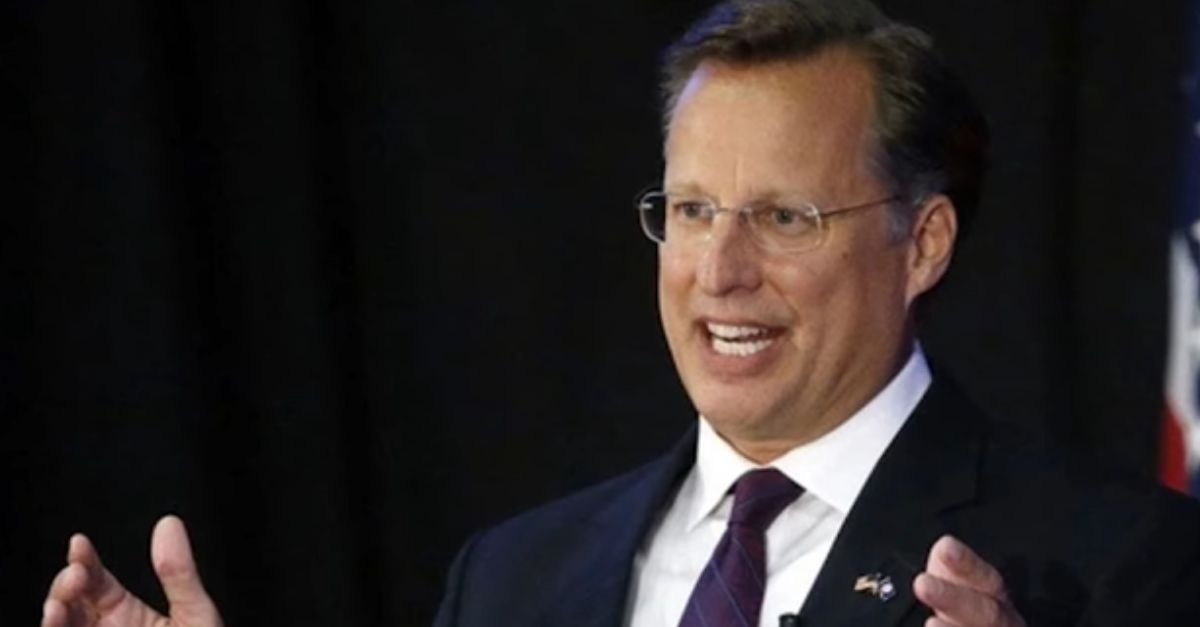
Dave Brat, an economist and former Republican congressman from Virginia, made the claims on Steve Bannon’s “War Room” podcast on Nov. 24. He argued that India’s heavy presence in the H-1B system shows that the program has become vulnerable to misuse. Brat pointed to Chennai’s processing numbers to support his argument and said they raise serious questions about how the program functions today.
Brat said the Chennai district handled about 220,000 H-1B applications in 2024. He claimed the number is far above the annual congressional cap of 85,000 visas. He said this gap suggests the system is being overloaded. He told listeners that the data “shows the scam” and warned that the high volume signals a deeper structural failure.
Brat also highlighted national origin figures tied to the program. He noted that Indian citizens make up about 71% of H-1B recipients, compared with 12% from China. He said this imbalance indicates that something is “going on” with how applications are submitted and approved. His remarks come as Indian IT and tech workers continue to lead the demand for these visas, which remain vital for U.S. companies seeking specialized talent.
Chennai is one of the busiest H-1B processing hubs worldwide. The consulate there handles applicants from Tamil Nadu, Karnataka, Kerala, and Telangana. The region’s strong tech and engineering sectors help drive high application numbers each year. Brat said the volume reflects what he sees as deep problems in the H-1B system and warned that U.S. workers face growing pressure as a result.
Brat’s comments revived claims made years ago by Mahvash Siddiqui, an Indian American Foreign Service officer who worked at the Chennai consulate from 2005 to 2007. She reviewed more than 51,000 non-immigrant visa applications during her tenure. Siddiqui previously said that 80% to 90% of the Indian H-1B cases she saw involved fake credentials, counterfeit documents, or questionable intermediaries. Her estimates gained attention at the time and resurfaced as Brat cited similar concerns.
Brat said the system allows applicants to present themselves as skilled workers even when their backgrounds are unclear. He warned that the visas affect American families by changing hiring patterns and lowering opportunities for U.S. employees. He told listeners that fraudulent cases “stole their future” and said companies rely on the program in ways that hurt domestic wages.
The new dispute comes as U.S. policymakers review employment-based immigration programs. The debate over H-1B visas often centers on whether employers use them to meet genuine skill shortages or to replace American workers with lower-cost labor. Brat said the current structure “harms U.S. workers,” while supporters of the program argue it keeps the country competitive in global technology and research fields.
The issue also affects U.S.–India relations. India continues to lead global demand for H-1B visas, and the program remains a key point in diplomatic and trade talks between the two nations. Any major policy shift could reshape the flow of skilled Indian workers to the United States.