EDMONTON, Canada (Diya TV) — Alberta’s top court has ruled that requiring lawyers to swear an oath of allegiance to the King is unconstitutional. The decision could lead to changes in the province’s legal system. Lawyers may no longer have to choose between their faith and their career.
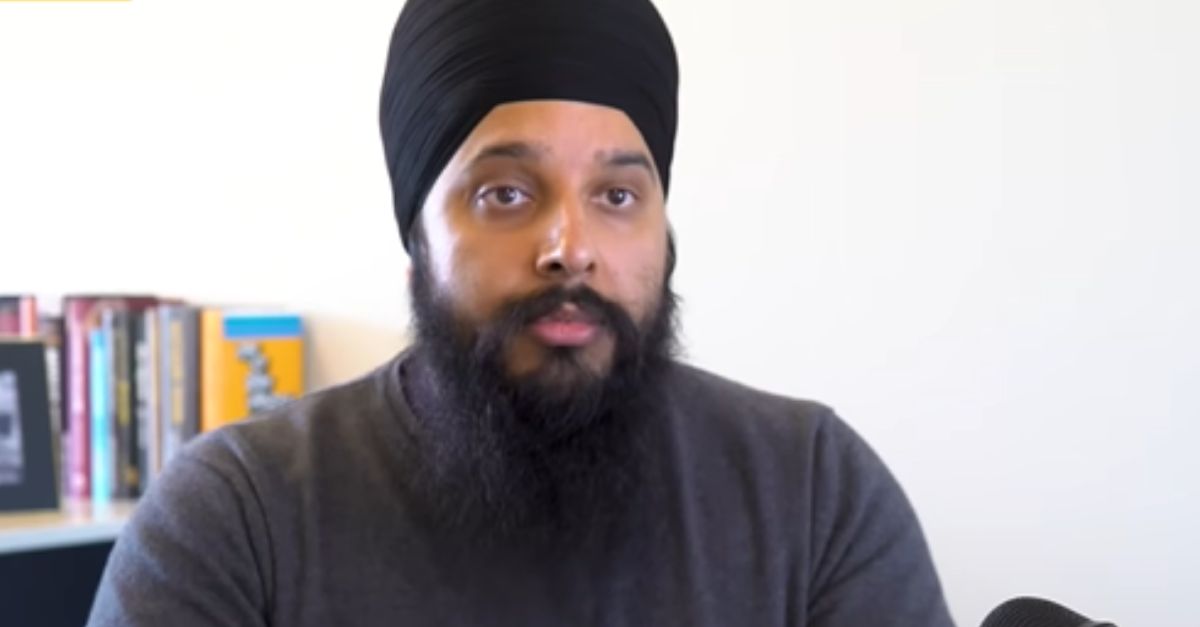
The Alberta Court of Appeal released the ruling on Tuesday. It follows a long legal battle led by Prabjot Singh Wirring, a Sikh lawyer who challenged the oath requirement. He argued that the oath violated his religious freedoms.
Mr. Wirring first sued the Alberta government in June 2022. He said the oath conflicted with his faith because Sikhs already make a binding oath to Akal Purakh, the divine being in Sikh tradition. Taking a second oath to the King, he argued, would compromise his religious identity.
Alberta had argued that the oath is purely symbolic. A lower court agreed with the province in 2023, dismissing Mr. Wirring’s case. But the Court of Appeal found that the decision was flawed. A three-judge panel ruled that the lower court made “palpable and overriding errors.”
“The requirement to take the Oath of Allegiance forced the appellant to choose between following his religious convictions or practicing law in his home province: he could not have both,” the court said.
Chief Justice Ritu Khullar, Justice Bernette Ho, and Justice Joshua Hawkes issued the unanimous ruling. They outlined three ways the Alberta government could address the constitutional problem. The government could remove the oath, make it optional, or change its wording.
The decision highlights Alberta as an outlier. Most other provinces and territories in Canada have already made the oath optional or removed it entirely. The ruling may prompt Alberta to align with national standards.
The Law Society of Alberta, the body that regulates lawyers, has supported making the oath optional. Chief Executive Elizabeth Osler said the society will follow the court’s direction to ensure compliance with the Charter of Rights and Freedoms. Alberta Justice Minister Mickey Amery’s office said the government is reviewing the ruling but offered no additional comment. The province has 60 days to seek an appeal from the Supreme Court of Canada.
For Mr. Wirring, the legal fight was challenging. He said it delayed his career and created financial burdens. He was admitted to the Saskatchewan bar in 2023, where the oath is not mandatory. This allowed him to join the Alberta bar through an interprovincial transfer. Despite the difficulties, Mr. Wirring said he does not regret challenging the law. He wanted to protect the rights of marginalized communities and prevent others from facing the same conflict between faith and profession.
“Now, to be in a position where I was able to contribute to actually making a change and fighting against an archaic law like the oath of allegiance, to the point where nobody else is going to be put in my position again, is incredibly gratifying,” he said.
Avnish Nanda, Mr. Wirring’s lawyer, said the case was not easy. He praised his client for taking significant personal and professional risks. The lawyer said they are ready to continue the fight if the Supreme Court becomes involved. The ruling is being viewed as a major win for religious freedom in Alberta. It sets a precedent that could influence other laws requiring loyalty oaths. Legal experts say it may encourage provinces to review similar rules to ensure they do not infringe on individual rights.