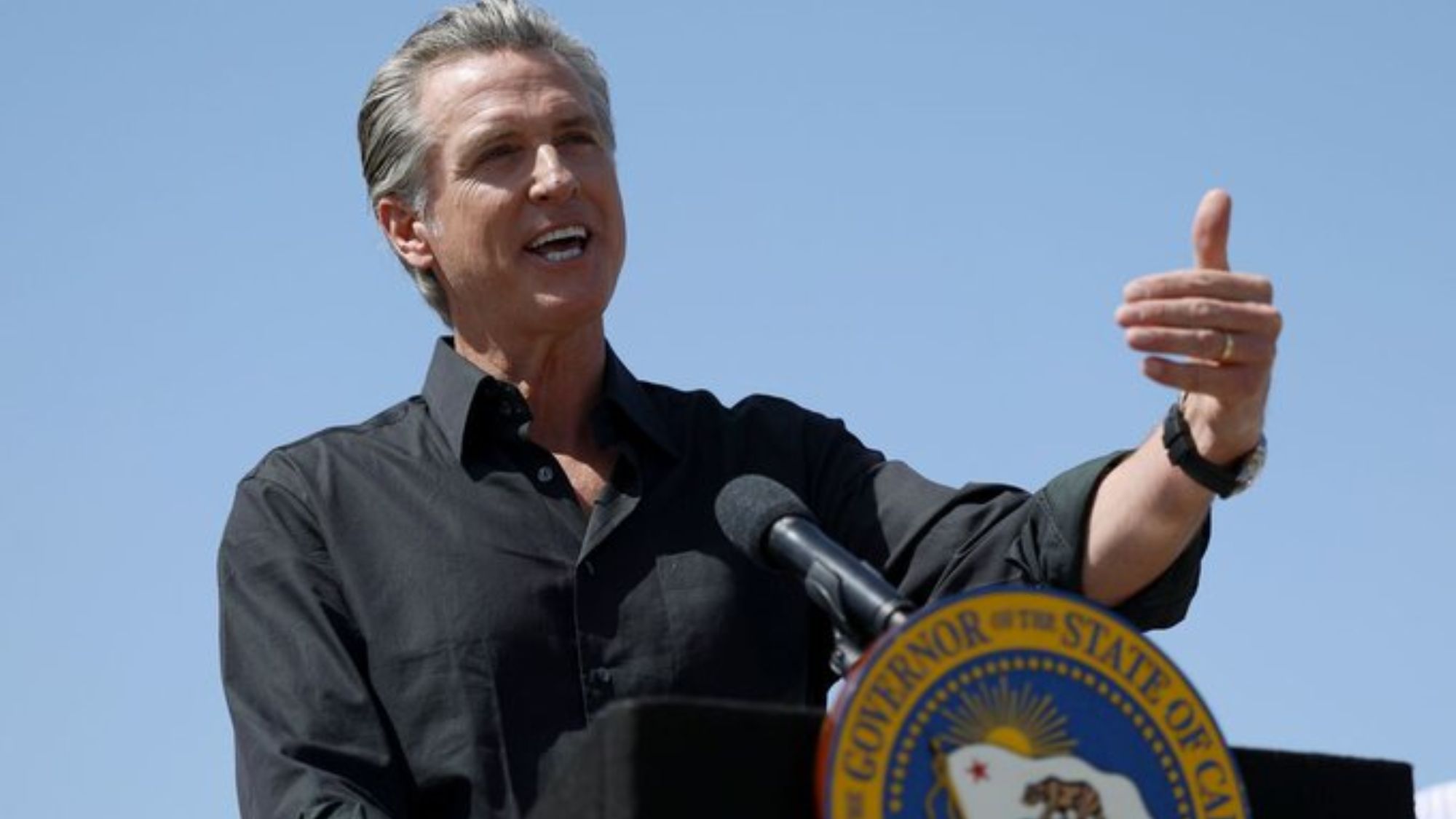
SACRAMENTO, Calif. (Diya TV) — Gov. Gavin Newsom on Wednesday proposed a plan to roll back parts of California’s ambitious health care expansion for undocumented immigrants, citing the state’s worsening budget deficit and the rising costs of Medi-Cal, the state’s Medicaid program.
The proposal marks a significant retreat from Newsom’s longtime push for universal health care, including for residents without legal immigration status. Under his new budget plan, the state would freeze enrollment of undocumented adults into Medi-Cal beginning January 2026 and introduce a $100 monthly premium for those already enrolled starting in 2027. The administration estimates these changes would save California $5.4 billion through fiscal year 2028-29, according to figures shared in the governor’s budget presentation.
“This is a difficult but necessary step to ensure fiscal stability and preserve the long-term viability of Medi-Cal for all Californians,” Newsom said in a statement.
California is grappling with a projected $45 billion budget shortfall, which Newsom has partially blamed on decreased tax revenues, including a $16 billion drop tied to economic instability and fallout from former President Donald Trump’s trade policies — a trend Newsom has dubbed the “Trump Slump.”
The budget crunch comes as federal officials under President Trump’s administration increase pressure on Democratic-led states like California to reduce benefits for undocumented immigrants. On Monday, Homeland Security Secretary Kristi Noem announced a separate California cash aid program, declaring, “If you are an illegal immigrant, you should leave now. The gravy train is over.”
Newsom’s latest move reflects a broader reckoning within California’s progressive leadership. Medi-Cal’s expansion to all low-income residents regardless of immigration status — finalized in 2024 to include undocumented adults aged 26 to 49 — has cost the state significantly more than anticipated. The administration expected $6.4 billion in costs, but actual expenditures exceeded $9.1 billion, largely due to higher-than-expected enrollment and prescription drug costs.
“There was so much fanfare around the 2024 expansion to the 26-to-49 age group,” said Paulette Cha, a research fellow at the Public Policy Institute of California (PPIC). “This was extremely well publicized,” leading to higher-than-expected participation.
Although Newsom and Democratic lawmakers have long justified the expansion as a moral and practical imperative — arguing it’s cheaper and more humane to provide routine care rather than rely on emergency services — the costs have sparked criticism from Republicans who say the state’s benefits are too generous.
Support for covering undocumented immigrants has also declined among voters. A 2021 PPIC survey showed 66% of Californians backed providing health coverage to undocumented residents, but by 2023, that number had dropped to 55%. A more recent poll by the Institute of Governmental Studies at the University of California, Berkeley, found stronger support for covering undocumented children than adults.
Newsom’s proposal will now head to the state legislature, which must pass a final budget by June. Lawmakers will weigh whether to adopt the freeze and cost-sharing measures or seek alternatives.
Coverage for undocumented immigrants isn’t the only strain on the Medi-Cal budget. Rising prescription drug prices and a surge in senior enrollees have also contributed to the deficit. But the undocumented population’s enrollment and associated costs have drawn the most political scrutiny.
California’s bold expansion of health benefits to undocumented residents was the first of its kind in the nation and was intended to serve as a model for other Democratic-led states. Now, some observers suggest the state’s experience may cause others to proceed more cautiously.
“California did a really big, bold experiment,” Cha said. “Other states may look to its experience and think maybe we’ll just try to be a little bit more cautious on budgeting.”