SPOKANE (Diya TV) — The arrest of a U.S. Army veteran in Washington state has raised new concerns about free speech and government overreach.
Bajun Mavalwalla II, 35, was arrested in Spokane in July after joining a protest against Immigration and Customs Enforcement. Federal prosecutors charged him with conspiracy to impede or injure officers. This charge came more than a month after the June 11 demonstration that damaged a government vehicle.
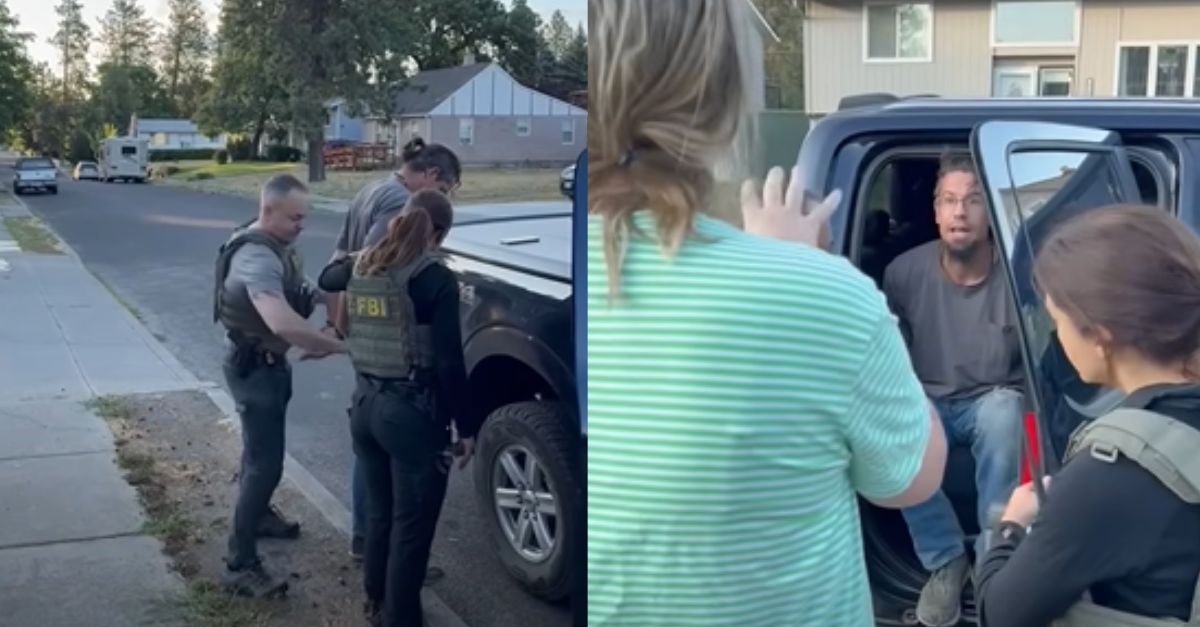
Authorities say protesters smashed the windshield of a federal van and slashed its tires. More than two dozen people were arrested at the scene, but Mavalwalla was not among them. Instead, federal agents arrived at his home on July 15, the morning he was preparing to move into a new house.
Cell phone video taken by his father shows the former sergeant in handcuffs, smiling in disbelief as agents led him away. “This is not how I planned to spend my moving day,” Mavalwalla said in the video.
Mavalwalla served in Afghanistan, where he survived a roadside bomb blast during a special operations mission. He later earned a degree in sustainable communities at Sonoma State University using his GI Bill. Friends and family describe him as someone dedicated to service and nonviolent protest.
The protest in Spokane targeted an ICE transport bus that activists believed was carrying two Venezuelan immigrants who were legally seeking asylum. Demonstrators linked arms and blocked the gate of a federal facility. A short video posted online shows Mavalwalla briefly jostling with an officer before joining others in the blockade.
Prosecutors allege Mavalwalla conspired with others to stop federal officers. He pleaded not guilty in federal court. If convicted, he faces up to six years in prison and a $250,000 fine.
His arrest has sparked outrage among veterans, legal experts, and community supporters. Kenneth Koop, a retired Army colonel who trained Afghan forces alongside Mavalwalla, questioned the government’s approach. “Here’s a guy who held a top-secret clearance and served in combat,” Koop said. “To see him treated like this really sticks in my craw.”
Legal scholars warn the case could mark a shift in how the government handles dissent. Federal conspiracy laws are broad and require only proof of intent and agreement. Prosecutors do not need to show that Mavalwalla personally struck an officer or damaged property.
“It seems like what we have here is an issue of selective prosecution,” said Robert Chang, a law professor at the University of California, Irvine. He said the case could have a chilling effect on free speech and peaceful protest.
Mavalwalla’s family has deep roots in both the U.S. military and activism. His father, Bajun Mavalwalla I, earned three Bronze Stars for service in Iraq and Afghanistan. His mother, Ellyn, also served in the Army. Both parents met in college before enlisting.
The family also traces ties to Mahatma Gandhi. Mavalwalla’s great-great-granduncle worked with Gandhi in South Africa during the fight against British colonial rule. After Gandhi’s assassination, the family received a piece of his burial shroud, which they still hold today.
Supporters say that heritage shaped Mavalwalla’s belief in peaceful resistance. Days after the protest, his mother texted him, “Channel your inner Gandhi.” He replied, “Always non-violence.”
Beyond his service, Mavalwalla gained recognition for his efforts to help Afghans after the U.S. withdrawal in 2021. He raised more than $150,000 to assist families in danger, helping them secure documents, medical care, and safe passage.
Community leaders in Spokane now worry his arrest is meant to send a message. The activist group 50501 Movement, Washington State, said in a statement that the government wants to silence dissent. “This is not about public safety,” the group wrote. “This is about sending a message that if you speak up, if you dissent, if you challenge injustice, the government will come for you.”
For now, Mavalwalla is free while awaiting trial. A judge even permitted him to take a family trip to Disneyland. But his case remains a flashpoint in the debate over immigration enforcement and civil liberties.
His father fears federal authorities targeted him because of his name and heritage. “They fixated on the demonstrator with a funny name,” he said. “I worry that our country is being taken over by fascists. But I also believe the promise of America will endure.”
As the trial nears, the case of Bajun Mavalwalla II continues to raise questions about protest, patriotism, and the future of free speech in America.