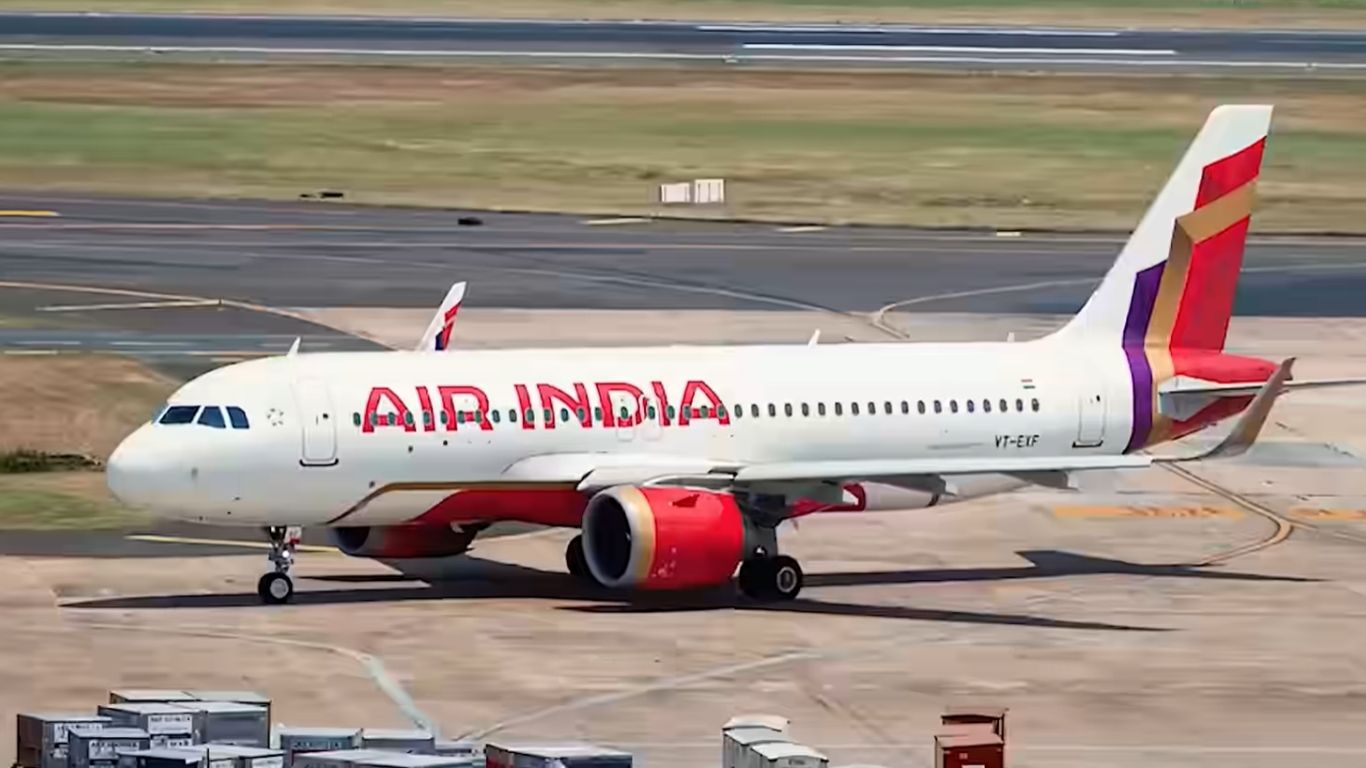
NEW DELHI (Diya TV) — Air India Ltd. has reported a much larger annual loss than expected, exceeding 220 billion rupees ($2.4 billion), according to people familiar with the matter. The sharp loss has forced the airline to seek urgent financial support from its key shareholders as it navigates a series of operational and external challenges.
The loss for the fiscal year ending March 31 significantly surpassed an earlier internal estimate of about $1.6 billion reported by Bloomberg News in January. The widening gap highlights the growing pressure on the airline’s finances. Several major disruptions contributed to the downturn. These include a fatal crash involving a Boeing Co. 787 Dreamliner, geopolitical tensions, and airspace restrictions that increased operational costs.
Air India’s majority owner, Tata Group, along with minority stakeholder Singapore Airlines Ltd., is currently in discussions to inject fresh capital into the airline. Singapore Airlines holds a 25.1% stake in Air India following the 2024 merger with Vistara.
Sources said the size of the potential investment remains unclear and may fall short of what the airline needs. This could push Air India to explore additional funding options, including external financing. Neither Tata Group nor Air India responded to requests for comment, while Singapore Airlines declined to provide details.
The financial strain comes at a critical time for the airline. CEO Campbell Wilson recently announced plans to step down later this year. His departure adds uncertainty to an already challenging period.
Air India has also struggled with service quality and operational efficiency. India’s aviation regulator recently ranked the airline poorly in its annual safety audit. Despite ambitious expansion plans, the airline has failed to significantly improve customer experience or boost revenue yields. Meanwhile, Tata Group Chairman Natarajan Chandrasekaran faces pressure to turn around the airline. Reports suggest that improving Air India’s financial performance is a key condition for his continued leadership.
Air India began the fiscal year on a strong note, reporting operating profits in early April 2025. However, conditions quickly worsened. In May, Pakistan closed its airspace to Indian carriers after a brief conflict. This forced airlines, including Air India, to take longer routes to Europe and the United States. These detours increased fuel consumption and operational costs.
The situation worsened in June when a Boeing Dreamliner crash killed more than 240 people. The tragedy led Air India to reduce both international and domestic flights, further affecting revenue. Global political factors also played a role. Policies introduced by Donald Trump, including tariffs on Indian goods and tighter visa rules, impacted travel demand and airline earnings.
Air India has also faced significant disruption in the Middle East, a region that accounts for about 16% of its total capacity. Ongoing conflict has forced the airline to suspend or reroute many flights. These disruptions have affected key routes to Europe and North America. Flights now take longer paths, increasing fuel costs at a time when global jet fuel prices remain high. The combined impact of reduced capacity, longer routes, and rising costs has strained the airline’s operations.
Air India had set a goal to break even operationally by the end of the fiscal year. However, a series of unexpected crises derailed that plan. The airline now faces the dual challenge of stabilizing its finances and rebuilding its reputation. Industry analysts say that timely financial support from shareholders will be critical.
At the same time, Air India must improve service quality, manage costs, and restore customer confidence. Without these changes, the airline may continue to struggle in an increasingly competitive global aviation market.