BROOKLYN (Diya TV) — U.S. District Judge Nicholas Garaufis approved federal prosecutors’ request to dismiss the charges against Adani.
The judge also examined whether Adani’s promise to invest $10 billion in the United States influenced the decision. Adani made that pledge in November 2024.
Garaufis said he found no evidence that the investment promise affected the Justice Department’s decision. Still, he criticized the way Principal Associate Deputy Attorney General Trent McCotter handled the case.
According to Garaufis, McCotter worked with Adani’s defense lawyers before deciding to drop the charges. He did so without seeking input from prosecutors and federal agents who had investigated the case.
Garaufis called the process concerning. He said McCotter appeared to replace the views of numerous federal officials with his own judgment.
In a July 4 court filing, McCotter said he reviewed the case, met with Adani’s lawyers and other Justice Department officials, and conducted his own research.
McCotter said several factors supported ending the prosecution. He described the case as primarily foreign and difficult to prove. He also said the case did not fit the Justice Department’s current priorities.
The dismissal marks another high-profile white-collar case that federal prosecutors have sought to end during President Donald Trump’s second term.
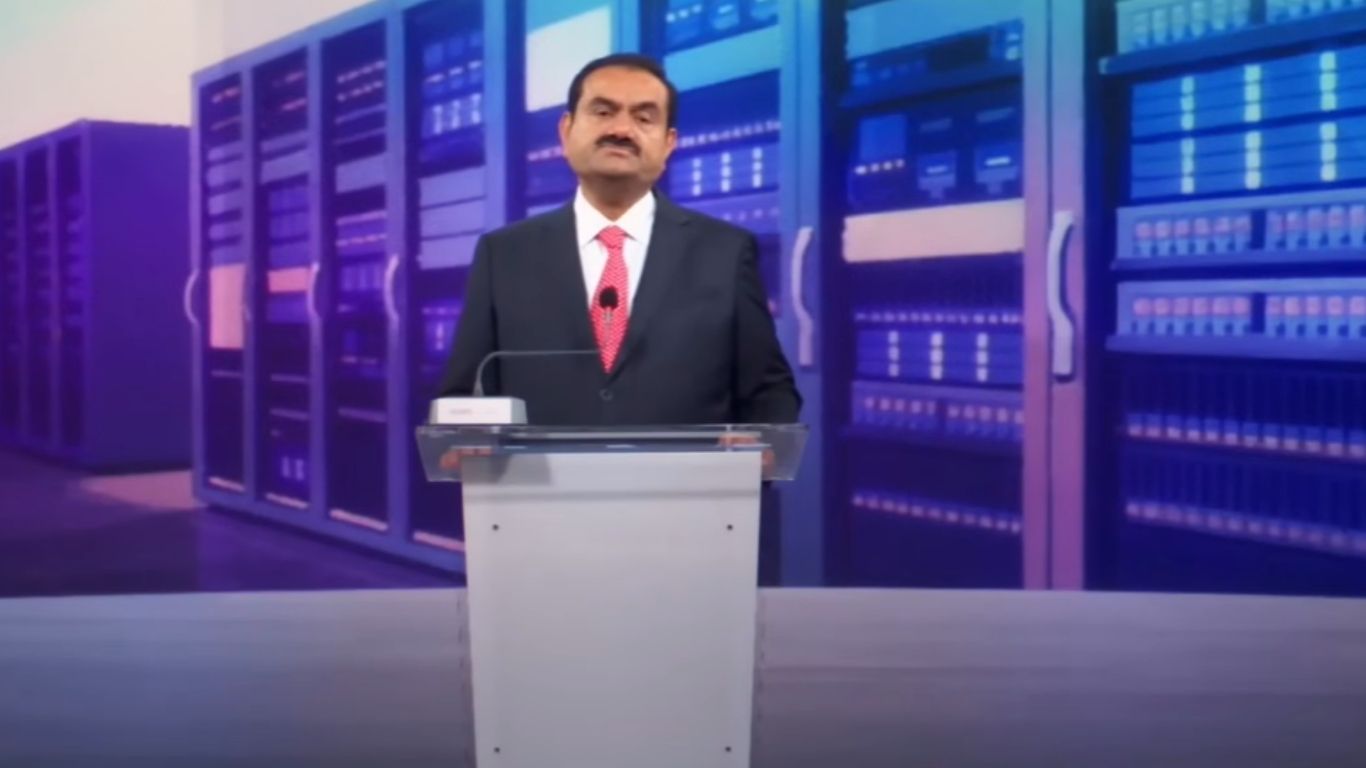
Adani welcomed the court’s decision. In a statement on X, he said he accepted the ruling with humility and respect for the judicial process.
However, Garaufis made clear that his decision did not mean he agreed with the Justice Department. He also did not rule on whether the original charges had merit.
The judge asked the Justice Department to provide more information before he decides whether to dismiss charges against other defendants in the case.
U.S. prosecutors accused Adani of agreeing to bribe Indian government officials to help an Adani Group subsidiary secure approval for a solar energy project in 2024. Prosecutors also accused Adani of misleading U.S. investors about the company’s anti-corruption practices. Adani Group has repeatedly denied the allegations.
Adani has not appeared in a U.S. court to answer the criminal charges.
The case also raised questions about Adani’s proposed investment in the United States. In a sworn court declaration filed July 15, Adani acknowledged that he had promised to invest $10 billion in the country.
His lawyers also told the Justice Department that the investment could form part of a possible resolution to the case, according to court filings.
Adani’s lawyer, Robert Giuffra, said the defendants had told the Justice Department that Adani Group remained willing to fulfill the investment pledge as part of a settlement.
Garaufis said he would not decide whether such offers were appropriate. Instead, he left that question to the public and stressed the importance of equal justice and the rule of law.
Meanwhile, Adani faces separate financial matters in the United States. In a civil case brought by the U.S. Securities and Exchange Commission, Adani agreed to pay $6 million. His nephew, Sagar Adani, agreed to pay $12 million.
Separately, Adani Enterprises Limited agreed to pay $275 million to the U.S. Treasury Department. The payment will settle alleged violations of U.S. sanctions involving Iran.