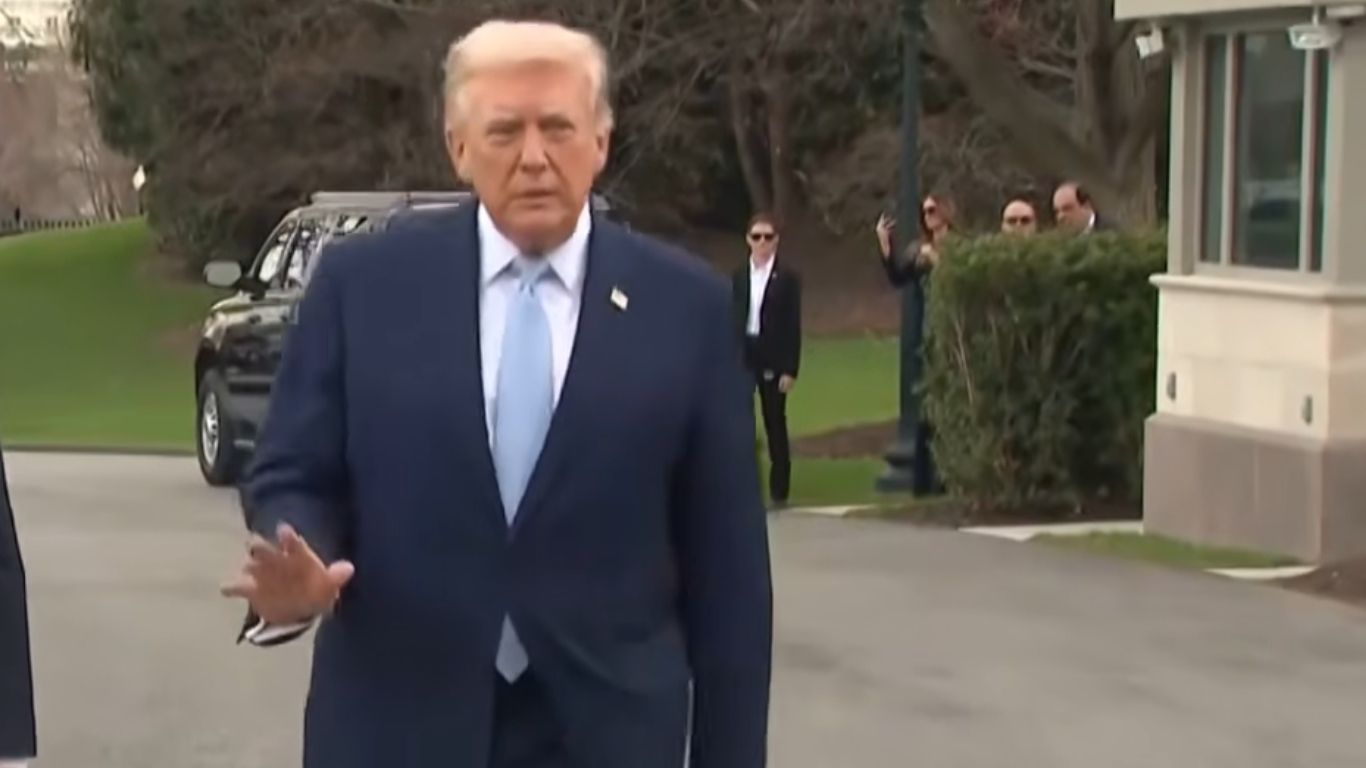
WASHINGTON (Diya TV) — President Donald Trump threatened heavy new military strikes against Iran on Thursday, declaring the United States will hit the country “very hard tonight.” The warning comes just hours after the two nations traded fierce missile and drone fire for a second consecutive day, pushing a shaky, two-month-old ceasefire to the brink of collapse.
In a post on Truth Social, Trump claimed that past American attacks had already eliminated most of Iran’s offensive capabilities. He specifically targeted its navy, air force, and air-defense systems. Furthermore, Trump announced plans to eventually seize Iran’s critical energy infrastructure, including Kharg Island. Kharg Island serves as the backbone of Iran’s oil trade and handles roughly 90% of the country’s crude exports. Most of these exports travel directly to China. Trump compared the strategy to the current US policy in Venezuela, calling the approach highly successful for both nations.
However, the president quickly walked back parts of his bold rhetoric during a subsequent interview with Fox News. Trump admitted that while he prefers to take Kharg Island, he does not know if America has the stomach for a ground campaign. Military analysts warn that capturing the small Gulf island would require US boots on the ground, exposing American soldiers to direct retaliation. Consequently, Trump noted he would rather avoid destroying civilian targets like Iranian bridges and power plants.
In response to the threats, Iranian officials issued stern warnings. Ebrahim Azizi, head of the Iranian parliament’s national security commission, promised a painful retaliation if the US makes any uncalculated moves.
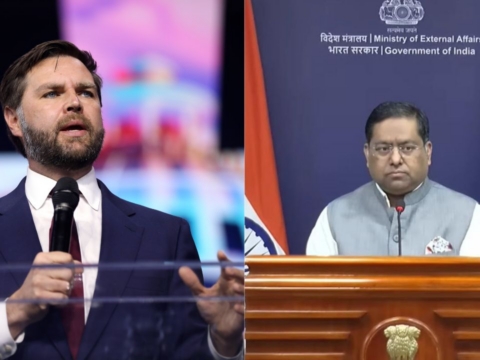
This dangerous escalation began earlier this week after Iran downed a US helicopter over the Strait of Hormuz. On Thursday morning, the US military launched its most intense salvo yet, striking communication networks and surveillance sites across Iran. Additionally, American forces fired Hellfire missiles at an oil tanker near the Strait of Hormuz to enforce a blockade. Tragically, an Indian official reported that a US strike killed three Indian crew members on a vessel in the area, though officials have not confirmed if it was the same ship.
Meanwhile, the Islamic Revolutionary Guard Corps retaliated by launching missiles and drones at US military facilities across the region. Iran claimed hits on 18 targets, including air bases in Kuwait and Jordan, as well as the US Navy’s Fifth Fleet headquarters in Bahrain. Falling debris from these interceptions damaged homes and injured an 11-year-old girl in Bahrain.
Simultaneously, Iran tightened its grip on the Strait of Hormuz, a vital chokepoint for 20% of the global oil supply. This restriction has already caused global energy prices and inflation to soar. Although the US military denies that Iran closed the waterway, Tehran warned transiting commercial ships to remain patient.
Remarkably, intense diplomatic contacts continue behind the scenes despite the heavy bombing. Trump told reporters that Washington and Tehran are still actively exchanging messages. Iranian sources confirmed that negotiators have made progress on a preliminary memorandum of understanding, but several major obstacles remain.
The biggest disagreement involves billions of dollars in frozen Iranian assets. Tehran demands the immediate release of $6 billion to $12 billion directly to its treasury. Conversely, Washington insists on a phased release restricted strictly to humanitarian goods. Additionally, Iran demands that any final agreement include a ceasefire framework for the ongoing conflict in Lebanon.
Ultimately, both sides face intense domestic pressure to end the fighting. Trump faces falling approval ratings and rising inflation at home ahead of the upcoming midterm elections. Meanwhile, an Iranian source noted that the conflict has reached a military dead end, making an economic settlement Tehran’s highest priority.