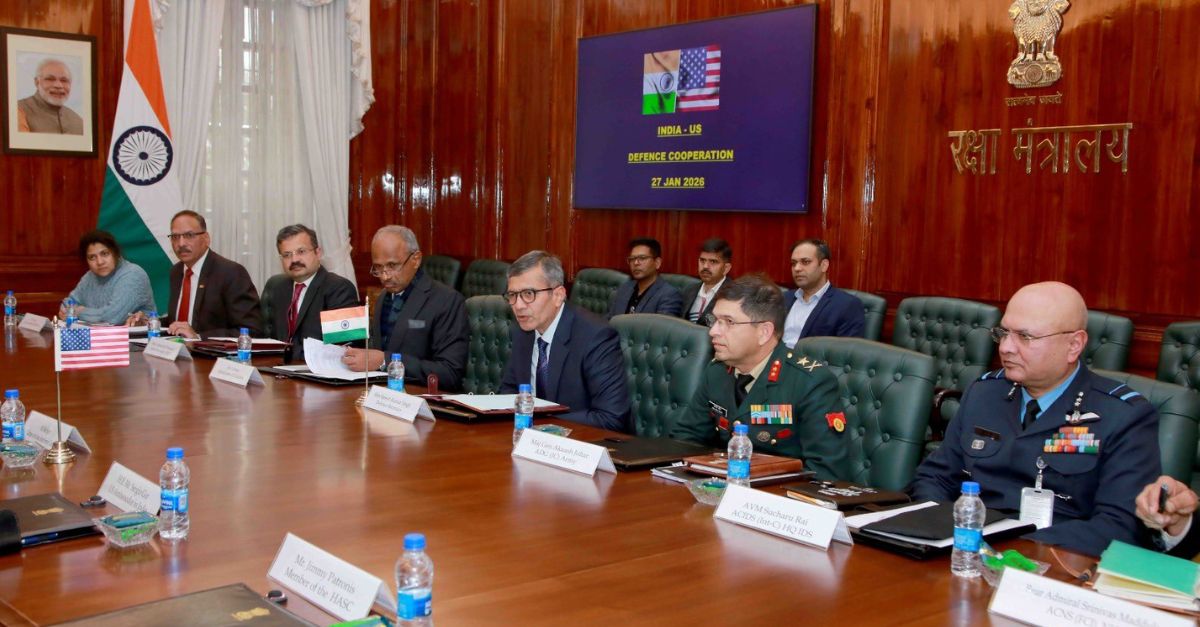
NEW DELHI (Diya TV) — The United States and India are moving to deepen their defense partnership after signing a 10-year defense pact last year. US Ambassador to India Sergio Gor said the agreement will significantly strengthen military cooperation between the two countries. His remarks underline the growing strategic relationship, even as trade disputes continue to challenge broader ties.
In a post on X, Gor thanked India’s defense leadership for hosting US officials. He said joint military exercises will continue and that additional defense sales are already in progress. Gor described the partnership as strong and forward-looking, signaling long-term commitment from both sides.
The 10-year defense pact aims to expand cooperation across several areas. These include joint military training, defense technology sharing, and arms sales. Officials from both countries see the agreement as a key step in balancing security challenges in the Indo-Pacific region.
The pact builds on years of steady defense engagement. The US and India regularly conduct joint exercises involving their armies, navies, and air forces. These drills focus on interoperability and readiness. They also reflect growing trust between the two militaries. Defense analysts say the agreement supports India’s goal of modernizing its armed forces. It also strengthens the US strategy of working closely with partners in Asia. The deal positions India as a central player in Washington’s regional security framework.
Gor’s comments came days after he attended India’s Republic Day parade for the first time. He called the experience a privilege and praised the celebration as a tribute to India’s Constitution and democratic values. In another post on X, Gor highlighted the participation of US-manufactured aircraft in the flypast. He described the display as a strong symbol of the depth and strength of the US-India strategic partnership. The flypast drew attention for showcasing advanced military hardware used by the Indian armed forces.
Republic Day events often serve as a stage for India to demonstrate its military capabilities. This year’s parade also sent a diplomatic message. It showed how defense ties with the United States have become more visible and significant.
The defense focus comes alongside ongoing diplomatic engagement. Last week, External Affairs Minister S. Jaishankar met a visiting delegation from the US Congress. The talks covered trade issues, defense and security cooperation, and wider geopolitical challenges.
Officials discussed ways to manage differences while strengthening shared interests. Both sides acknowledged the importance of open dialogue. They also emphasized the need for stable ties in a changing global environment. The meeting took place against a backdrop of rising trade tensions. Washington recently imposed a 50 percent tariff on certain Indian goods. The move has raised concerns in New Delhi and among business groups in both countries.
Despite the defense momentum, trade remains a sensitive issue. The new US tariffs have added strain to the economic relationship. Indian officials have called for fair treatment and mutual respect in trade talks. Still, leaders on both sides have signaled a willingness to find common ground. The defense partnership appears insulated from trade disputes, at least for now. Experts say security cooperation has its own momentum and strong political backing.
President Donald Trump has expressed confidence about the future of trade relations with India. Speaking at the World Economic Forum in Davos last week, he praised Indian Prime Minister Narendra Modi and suggested that a trade deal remains possible.
Trump said he has great respect for Modi and called him a friend. He added that both countries are likely to reach a good deal. His remarks raised hopes for progress after months of uncertainty. Observers say any trade agreement could further strengthen the overall US-India relationship. Improved economic ties would complement growing defense cooperation and diplomatic engagement.
The US-India defense pact reflects shared strategic interests and long-term planning. Joint exercises, defense sales, and high-level talks continue to shape the partnership. While trade tensions persist, both countries appear committed to cooperation. For now, defense ties remain a cornerstone of the relationship. As regional and global challenges grow, Washington and New Delhi seem determined to work closely together.