WASHINGTON (Diya TV) — The U.S. job market is showing serious signs of trouble. July’s employment report paints a grim picture for the economy and poses a challenge for President Donald Trump’s trade and immigration policies. After months of warning signs, hiring has slowed sharply. Businesses are holding back as uncertainty rises. Employers added just 73,000 jobs in July, far below the 115,000 economists had expected. The Labor Department’s report also revealed major downward revisions to previous months.
May’s job growth was cut from 144,000 to just 19,000. June’s figures dropped from 147,000 to 14,000. Together, those revisions removed 258,000 jobs from earlier reports. The unemployment rate also ticked up to 4.2% as more people dropped out of the labor force. The number of unemployed Americans rose by 221,000, suggesting that the job market is cooling more quickly than expected.
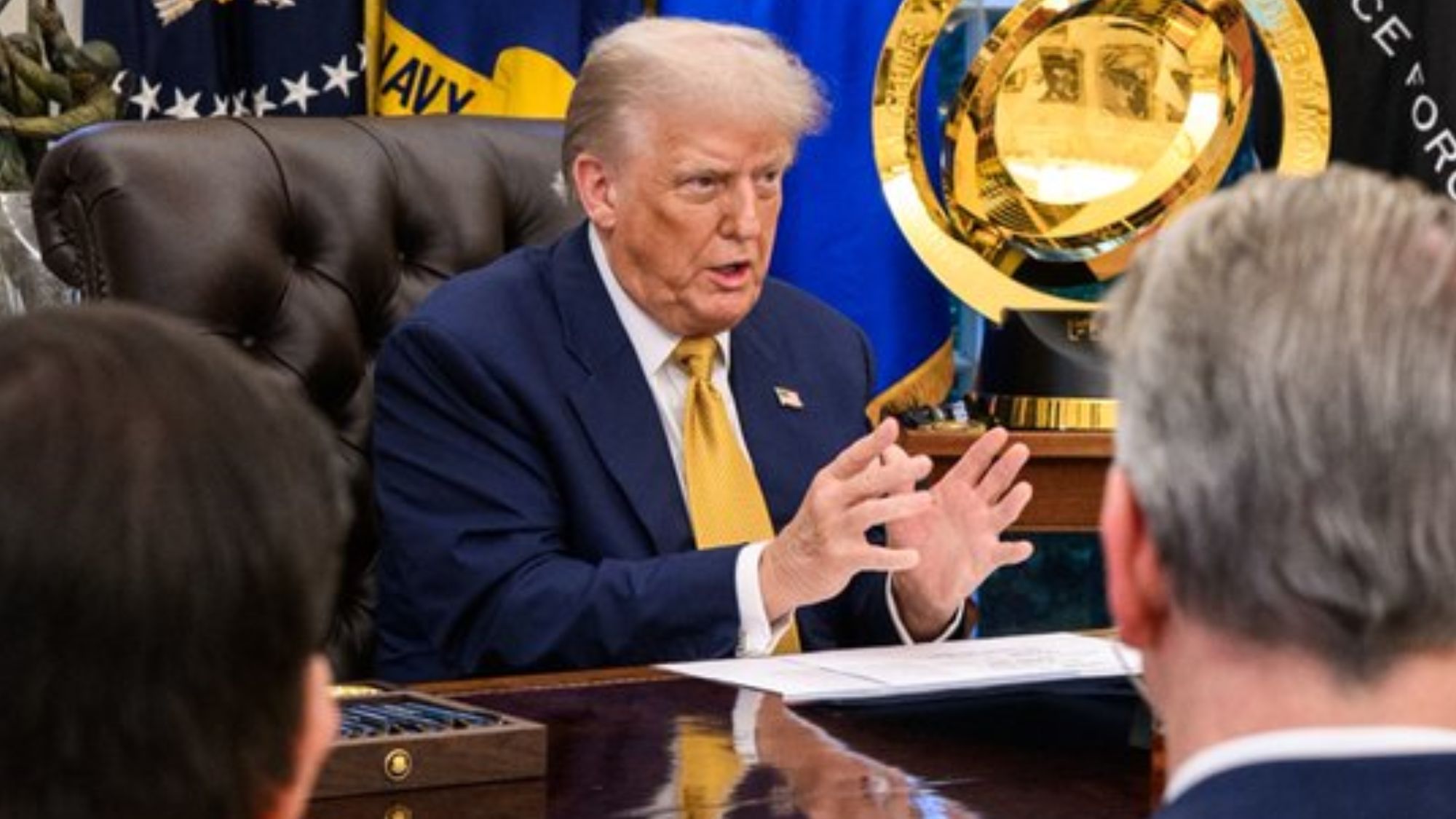
Economists point to President Trump’s ongoing trade war as a key reason for the sharp decline in hiring. The administration’s tariffs have hit businesses hard, causing companies to delay investments and hiring. Trump has placed import taxes on products from many U.S. trading partners, arguing it will bring jobs back to America. However, many experts disagree.
“These tariffs are having a direct and immediate effect on hiring,” said Blerina Uruci, chief U.S. economist at T. Rowe Price. “Businesses are dealing with high costs and too much uncertainty.”
Trump’s approach to trade has also been unpredictable. Tariffs are announced, then suspended, then replaced. That erratic rollout is making it harder for companies to plan.
On Wednesday, Trump signed an executive order for more tariffs to take effect on August 7. The move came after a week of unexpected trade-related actions that further rattled markets and businesses. Manufacturing continues to lose jobs. The sector shed 11,000 positions in July, after losing 15,000 in June and another 11,000 in May. Administrative and support services cut nearly 20,000 jobs. Federal employment also dropped by 12,000 positions, a result of the administration’s efforts to downsize government.
Healthcare was the one bright spot, adding 55,400 jobs in July. That sector made up 76% of the total job gains last month, suggesting that hiring remains strong in only a few parts of the economy. The report also revised down job growth in education. Originally, state and local governments were thought to have added 64,000 jobs in June. That number has now dropped to fewer than 10,000.
The weak jobs report increases the chances that the Federal Reserve will cut interest rates in September. Lower rates help boost borrowing and spending. Investors now expect the Fed to step in and offer support to the slowing economy. Until now, Fed Chair Jerome Powell has pointed to a strong job market as a reason to hold off on rate cuts. But this new data undermines that view. Powell has acknowledged that trade tensions could hinder hiring and economic growth.
On Wednesday, the Fed left its key interest rate unchanged for the fifth straight meeting. Powell called the job market “solid,” but Friday’s report may force a change in that stance. The current slowdown is a major reversal from just a few years ago. In 2021 and 2022, companies offered signing bonuses, flexible schedules, and even pet insurance to attract workers. That optimism has faded.
Higher interest rates, strict immigration rules, and trade-related costs are taking a toll. Fewer people are quitting their jobs—a sign that workers feel less confident about finding better opportunities. The quit rate is now below pre-pandemic levels.
Daniel Zhao, chief economist at Glassdoor, warned, “We’re finally in the eye of the hurricane. The slowdown isn’t just approaching—it’s here.” The July jobs report sends a clear signal: America’s labor market is losing momentum. With growing uncertainty and trade tensions still unresolved, the road ahead may be bumpy.