BAGHDAD, Iraq (Diya TV) — U.S. forces completed their departure from Erbil Air Base on Wednesday, ending the American-led military mission against ISIS in Iraq and shifting responsibility for security to Iraqi forces.
U.S. Central Command said the withdrawal concludes Operation Inherent Resolve’s mission in Iraq. The coalition task force now operates from Jordan and will continue counter-ISIS operations in Syria. Washington will maintain a bilateral defense relationship with Baghdad.
The departure follows an agreement that the United States and Iraq announced in September 2024. Pentagon spokesperson Sean Parnell said Washington will continue targeted training and intelligence support for Iraqi partners.
Iraqi Prime Minister Ali al-Zaidi described the withdrawal as a step toward greater sovereignty. He said Iraqi security forces would continue fighting ISIS and pledged to bring weapons held by non-state groups under government control. Powerful Iran-backed militias have resisted disarmament.
The withdrawal comes during the U.S.-Israeli war with Iran. Officials in Iraq’s Kurdish region have expressed concern about losing U.S. air defenses as drones and missiles threaten the region. The Kurdish government’s Peshmerga Ministry said the departure without a replacement defense system raises security concerns.
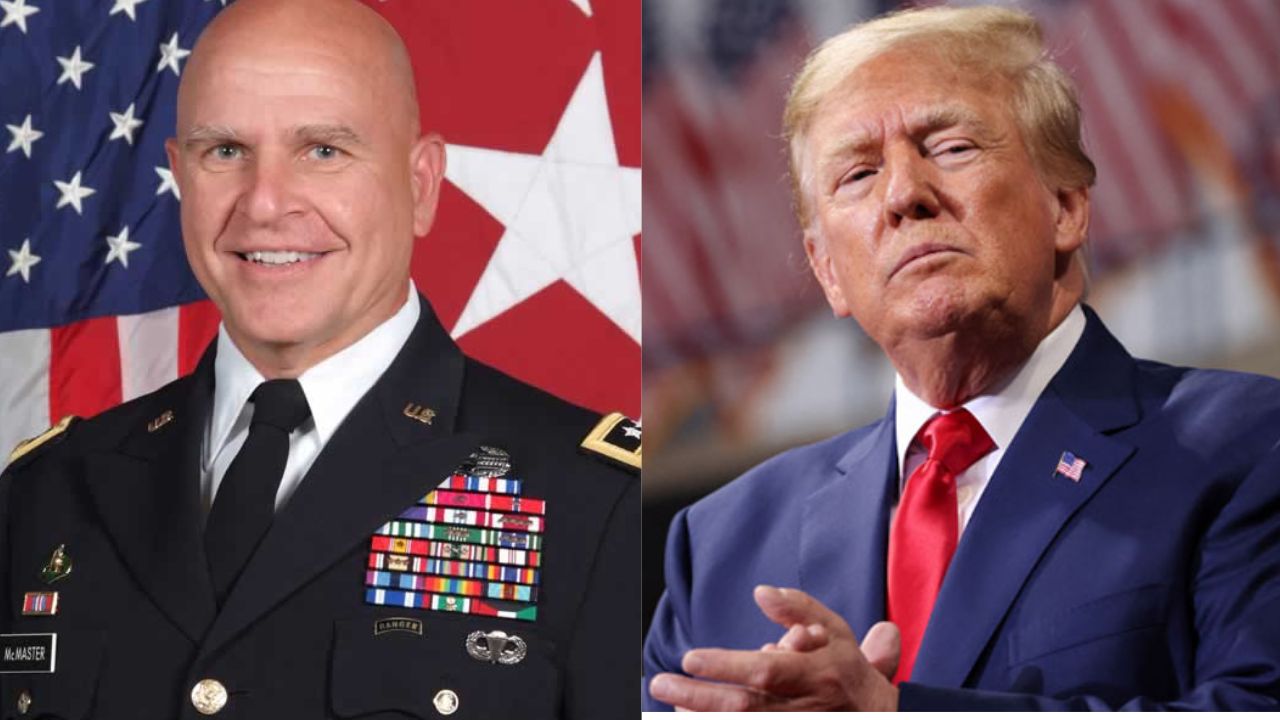
Retired Lt. Gen. H.R. McMaster questioned the timing in an interview with NPR’s “Morning Edition.” He warned that the exit could strengthen Iran’s influence and give ISIS an opportunity to recover.
“I think it’s not the right time,” McMaster said.
McMaster, who commanded U.S. troops in Tal Afar and later served as President Donald Trump’s national security adviser, said American forces provided intelligence and support to Iraqi units. He also identified Iranian-backed militias operating outside Baghdad’s control as a threat to Iraqi sovereignty.
The United States invaded Iraq in 2003 and withdrew its troops in 2011. Iraqi authorities invited American forces back in 2014 after ISIS seized large parts of the country.
CENTCOM commander Adm. Brad Cooper said Iraqi forces now have the capacity to manage threats independently. He said U.S. and coalition forces elsewhere in the region would remain ready to respond to ISIS threats.