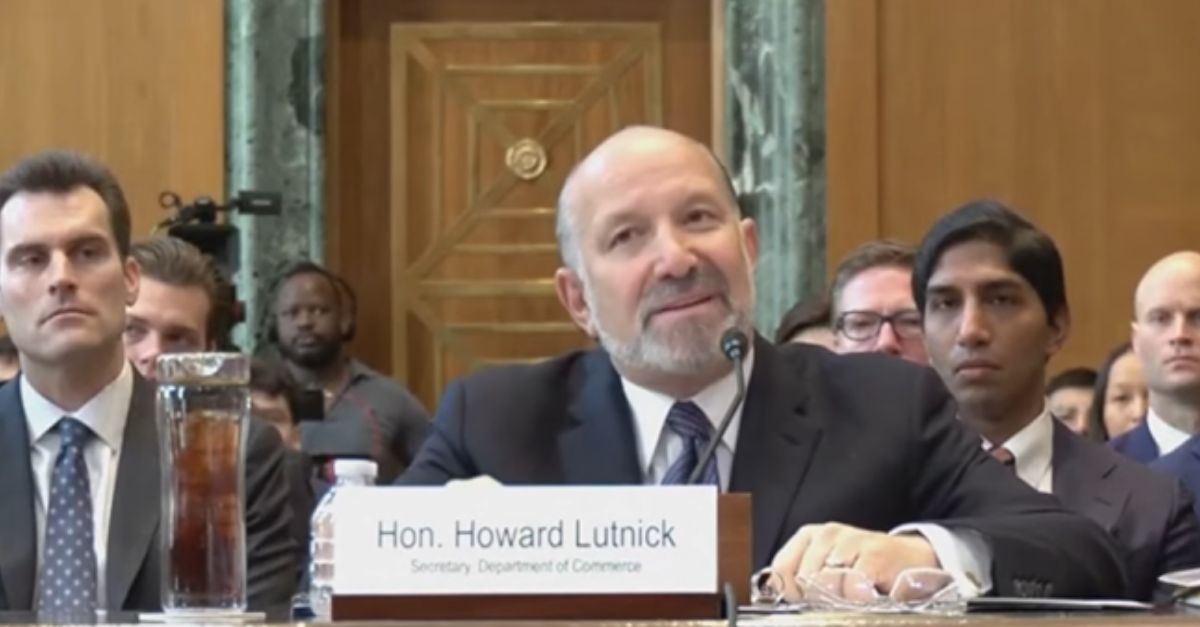
CHICAGO (Diya TV) — Commerce Secretary Howard Lutnick said the H-1B visa program could see sweeping reforms before a steep new $100,000 application fee takes effect in February 2026. He called the current system “fundamentally flawed” and stated that it gives an unfair advantage to low-cost technology consultants over highly skilled professionals, such as doctors and educators.
In an interview with NewsNation, Lutnick made clear that he expects significant revisions to the system in the next year and a half. “This procedure and process go into effect in February 2026,” he said. “I guess that there are going to be a significant number of changes between now and 2026.”
The Trump administration announced the sharp increase in H-1B visa fees earlier this month. The move triggered concern, especially in India, which sends the largest share of H-1B applicants. The program enables U.S. companies to hire foreign workers for specialized positions. But Lutnick argued that the current structure no longer fits today’s economy.
He criticized the use of a lottery to award visas, saying it makes little sense when the goal is to bring in top professionals. “Yesterday, I talked to the heads of two of the top five tech companies in the world, and they said doing a lottery for skilled workers coming into America is bizarre,” Lutnick said. “Why, when you’re trying to take in skilled workers, would you do it by a lottery?”
Lutnick pointed to data that highlights how the program tilts toward technology contractors. According to him, about 74 percent of visas go to tech consultants, while only about 4 percent go to doctors and educators. “H-1B visas are for tech consultants? Like, somehow, that’s important—that tech consultants are onshore versus offshore?” he asked. “They’re all in other countries anyway.”
He said he wants reforms that prioritize professionals in medicine and education. “Doctors and educators with high degrees should be able to come in,” Lutnick said. “But if companies want to hire engineers, they should employ only the highly paid ones.”
Lutnick added that the current model, designed in the 1990s, has been mismanaged for decades. “Everyone agrees that the process that was set up in the 1990s and sort of butchered along the way needs to change,” he said. He stressed that reform is overdue, and the high fee could reduce the flood of applications. “At least it shouldn’t be overrun with these people,” he said.
The secretary made it clear that he opposes the practice of bringing in large numbers of low-cost contractors. “The idea of having tech consultants and trainees who are inexpensive should be eliminated,” he said. “I think the President’s right with me on those same topics. I am completely of the view that this idea that inexpensive tech consultants should be coming into this country and bringing their families—I find it just wrong.”
He also said future changes may reshape the system for how visas are awarded. Officials are considering whether to keep the lottery, replace it with a merit-based structure, or use another process. Lutnick suggested that the program should reward high-value skills instead of low-cost labor.
The H-1B program is oversubscribed by seven to ten times each year, according to the Commerce Department. That demand has fueled criticism that the system benefits outsourcing firms instead of filling critical shortages in U.S. healthcare and education.
Lutnick argued that the United States needs to focus on long-term national priorities. “We should give highly skilled jobs to highly skilled workers,” he said. He urged lawmakers and industry leaders to think beyond short-term cost savings.