NEW DELHI (Diya TV) — India is facing a major trade challenge after President Donald Trump imposed steep new tariffs on its exports. The additional duties, which took effect on Wednesday, raise the effective tariff rate on Indian goods to 50%. The move comes as punishment for India’s continued purchases of Russian oil, but the impact is expected to reach far beyond geopolitics.
Analysts warn that the tariffs could sharply reduce India’s competitiveness in the U.S. market, its single largest export destination.
The United States is India’s biggest export partner, accounting for nearly 20% of its total shipments. In the fiscal year ended March 2025, India exported goods worth $434 billion, of which $86.5 billion went to the U.S. Economists estimate that the new tariffs could cut India’s growth rate to around 6% this year and next, compared with earlier projections of 7%.
Capital Economics’ Shilan Shah said the duties are “large enough to have a material impact” on the Indian economy. U.S. spending drives around 2% of India’s gross domestic product, meaning the new tariffs could shave as much as 0.6 percentage points from overall growth, according to Goldman Sachs.
Engineering goods are India’s biggest export category to the U.S., including auto parts, power equipment, and machinery. The sector shipped nearly $19.2 billion worth of products to the U.S. last year, or about 16% of its total. With steel already facing a 50% tariff, similar duties now threaten other industrial goods, worsening the outlook for one of India’s most critical industries.
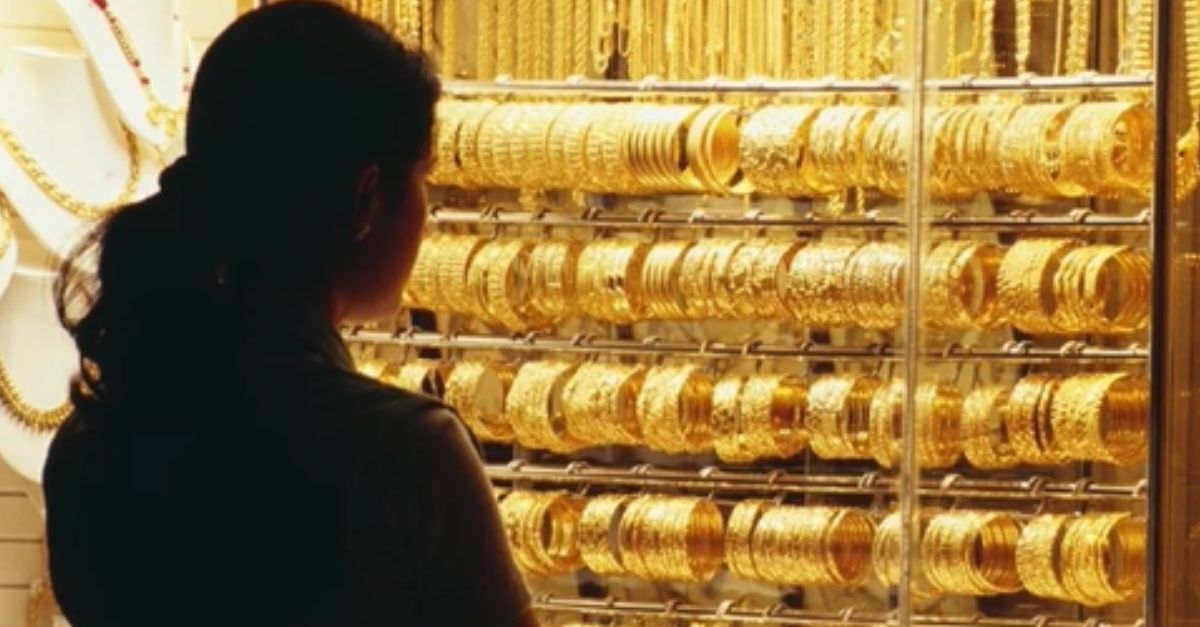
The gems and jewelry sector, which contributes 7% to India’s GDP and employs about 5 million workers, is also at risk. About one-third of its exports go to the U.S., making the industry highly vulnerable to the tariff hikes. Rajesh Mehta, executive chairman of Rajesh Exports, called the new tariffs an “additional burden” and urged government support.
Textiles and apparel face a similar challenge. The industry directly employs around 45 million workers, making it one of the most labor-intensive sectors in India. Roughly 34% of textile exports were shipped to the U.S. last year. The Confederation of Indian Textile Industry said the new tariff rate removes India’s competitive edge against rivals like Vietnam and Cambodia.
Electronics have been a bright spot for Indian exports, with shipments to the U.S. surging in recent years. The sector relied on the U.S. for 38% of its exports last fiscal year, making it the most exposed to tariff risks. India overtook China as the top smartphone exporter to the U.S. in the second quarter, largely due to Apple shifting more iPhone production to India.
For now, smartphones, computers, and other electronic goods remain exempt from tariffs, giving the industry a reprieve. However, experts warn that any rollback of exemptions would severely impact the sector.
Pharmaceuticals, another critical export, also face potential risks. India exported $10.5 billion worth of drugs and pharma products to the U.S. in the last fiscal year, making up 35% of the category’s shipments. While medicines are exempt from current tariffs, Trump has threatened to impose duties as high as 250% in the future.
India is not the only country facing higher tariffs. But several regional peers have already secured relief. Vietnam saw its tariff rate cut to 20% from 46%. Thailand’s rate dropped to 19% from 36%, while Bangladesh and Cambodia also received reductions. By contrast, India now faces one of the highest tariff levels among major exporters to the U.S.
Michael Wan, senior economist at MUFG Bank, said India will find it harder to diversify away from the U.S. “If these tariff differentials stick, India’s export competitiveness will likely be eroded over time,” he said.
The tariff hikes could have ripple effects across India’s economy. Sectors like gems, textiles, and electronics support millions of jobs, particularly in labor-intensive industries. Reduced demand from the U.S. could lead to job losses and put pressure on wages.
At the same time, India’s position as an emerging manufacturing hub is at stake. Analysts warn that global firms may hesitate to expand production in India if tariffs make exports less competitive.
While 32% of India’s exports to the U.S. remain exempt, including electronics and pharmaceuticals, the lack of clarity around future trade policy is causing concern. For now, businesses and policymakers alike are bracing for a prolonged period of uncertainty.