WASHINGTON (Diya TV) — A new $100,000 fee tied to the H-1B visa program has produced an unexpected result for the U.S. government. Instead of raising revenue, the policy appears to have reduced it.
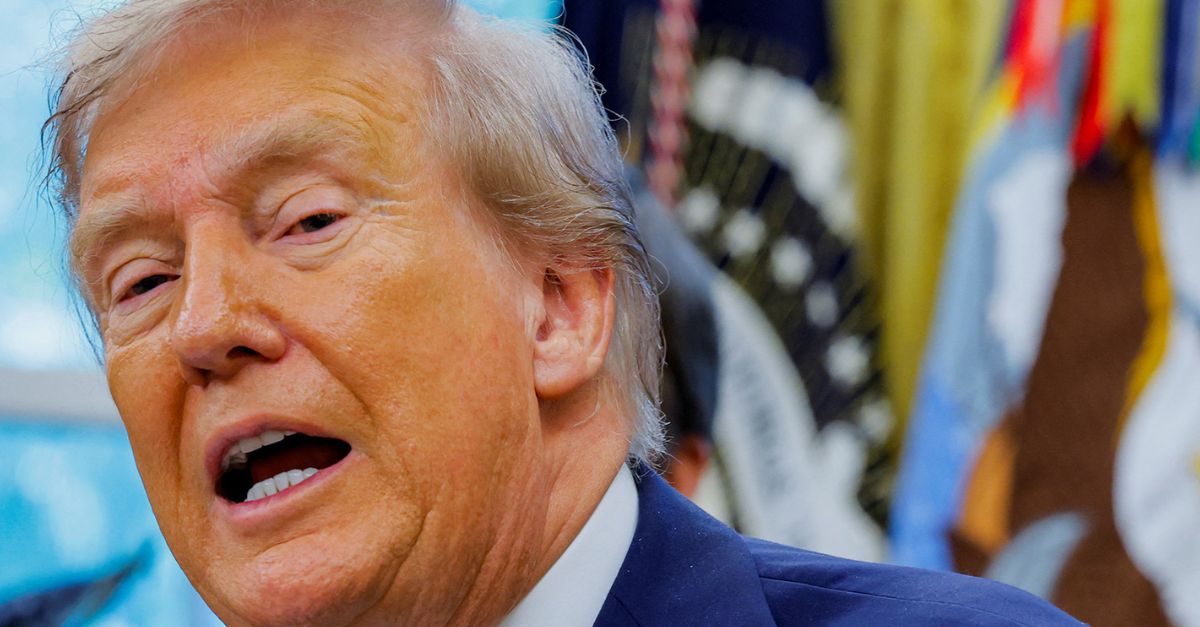
The policy, introduced under President Donald Trump, requires certain foreign workers to pay a $100,000 “proclamation fee” to enter the United States on an H-1B visa. The visa program allows U.S. companies to hire highly skilled foreign workers in fields such as technology, engineering, and research. But early numbers suggest the steep fee has discouraged applicants. As a result, total government revenue from H-1B applications has dropped significantly.
Data shared by policy analysts shows the government has collected $8.5 million so far from the new fee. That figure comes from 85 applicants who each paid the $100,000 charge. However, overall application fees from H-1B visa filings abroad have dropped by about $28 million during the same period.
The decline means the government has lost roughly $19.5 million compared with what it might have collected without the new fee. Policy analyst Connor O’Brien highlighted the numbers in a recent analysis. He noted that the high fee aimed to maximize revenue but instead reduced the total number of applications.
“85 people have paid the $100,000 H-1B fee so far, totaling $8.5 million in revenue,” O’Brien said in his analysis. “But fee revenue from H-1B applications abroad is down $28 million.”
He added that the fee was justified by research claiming a revenue-maximizing fee could exceed $100,000. But the real-world results suggest the opposite.
Immigration experts quickly reacted to the data. Aaron Reichlin-Melnick, a senior fellow at the American Immigration Council, said the outcome shows how sharply demand dropped after the fee took effect.
“An absolutely incredible statistic,” Reichlin-Melnick wrote in response to the figures. “Trump’s $100,000 H-1B fee has actually lost the U.S. government $19.5 million in application fees.”
Analysts say the decline makes economic sense. When a cost rises sharply, fewer people choose to pay it. In this case, many companies and workers appear unwilling to spend $100,000 just to apply for the visa. The result has been fewer applications and lower total revenue.
The H-1B visa program plays a major role in the U.S. labor market. Each year, American companies hire thousands of foreign professionals through the program. Technology companies rely heavily on these visas. Software engineers, data scientists, and other highly trained workers often enter the country through the program.
Supporters say the program helps U.S. companies compete globally. They argue that many industries need specialized talent that is difficult to find domestically. Critics, however, claim the program allows companies to replace American workers with lower-paid foreign employees. The debate has intensified during recent immigration policy discussions.
The H-1B program has become a flashpoint within Trump’s political coalition. Some business leaders who support Trump strongly defend the visa system. Among them is tech billionaire Elon Musk. Many technology executives say the visas help companies fill critical skill gaps.
However, many grassroots supporters in the MAGA movement oppose the program. They argue that companies use H-1B visas to bring in large numbers of foreign workers rather than hiring Americans. This divide has shaped the broader immigration debate within conservative politics.
It remains unclear whether the government will adjust the fee or keep the policy unchanged. Economists often warn that extremely high fees or taxes can reduce demand. When demand falls enough, overall revenue also drops. The H-1B fee appears to show that effect in action. Instead of boosting government income, the high cost may have discouraged applicants.