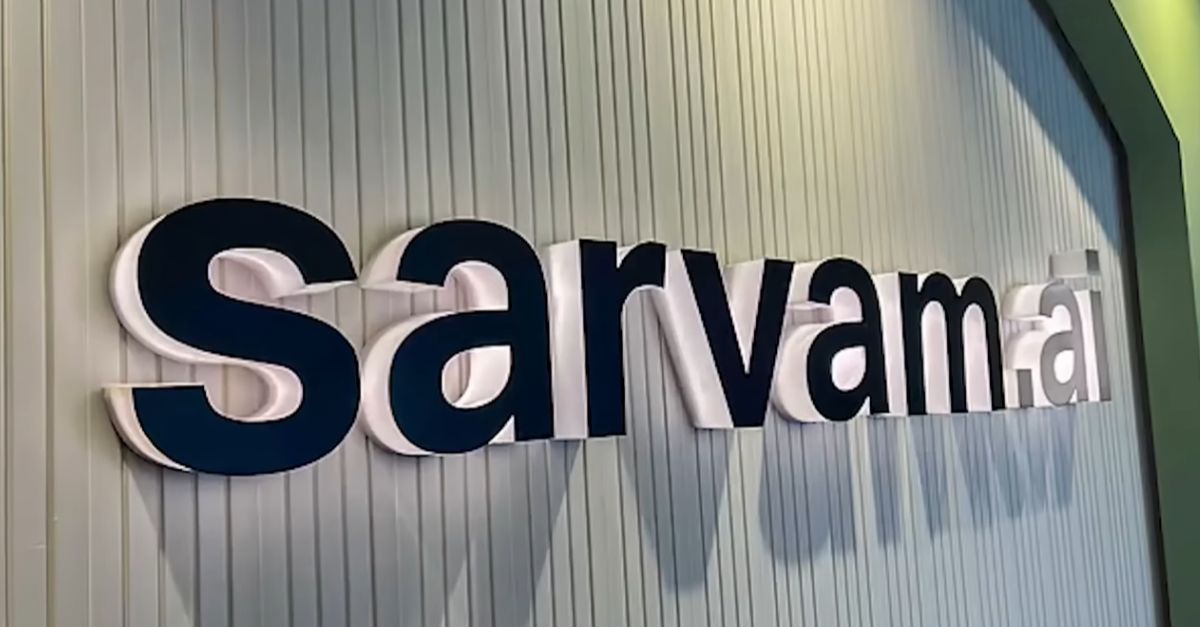
NEW DELHI (Diya TV) — Indian startup Sarvam AI has unveiled a new artificial intelligence model aimed at challenging global tech giants in the fast-growing domestic market. The company says its technology better understands India’s many languages and cultures than popular tools such as ChatGPT and Claude. Sarvam AI introduced two new AI models at a major summit in New Delhi. The event highlighted India’s push to become a global leader in artificial intelligence. Prime Minister Narendra Modi has made AI development a national priority.
The Bengaluru-based company says its models focus on voice commands and support 22 Indian languages. That feature could give it a strong edge in a country of 1.45 billion people, where many do not read or write English fluently.
India has emerged as one of the world’s largest digital markets. Millions of people use smartphones as their main gateway to the internet. However, language remains a major barrier. English dominates many global AI tools. But only a small percentage of Indians speak English as their first language. Sarvam AI wants to close that gap. The company designed its models to respond naturally in regional languages such as Hindi, Tamil, Telugu, and Bengali.
The government has encouraged local companies to build homegrown AI systems. Officials say India must develop its own digital infrastructure instead of relying on foreign platforms. Sarvam AI’s launch aligns with that goal. At the New Delhi summit, company leaders said their technology reflects India’s cultural diversity. They trained the models on local data sets to improve accuracy in regional dialects and speech patterns.
Sarvam AI believes voice-based technology will drive the next wave of digital growth in India. Many Indians prefer speaking over typing, especially on small smartphone screens. Some users struggle with keyboards in regional scripts. The company built its AI models with a voice-first design. Users can ask questions, seek services, or get information in their native language. The AI responds in the same language.
This approach could open new opportunities in rural areas. Millions of Indians live in villages with limited access to formal education. Voice-enabled AI tools can help them access government services, healthcare information, and financial resources. Sarvam AI says its platform works across multiple sectors. Businesses can use it for customer service. Schools can use it for digital learning. Government agencies can use it to reach citizens more effectively.
Global AI tools such as ChatGPT and Claude dominate headlines worldwide. These platforms offer advanced language capabilities and wide adoption. However, they mainly focus on English and other major global languages. Sarvam AI aims to create a strong domestic competitor. The company believes its deep understanding of Indian languages gives it a strategic advantage. It also says local development allows better compliance with Indian regulations and data policies.
Industry experts say India’s AI market holds massive potential. The country has a large pool of software engineers and data scientists. It also has one of the world’s largest internet user bases. By building AI tools tailored to Indian users, Sarvam AI hopes to capture a large share of that growing market.
The timing of the launch carries symbolic value. Indian Prime Minister Narendra Modi has promoted India as a rising technology powerhouse. His administration has supported digital public infrastructure and startup innovation. The AI summit in New Delhi served as a showcase for that ambition. Government officials and tech leaders discussed how artificial intelligence can boost economic growth, improve public services, and create jobs.
Sarvam AI’s announcement reflects a broader trend. Indian startups are moving beyond software outsourcing. They now aim to build original products for global and local markets.
Sarvam AI still faces tough competition. Global AI companies invest billions of dollars in research and development. They also benefit from vast computing resources. Yet India’s unique language landscape presents a major opportunity. More than 20 official languages and hundreds of dialects shape daily communication across the country.