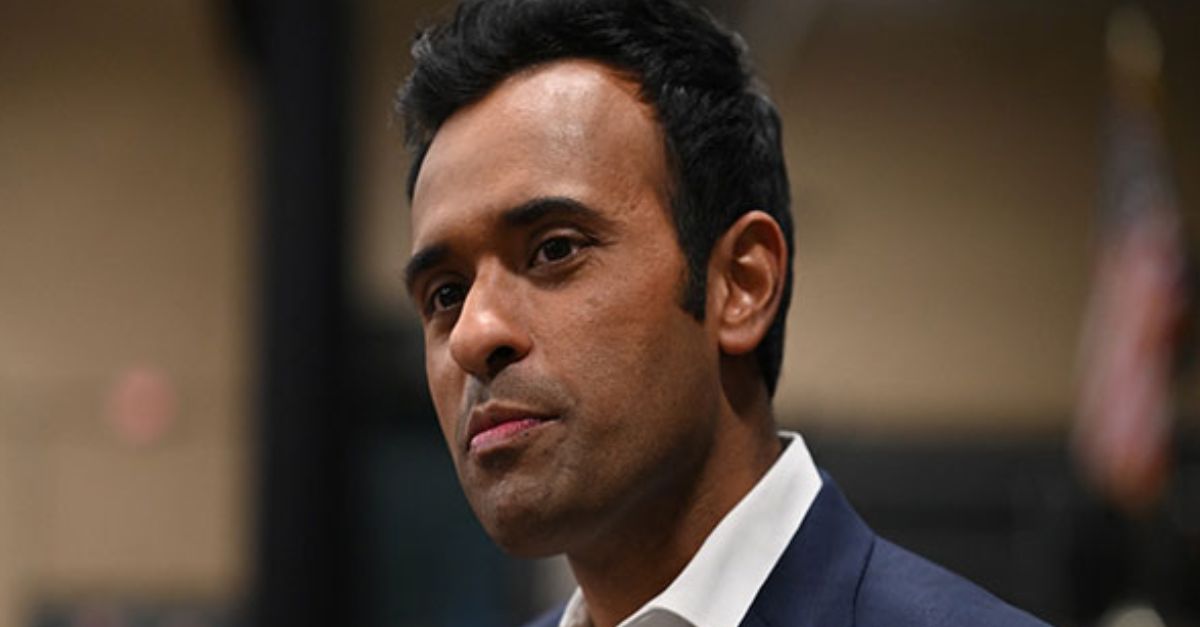
COLUMBUS, Ohio (Diya TV) — Vivek Ramaswamy, the Republican candidate for Ohio governor, is making education reform the centerpiece of his campaign. He argues that America’s weak school system is holding back the economy and leaving students far behind their peers overseas.
Ramaswamy said in a recent post on X that U.S. students are falling far behind in core subjects. “A key root cause of our economic challenges is a deeper failure in K-12 education. A 7th-grade student in the U.S. is performing at the same academic standard as a 3rd-grade student in China,” he wrote. “That’s unacceptable & we have a moral obligation to turn it around.”
Speaking on CNBC, he warned that the shortage of skilled workers stems from structural weaknesses in the education system. He said American students are “four full academic years behind” their peers in China, a gap he called dangerous for the nation’s future competitiveness.
His comments follow new data from the National Assessment of Educational Progress, also known as the Nation’s Report Card. The 2024 results showed U.S. twelfth graders recorded their lowest-ever scores in math and reading. Only 22 percent of students reached proficiency in math, while 35 percent did so in reading.
Eighth-grade science scores also dropped significantly. Analysts have linked these declines to several factors. They point to the long-term effects of the COVID-19 pandemic, high levels of absenteeism, and uneven state funding as major causes.
The downward trend has fueled concern among educators, policymakers, and parents. Many say the country faces a growing crisis that could weaken its workforce and economic future.
Ohio’s own test results show similar challenges. The state ranks slightly above the national average in fourth- and eighth-grade math and reading. Yet overall performance has not recovered to pre-2019 levels.
The gap between the highest- and lowest-performing students has also widened in the last decade. Education experts warn that this trend shows growing inequality within the state’s school system.
Ramaswamy said he wants Ohio to lead in reversing those numbers. He believes the state can serve as a national model for reform if it takes bold steps now.
The former presidential candidate has outlined several proposals to overhaul Ohio schools. He supports expanded school choice to give families more control over where their children learn. He also backs performance-based pay for teachers, saying strong results should be rewarded.
Another part of his plan includes limiting cell phone use in classrooms, which he argues distracts students and lowers achievement. In addition, he wants to shift decision-making power from federal agencies to state governments, giving local leaders more authority to set education policy.
At a recent campaign stop, Ramaswamy described education reform as “the Apollo mission of our time.” He said a focused effort to improve schools could lift both students and the economy.
Ramaswamy has pledged to make Ohio a leader in academic recovery. He argues that by setting higher standards and reshaping classrooms, the state can close learning gaps and prepare students for a more competitive global economy.
Supporters say his proposals address urgent problems in schools. Critics, however, question whether his plans will provide enough funding or meet the needs of struggling districts.
Still, the candidate has kept education at the center of his campaign speeches and media appearances. He presents the issue not only as a challenge but as an opportunity for Ohio to lead the nation.
As the race for governor gains momentum, Ramaswamy continues to highlight the link between education and economic strength. He argues that fixing schools is not only a moral duty but also an economic necessity.
“The future of our workforce depends on the strength of our classrooms,” he said. “If we want America to stay competitive, we must start with education.”