TOKYO (Diya TV) — Pakistan’s Embassy in Japan has urged Pakistani nationals to follow Japanese laws when constructing religious facilities after a controversy involving a mosque project in Kawagoe sparked public debate over immigration, religious integration, and legal compliance.
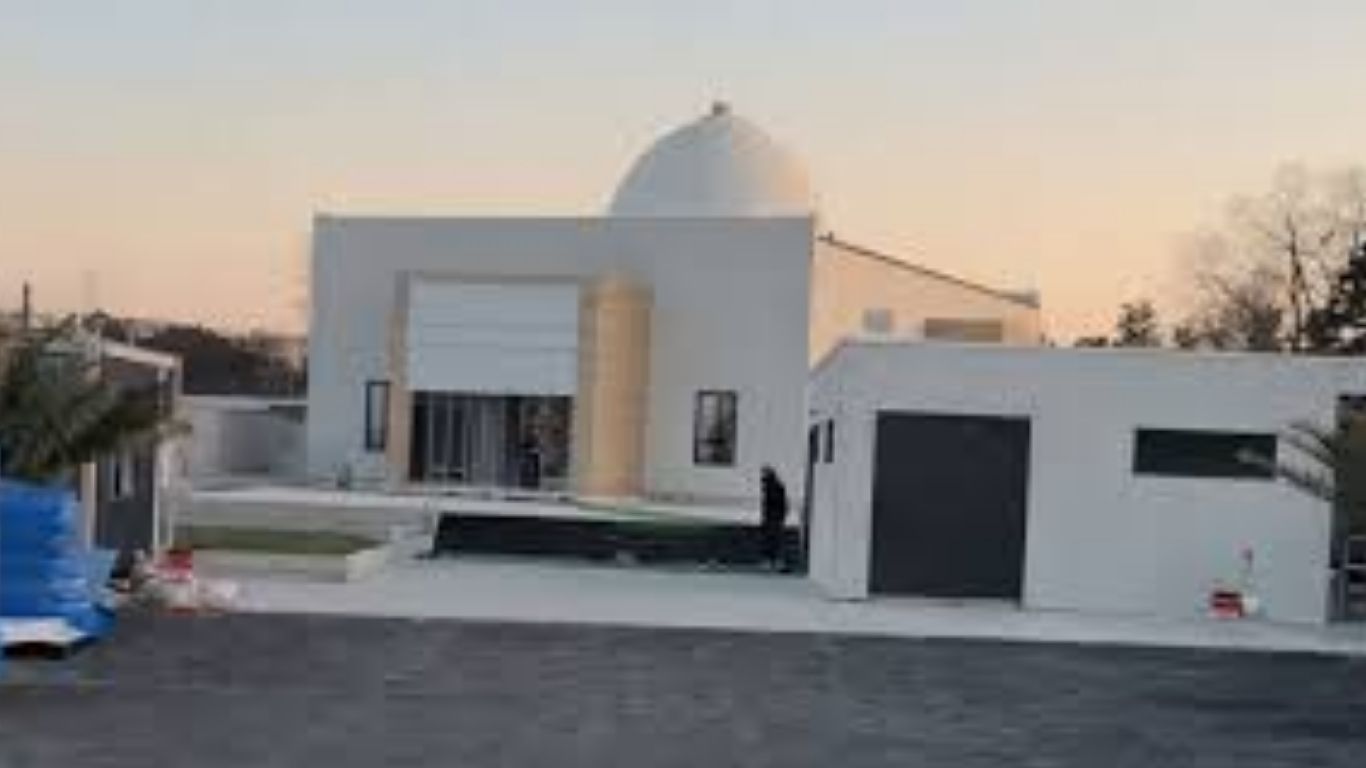
The embassy stated on May 31, following concerns surrounding the Japan Jame Masjid Ramzan mosque in Kawagoe, a city in Saitama Prefecture. The controversy gained attention after reports emerged that the project allegedly lacked some required approvals from local authorities.
In its statement, the Pakistan Embassy emphasized that all construction projects, including mosques, must comply with Japanese regulations and obtain necessary permits before work begins. The embassy said it had no involvement in projects that fail to meet local legal requirements. It also clarified that Pakistani Ambassador Abdul Hameed attended an April 3 event related to the mosque after organizers informed him that the project had secured all required approvals under Japanese law. The embassy urged transparency in sharing information about legal compliance and encouraged cooperation with residents and authorities throughout the planning and construction process.
The Kawagoe mosque project has become a topic of discussion on Japanese social media and in local communities. Some residents and online commentators questioned the ambassador’s attendance at the event and raised concerns about the project’s approval status. The controversy comes as Japan experiences growing religious and cultural diversity due to increased migration and foreign labor recruitment. Government programs aimed at addressing labor shortages have brought workers from several countries, including Pakistan, Bangladesh, and Indonesia. Many of these workers are employed in manufacturing, caregiving, agriculture, and other sectors facing labor shortages.
Japan continues to struggle with a declining birth rate and an aging population. The country’s fertility rate remains well below the replacement level needed to maintain population growth. These demographic challenges have contributed to labor shortages across several industries. Policymakers have introduced childcare support programs, workplace reforms, and financial incentives to encourage family growth, but population decline remains a significant concern. As a result, Japan has gradually expanded opportunities for foreign workers in recent years.
Researchers and media reports estimate that Japan’s Muslim population has increased significantly over the past two decades. Estimates suggest that more than 400,000 Muslims now live in Japan, including foreign residents and Japanese converts. The number of mosques has also grown steadily as Muslim communities establish places of worship in areas with increasing populations. Supporters of mosque construction argue that these facilities provide essential religious services and community support for residents. Critics, however, have expressed concerns about integration, land use, neighborhood impacts, and compliance with local regulations.
The debate intensified earlier this year in Fujisawa, a city south of Tokyo, where plans for another mosque prompted local discussion. The project was reportedly organized by local Muslim residents who purchased land, raised funds, and sought approvals for construction. Organizers said the new facility would help meet the needs of a growing Muslim population in the area. The proposal drew both support and opposition from residents. Some welcomed greater religious diversity, while others voiced concerns about community changes and infrastructure impacts.