WASHINGTON (Diya TV) — A top U.S. counterterrorism official says thousands of individuals with alleged ties to militant groups entered the country during President Joe Biden’s administration. His comments have ignited a heated debate over national security, refugee vetting, and the risks posed by extremist networks.
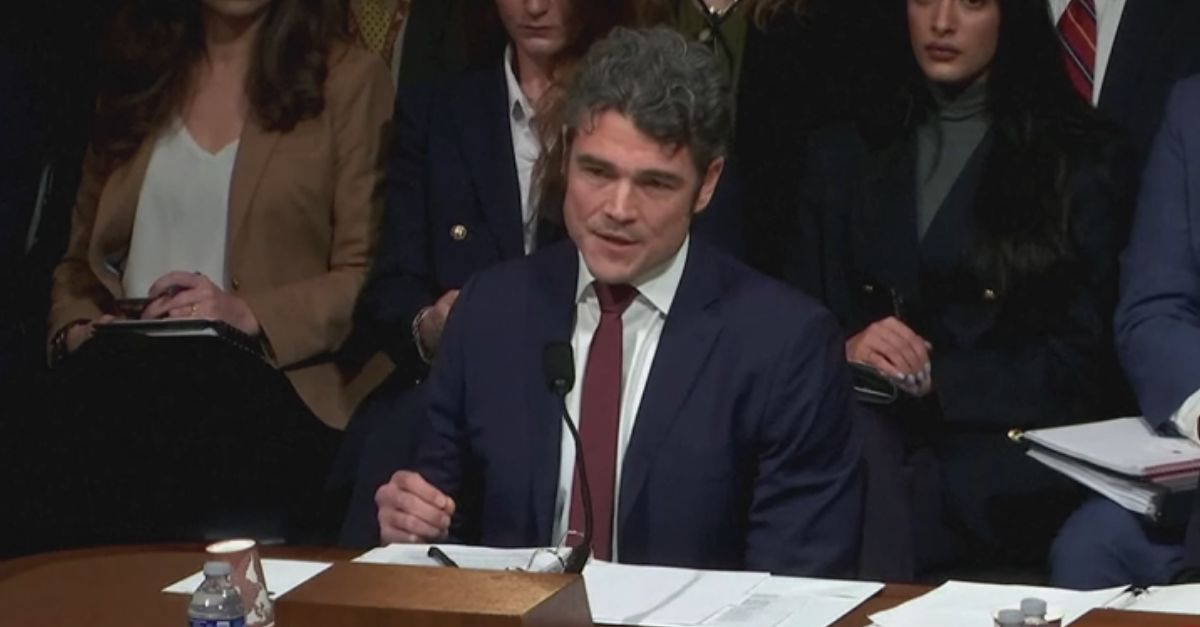
Joe Kent, director of the National Counterterrorism Center, told the House Homeland Security Committee that U.S. agencies identified about 18,000 people with suspected links to terrorist groups who entered the country in recent years. He called the group the most significant terrorism-related threat facing the United States today.
Kent said agencies uncovered these cases through ongoing security reviews. He did not say how many of the individuals were Afghan nationals. His remarks added fresh pressure on the Biden administration to defend its vetting system for refugees and other foreign nationals.
Kent also said federal officials flagged around 2,000 Afghan nationals for alleged ties to militant organizations. These individuals arrived under Operation Allies Welcome, the U.S. program that evacuated Afghans after the Taliban takeover in 2021.
The program brought about 88,000 Afghans to the United States. Kent said authorities are working with the Department of Homeland Security and the FBI to investigate the flagged cases. He noted that officials continue to review security files and monitor any signs of extremist activity.
Several lawmakers at the hearing raised concerns about the screening process for Afghan evacuees. They argued that gaps in background checks put American communities at risk. Homeland Security Secretary Kristi Noem cited a recent shooting involving Afghan national Rahmanullah Lakanwal, who is accused of killing a member of the U.S. National Guard. She said the case exposed failures in post-arrival monitoring.
Noem said Lakanwal passed initial vetting under Operation Allies Welcome but did not receive proper follow-up checks. She argued that the government must strengthen its oversight to prevent similar incidents.
After the shooting, U.S. authorities intensified their scrutiny of Afghan refugees. Officials detained several individuals, reopened thousands of security reviews, and paused visa processing for Afghan passport holders. The moves marked one of the largest security reassessments since the evacuation program began.
A senior U.S. counterterrorism official said agencies are trying to close gaps in the vetting system. He said investigators are working to verify identities and assess risks for anyone flagged for possible ties to extremist groups.
Kent warned that extremist networks continue to evolve. He said militant groups such as the Islamic State and al-Qaida have regained space in unstable regions like Afghanistan and Syria. He also said these groups use encrypted apps and social media to spread propaganda.
Kent said the United States now faces more “inspirational” attacks rather than organized, cell-based plots. In these cases, extremist figures push individuals already inside the country to act on violent messages.
The testimony has sparked intense political debate. Supporters of tighter immigration controls say the findings show deep flaws in the refugee vetting system. They argue that the Biden administration failed to protect the country from potential threats.
The administration has defended its handling of Operation Allies Welcome. Officials say the program saved lives and helped many Afghans who supported U.S. forces. They also say agencies are taking steps to strengthen background checks and improve monitoring.
National security experts note that allegations of ties to militant groups do not always mean confirmed involvement. Many cases require lengthy investigation. Still, they agree that the scale of the review underscores the need for strong screening procedures.
As lawmakers demand answers, the debate over national security, immigration policy, and the handling of Afghan evacuees is likely to continue. The testimony has placed vetting practices under a harsh spotlight and raised urgent questions about how to guard against evolving threats.