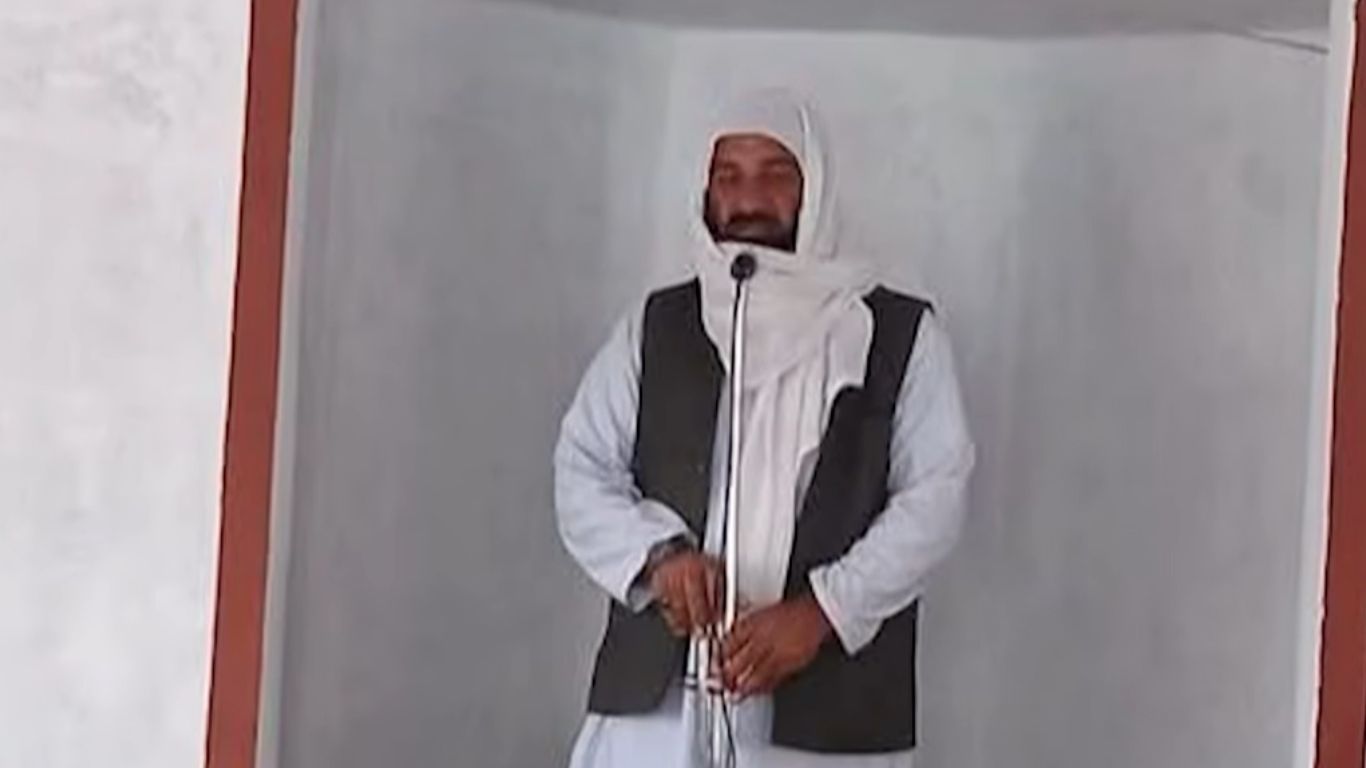
ISLAMABAD, Pakistan (Diya TV) — Sheikh Yousaf Afridi, a senior commander of the banned militant group Lashkar-e-Taiba, was shot dead by unidentified gunmen in Pakistan’s Khyber Pakhtunkhwa province. Authorities said unknown assailants opened fire on Afridi, hitting him with multiple rounds and killing him at the scene. Investigators believe the attack was a targeted assassination linked to his role in militant operations in the region.
Afridi was widely known as a close aide to wanted terrorist Hafiz Saeed and was considered a key figure in Lashkar-e-Taiba’s network in northwestern Pakistan. Security officials said he played a major role in recruiting radicals and expanding the outfit’s presence in Khyber Pakhtunkhwa. The killing marks the latest in a growing series of attacks on high-profile militants across Pakistan.
Local officials said the gunmen attacked Afridi in a planned ambush. Witnesses reported hearing several gunshots before the attackers fled the area. Police have launched an investigation but have not identified the assailants or confirmed a motive. No group has claimed responsibility for the shooting. Security analysts said Afridi’s death could have a significant impact on Lashkar-e-Taiba’s local command structure because he reportedly served as an important link between the group’s regional operatives and its senior leadership.
Lashkar-e-Taiba, also known as LeT, has long faced international scrutiny for its alleged involvement in terror activities, including the 2008 Mumbai attacks. The United States has designated the group as a terrorist organization. Afridi’s close association with Saeed has drawn attention because Saeed remains one of the most wanted figures linked to militancy in South Asia.
Afridi’s killing follows several similar incidents involving senior militant leaders in Pakistan over the past few months. Last month, unidentified gunmen targeted Lashkar-e-Taiba founding member Amir Hamza outside a television station in Lahore. Reports said Hamza, 67, survived the attack. Earlier, Masood Azhar’s elder brother, Muhammad Tahir Anwar, died under what officials described as mysterious circumstances. Anwar reportedly played an active role in the operations of Jaish-e-Mohammed.
In another major case, top Lashkar operative Abu Qatal, also known as Qatal Sindhi, was shot dead in Pakistan last year. He was considered a close aide to Saeed and was allegedly linked to the 2024 Reasi attack in Jammu and Kashmir that killed nine people and injured 33 others. Officials said these repeated killings suggest a clear pattern of targeted attacks against prominent militant figures.
The wave of attacks against terror leaders has become more visible since 2023. According to reports, at least seven militants were killed over seven months after 2023. The trend appears to have accelerated in 2026. Security sources estimate that at least 30 terrorists linked to groups such as Lashkar-e-Taiba and Hizbul Mujahideen have been targeted this year alone in cities including Lahore, Karachi, and other parts of Pakistan.
The incidents have raised concerns about internal rivalries, covert operations, and possible factional disputes within militant networks. Experts say the frequency of these attacks points to an increasingly unstable security environment for extremist groups operating in the country.
Afridi’s death is likely to deepen concerns over militancy and counterterrorism efforts in Pakistan and the wider region. Authorities have yet to release an official statement on whether the attack was carried out by rival groups, internal dissidents, or unknown external actors. The killing of senior Lashkar commanders remains a major development, especially given the group’s history and regional influence.