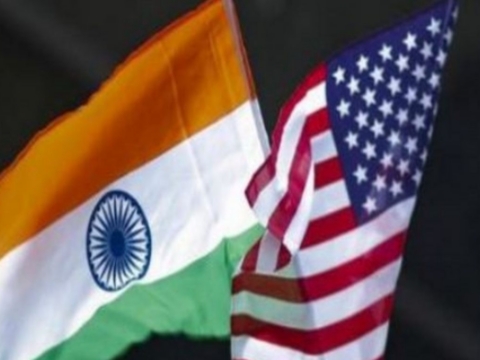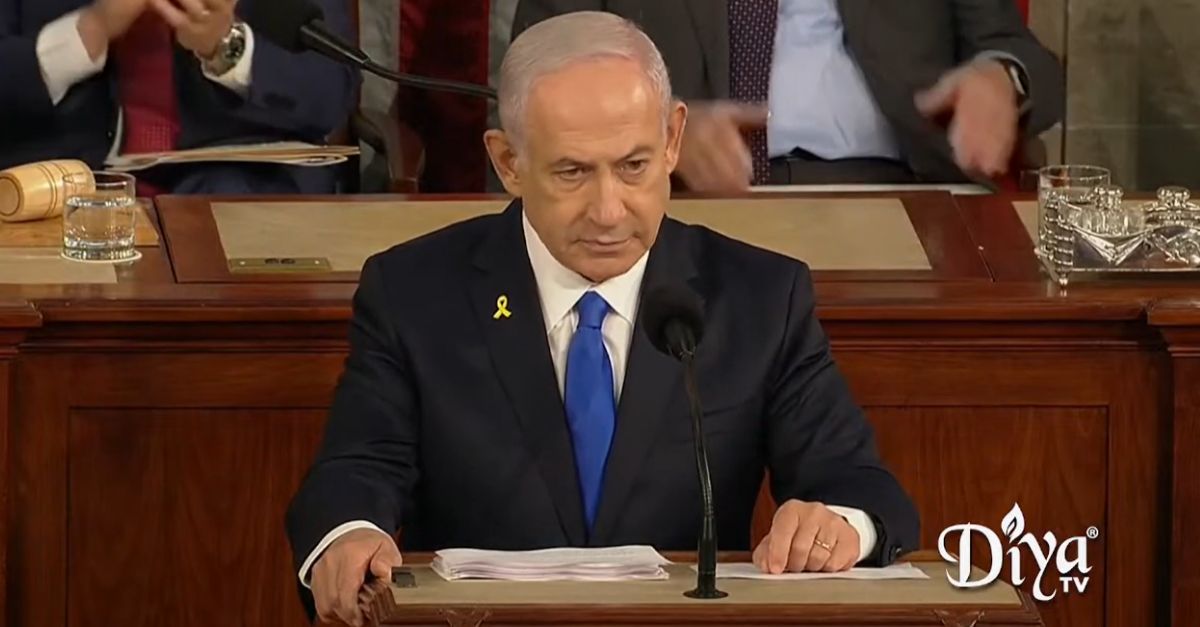
JERUSALEM, Israel (Diya TV) — Benjamin Netanyahu says Israel plans to form a new regional alliance with India, Greece, Cyprus, and the United Arab Emirates to counter what he called a growing “radical Islamic axis” in the Middle East. The Israeli prime minister outlined the plan while announcing an upcoming visit by Indian Prime Minister Narendra Modi. Netanyahu described India as a “global power” and a key partner in what he called an emerging network of like-minded nations.
Netanyahu said Israel wants to create what he described as a “hexagon” of alliances around or within the Middle East. He named India, Greece, Cyprus, and the UAE as potential partners. He also referred to other unnamed Arab, African, and Asian countries. He said these nations share common goals and view regional threats in similar ways. He framed the alliance as a response to both a “radical Shia axis” and what he called an “emerging radical Sunni axis.”
Netanyahu did not provide specific details about how the alliance would operate. He also did not outline a timeline or formal structure for the proposed bloc. The announcement comes as Israel continues its military campaign in Gaza and faces rising tensions across the region.
Netanyahu said Israel has already struck hard against what he called the “radical Shia axis.” He appeared to refer to Iran and allied groups such as Hezbollah in Lebanon. Israel and Iran exchanged direct strikes last June during a 12-day conflict. The United States also joined those operations and targeted Iranian nuclear facilities. Netanyahu has previously identified the Muslim Brotherhood as a key force in what he sees as a radical Sunni front. He did not name specific countries in his latest remarks.
The Israeli leader has pushed for stronger regional partnerships as security concerns grow. He argues that a united front can counter both state and non-state actors seen as threats.
Modi responded positively to Netanyahu’s comments. In a post on X, he said India deeply values its friendship with Israel. He described the relationship as built on trust, innovation, and a shared commitment to peace and progress. India and Israel have strengthened defense, technology, and trade ties over the past decade. The two countries often highlight cooperation in agriculture, cybersecurity, and military technology.
Netanyahu praised India’s global role. He said Israel sees India as a central partner in the new framework. The proposed alliance reflects Israel’s effort to deepen ties beyond its immediate neighbors. It also highlights India’s growing presence in Middle East diplomacy.
At the same time, Israel faces strained relations with several predominantly Sunni Muslim nations. The war in Gaza has fueled anger across the region. Recep Tayyip Erdogan, the president of Turkey, has sharply criticized Netanyahu and Israel’s military actions in Gaza. Saudi Arabia has also accused Israel of genocide and slowed talks on normalizing ties.
Prospects for normalization between Israel and Saudi Arabia appear uncertain. In recent months, Saudi officials criticized Israel’s recognition of Somaliland, a breakaway region of Somalia. They also condemned Israeli moves toward annexation in the occupied West Bank. These tensions complicate Israel’s efforts to expand regional partnerships.
Since 2020, Israel has worked to strengthen relations with Arab and Muslim-majority countries under the U.S.-backed Abraham Accords. The agreements led to formal diplomatic ties between Israel and several nations. Under that framework, Israel established closer relations with the United Arab Emirates, Bahrain, and Morocco. The accords marked a major shift in Middle East diplomacy. Netanyahu’s latest proposal appears to build on that strategy. He wants to expand cooperation beyond normalization and create a coordinated political and security bloc.
Analysts say the success of such a plan will depend on regional stability and political will.