HOUSTON, Texas (Diya TV) — A rare moment in FIFA World Cup history unfolded on June 17 as Portugal and the Democratic Republic of Congo played out a 1-1 draw in Houston, where two players of Indian origin featured on opposite sides. The match drew global attention not only for the result but also for the unique link to India through Portugal goalkeeper Diogo Costa and DR Congo midfielder Samuel Moutoussamy.
The Group K opener delivered drama on the pitch and a deeper cultural story off it. Portugal entered the match as the favorites, yet DR Congo responded with discipline and energy to secure a historic point. The African side also celebrated its first World Cup goal at this stage of the tournament, which added further significance to the result and lifted its campaign start.
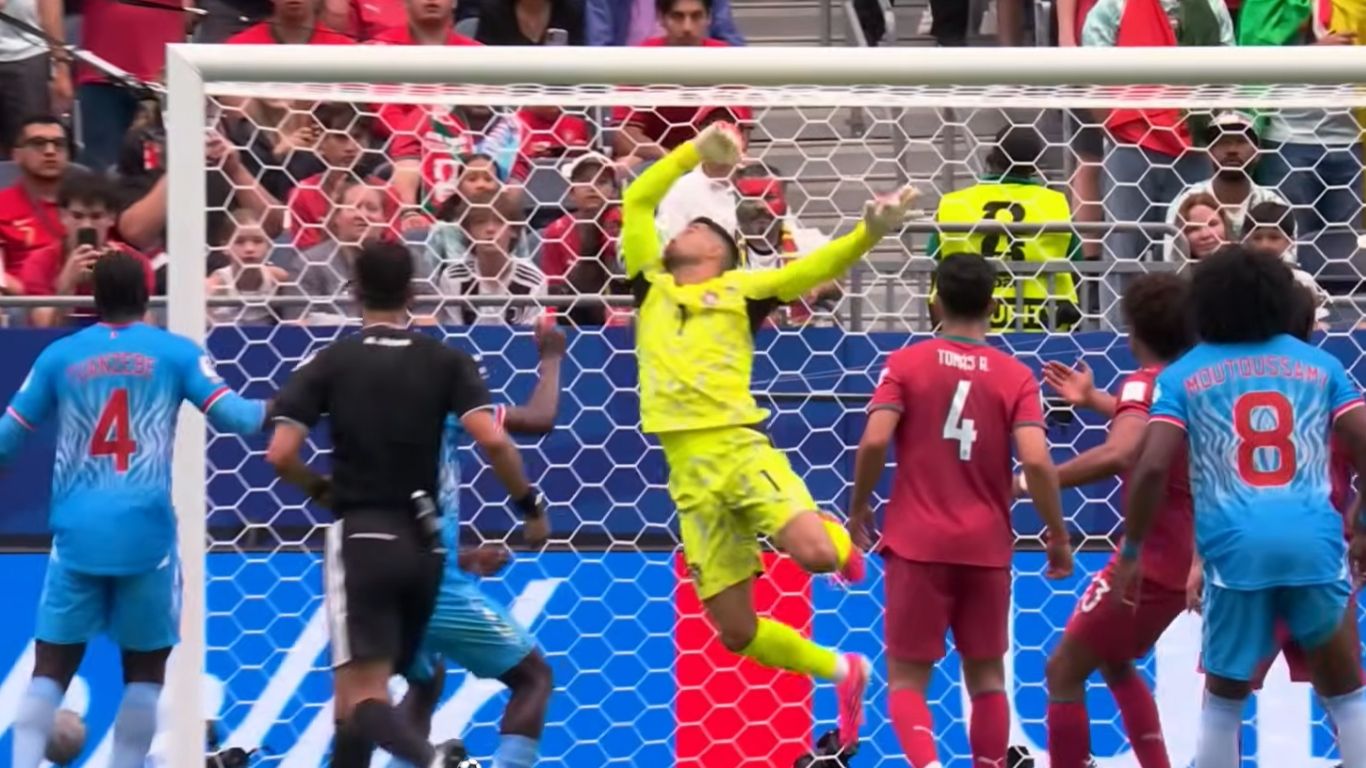
Portugal struck first when João Neves scored in the sixth minute. However, DR Congo quickly settled into rhythm and increased its attacking intent. The equaliser came just before halftime when Yoane Wissa rose above the defence and powered a header into the net. Diogo Costa could not stop the effort, even though Portugal controlled early possession. After the break, both teams pushed for a winner. Portugal created more pressure in the final third, while DR Congo stayed compact and countered with speed. In the end, neither side broke the deadlock, and the match finished 1-1 as both teams shared points in a tight contest.
The game stood out because it brought two players of Indian origin onto the same World Cup stage for the same match. Samuel Moutoussamy played for DR Congo, while Diogo Costa started in goal for Portugal. Their shared heritage highlighted the long reach of the Indian diaspora across continents, including Africa, Europe, and the Caribbean. It also showed how migration history continues to shape modern sport in unexpected ways. Moreover, the matchup added a human story to an intense football contest. Fans and analysts noted how rarely such a moment occurs at this level of international competition, especially in a World Cup setting where global identities often intersect.
Samuel Moutoussamy was born on August 12, 1996, in Paris. He grew up in a multicultural family with a Congolese mother and an Indo-Guadeloupean father of Tamil descent. His paternal lineage traces back to South Indian indentured labourers who migrated to the Caribbean in the late 19th century.
Moutoussamy plays as a defensive midfielder and has represented DR Congo since 2019. At the club level, he plays for Greek side Atromitos. Against Portugal, he did not record a goal or assist, but he delivered a solid midfield display. He completed 84% of his passes and made two key tackles, which helped DR Congo stay organized under pressure and compete effectively in midfield battles.
Diogo Costa also carries a link to India through his paternal grandfather, Augusto da Silva Costa, who was born in Aldona, Goa, during the Portuguese colonial period. Costa was born on September 19, 1999, in Rothrist, Switzerland, and rose through the ranks of Portuguese football.
He now plays as the captain of FC Porto and has built a strong reputation as one of Europe’s top goalkeepers. He represented Portugal at the 2022 FIFA World Cup and UEFA Euro 2024, and he also played a key role in the team’s UEFA Nations League title win in 2025. Against DR Congo, he started in goal and conceded once when Wissa’s header beat him just before halftime. Even so, he stayed composed and continued to organize his back line.
This Portugal vs DR Congo draw will stand out for more than just the scoreline. It added a rare cultural layer to a World Cup match and highlighted how global football connects distant histories and identities. As the tournament moves forward, moments like this will continue to shape its broader narrative. The presence of Samuel Moutoussamy and Diogo Costa created a unique milestone for Indian-origin representation on football’s biggest stage. Ultimately, the 1-1 result reflected DR Congo’s resilience and Portugal’s missed chances, while also producing a story that fans will remember long after the final whistle.